10/23/2026
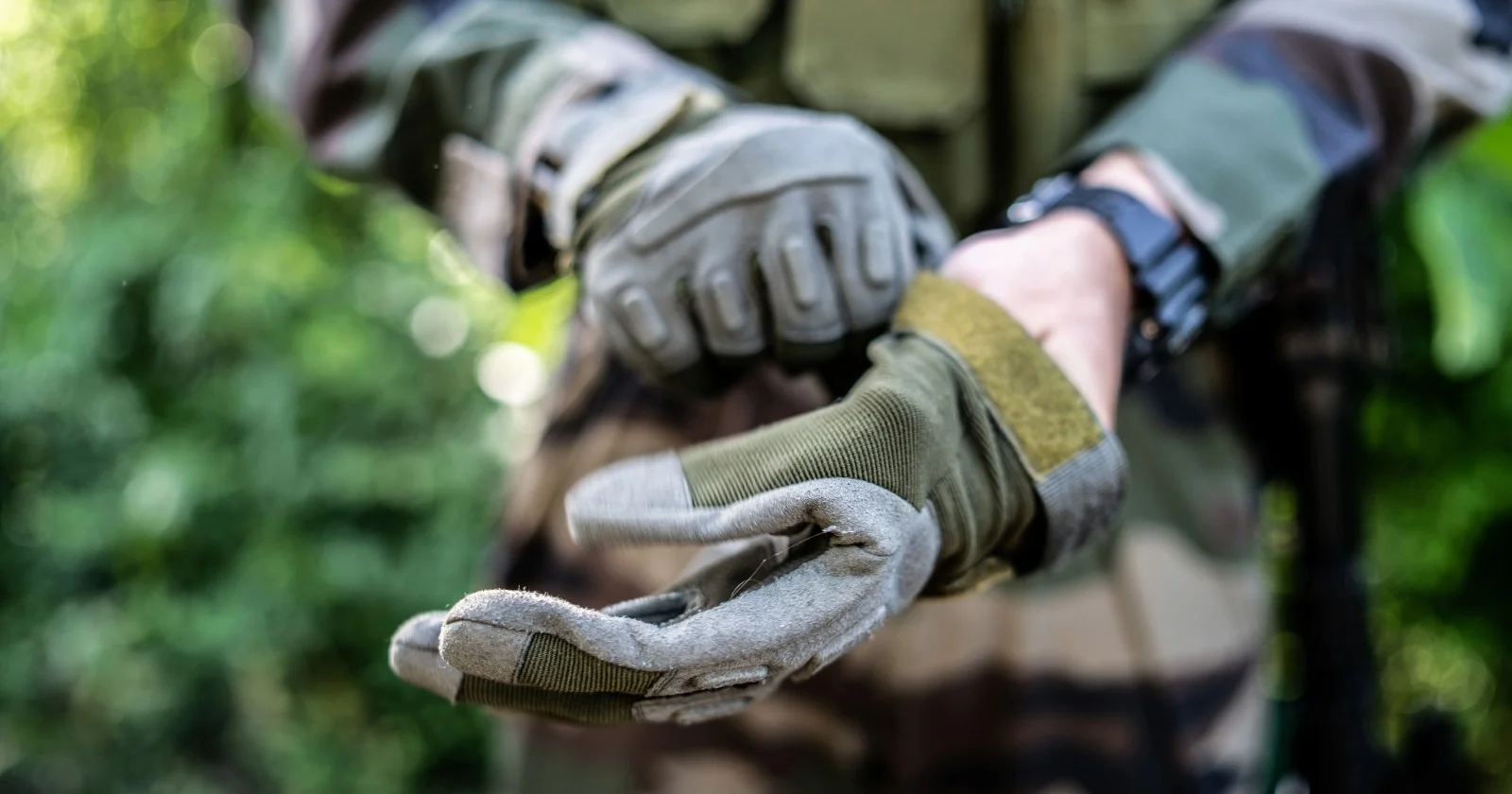
Two months after Omaha Public Schools had police stop carrying electric shock gloves, Millard Public Schools is keeping them, and parents there are pushing back. Officers in the Omaha area have used the gloves on students at least five times since 2022, CNN reported.
 Mary Johnson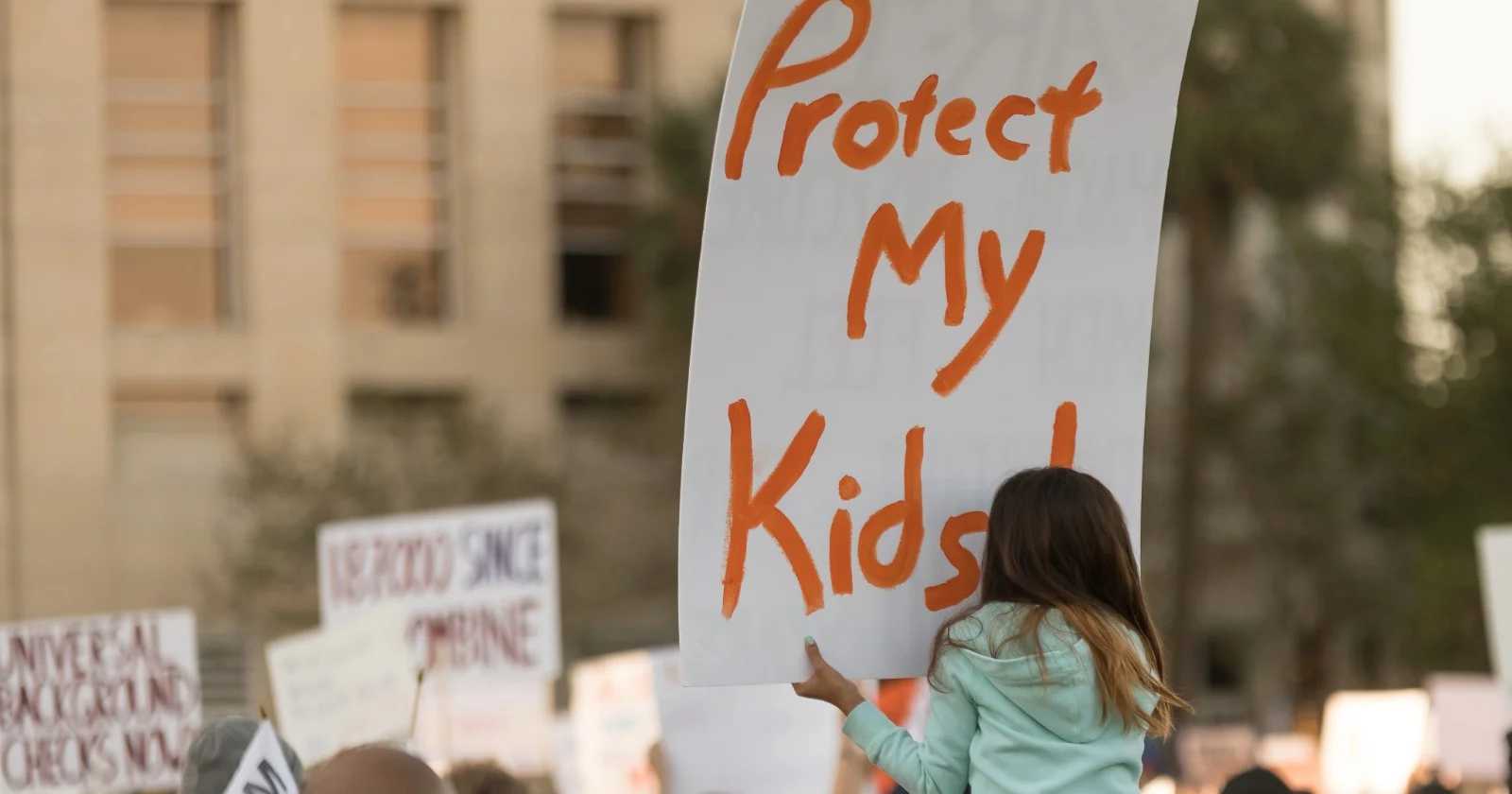
10/16/2026
A 16-year-old killed three children and a teacher at Silver Rail Elementary School in Bend, Oregon, before a community member followed him inside and stopped him. Federal research on school attacks points to steps families can take, starting with how guns are stored at home.
Mary Johnson
10/16/2026
Texas hands out one diploma, but three moving parts trip up families: a 22-credit floor, an endorsement almost everyone has to pick, and five STAAR exams you have to pass. Here is each piece with the real numbers.
 Kate Carter
10/11/2026
Forty-two percent of U.S. public schools offered high-dosage tutoring in June 2025, the type school leaders rate highest. Randomized studies find large gains when tutoring is frequent, in small groups, and held during the school day, though the gains shrink as programs grow.
 Arthur Chen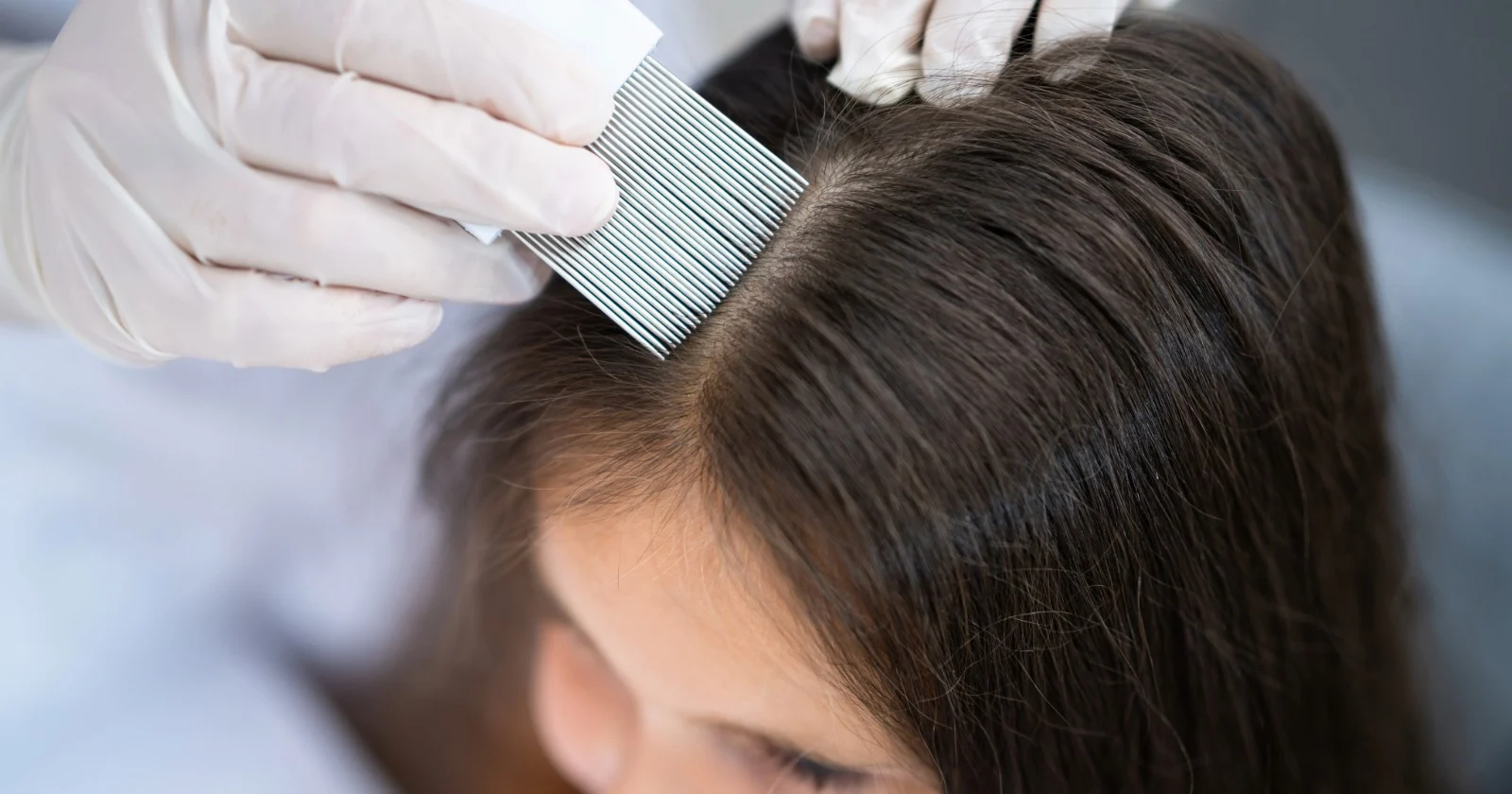
10/8/2026
An estimated 6 million to 12 million head lice infestations happen each year among U.S. children ages 3 to 11, according to the CDC. Pediatricians, the CDC, and school nurses all say those kids should stay in class and return once treatment starts.
Mary Johnson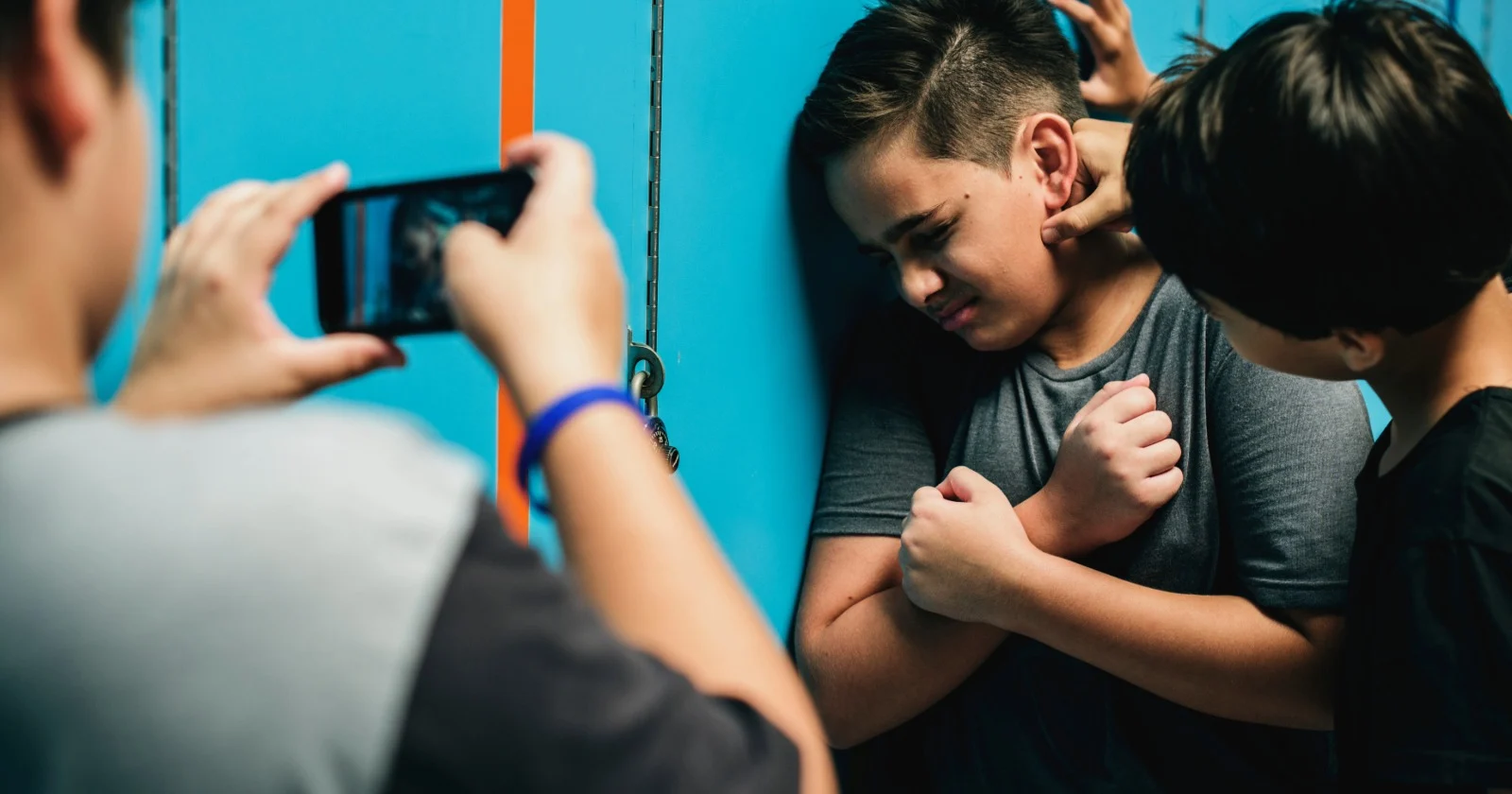
10/2/2026
About 1 in 5 students ages 12 to 18 say they were bullied at school, and only 44% of them told a teacher or another adult there. These are the warning signs federal guidance tells parents to look for, and who to contact when you see them.
Kate Carter
9/27/2026
About one in three teens has used an AI companion for friendship, emotional support, or other social reasons, one national survey found. A newer Pew survey puts teens who get emotional support or advice from chatbots at 12%. Psychologists quoted by the American Psychological Association worry about what the bots are built to do.
Kate Carter
9/23/2026
Your address is assigned to a specific public school for each grade level, and the listing site's schools tab is the wrong place to check it. Here is how zoning actually works, the three ways to find your real assigned schools, and why the assigned school is not the end of the story.
Mary Johnson
9/19/2026
Parents escalate to the wrong person constantly, usually the superintendent, and the complaint comes back down to the person they skipped. The chain is short and the divisions are real. A board cannot fix your child's grade, and a principal cannot change the calendar.
Mary Johnson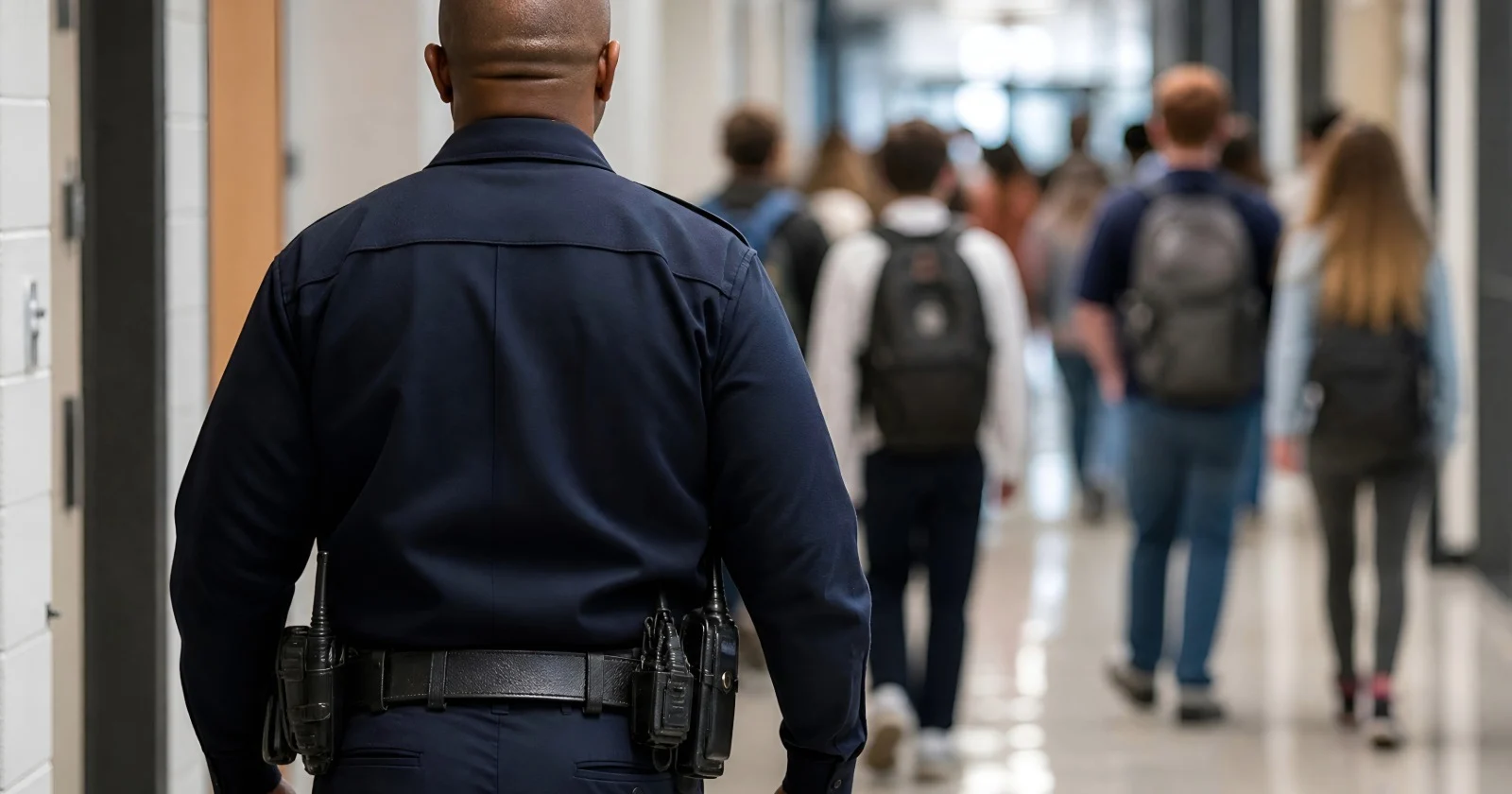
9/16/2026
More than half of US public schools now have a sworn police officer on site at least weekly, but most families cannot say what that officer is allowed to do, who employs them, or how they differ from a security guard. Here is the plain version, and the questions worth asking your school.
Mary Johnson
9/15/2026
Most states land between 20 and 24 credits, but the number on your child's transcript is set by the district, not the state, and the two are rarely the same. Here is what a credit actually is, what states require, and why the district number is the one that counts.
Kate Carter
9/14/2026
One in ten public school students carries the English learner label, and most families first encounter it through a form they filled out at registration. The classification is not a judgment about intelligence or immigration status. It is a legal trigger for services the school must provide, and a status you can contest.
Arthur Chen
9/13/2026
In more than half the states, a third grader who fails the reading test can be held back whether or not the parents agree. The research on whether that works is more interesting than either side of the argument admits: the gains are real, and they mostly fade.
Kate Carter
9/12/2026
The recommended caseload for a school counselor is 250 students. The national average is 372, and only four states meet the standard. High schools have quietly gotten there. Elementary and middle schools are running caseloads near 700.
Mary Johnson
9/11/2026
Nearly every state requires districts to offer kindergarten in some form. Far fewer require a full day of it, which means two families 20 minutes apart can face completely different childcare math for the same five-year-old. Here is how the rules break down and what the research actually shows.
Kate Carter
9/10/2026
Federal law gives you the right to see everything in your child's education file, to challenge what is wrong in it, and to stop the school from publishing basic details about them. Most families never use any of it, because the annual notice explaining these rights arrives in a stack of first-week paperwork nobody reads.
Mary Johnson
9/9/2026
An IEP meeting is the one hour a year when a school's plan for your child gets written down and signed. Parents walk in outnumbered and often unprepared. Here is what the meeting is for, what you are entitled to before it, and how to leave with a plan you can hold the school to.
Kate Carter
9/8/2026
A magnet school is a free public school run by the district, built around a theme, that draws students from across the district instead of one neighborhood. Here is where they came from, how they differ from charters, and what the selective ones require.
Arthur Chen
9/4/2026
Nearly three in four parents planned to use an AI tool somewhere in this year's school shopping, up from a channel that barely existed a year ago. Retailers say those shoppers now buy more often than people arriving from search. Here is what the surveys show, where the tools help, and where they still get prices wrong.
Kate Carter
9/4/2026
In 15 states a student can legally leave school at 16. In 26 states and Washington, D.C., the law requires attendance until 18, and Texas goes to 19. The start age varies too, from 5 to 8. Here is the full state-by-state picture, and why the end age is not the same as graduation.
Kate Carter