10/23/2026
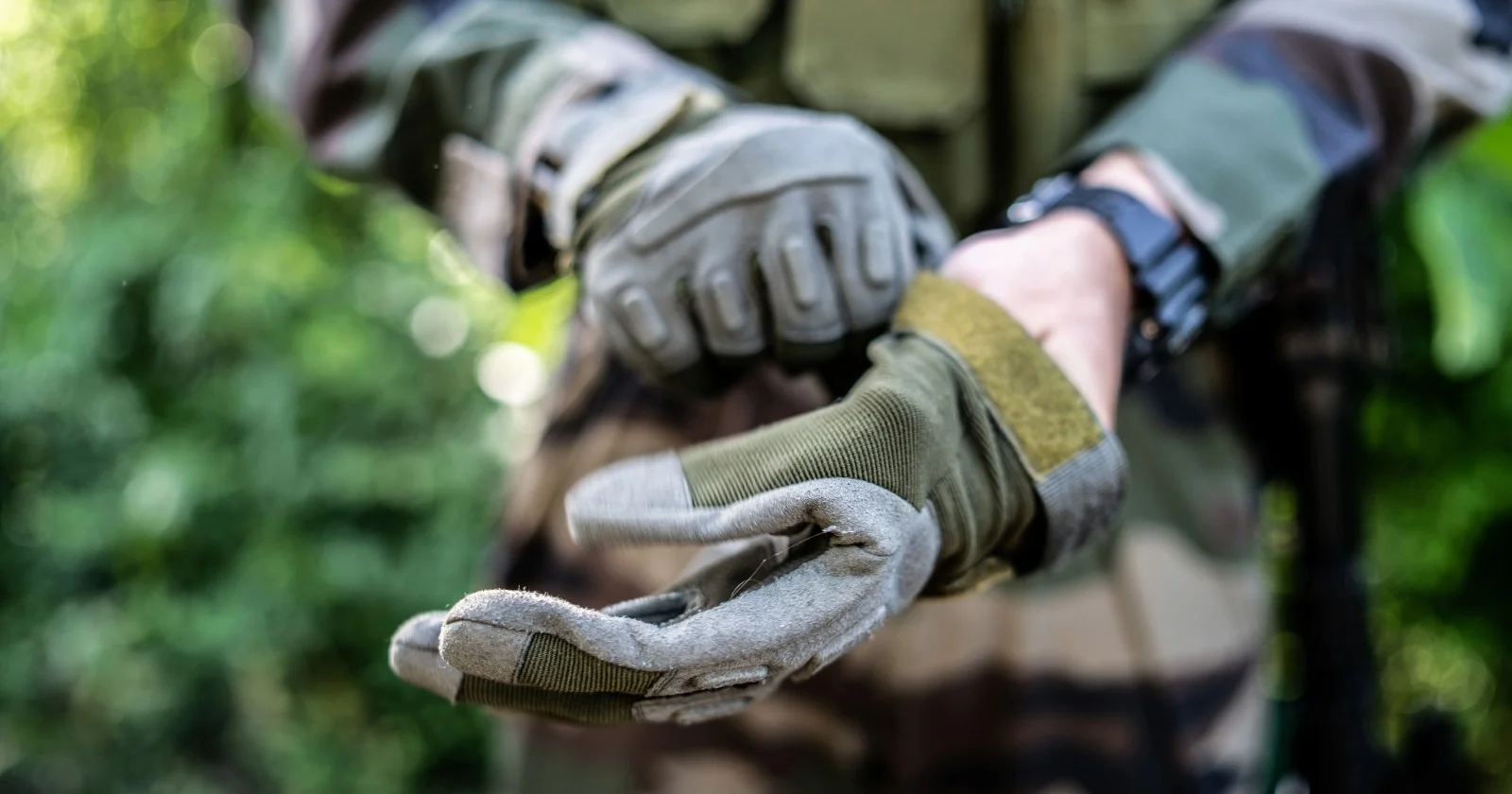
Two months after Omaha Public Schools had police stop carrying electric shock gloves, Millard Public Schools is keeping them, and parents there are pushing back. Officers in the Omaha area have used the gloves on students at least five times since 2022, CNN reported.

10/23/2026
In 2024-25, 309 operating public schools had Montessori in their name, enrolling 98,480 students. A national count puts the total at 596 public Montessori schools and programs, many inside schools with ordinary names, and a 2025 lottery study found reading and memory gains by kindergarten.
10/22/2026
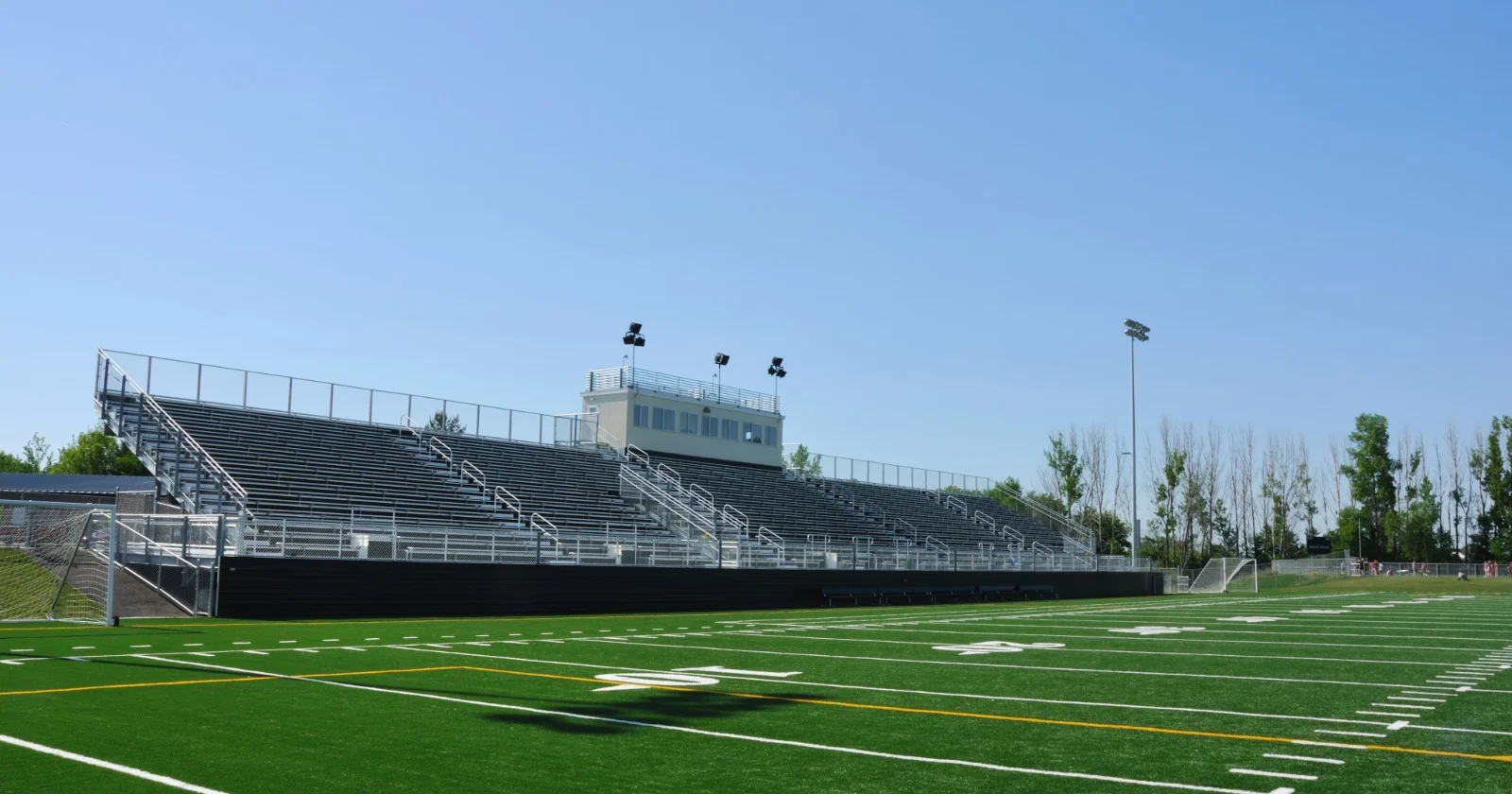
Quabbin Regional High School in Barre, Massachusetts, will forfeit its next two varsity football games after injuries left fewer than 20 healthy players on the roster. Earlier this month, Millis High School canceled a game when injuries left about 15 players.

10/21/2026
Police in Corona, California, arrested two 15-year-old girls on suspicion of conspiracy to commit murder over an alleged plan to attack Corona High School. The FBI flagged their social media messages, and police said no weapons were found.
10/19/2026
Arizona diesel averaged $6.37 a gallon on October 19, up from $3.59 a year earlier, according to AAA. Deer Valley, Gilbert, and Cave Creek schools are adding money to budgets, combining routes, and charging more for field trips.
10/17/2026
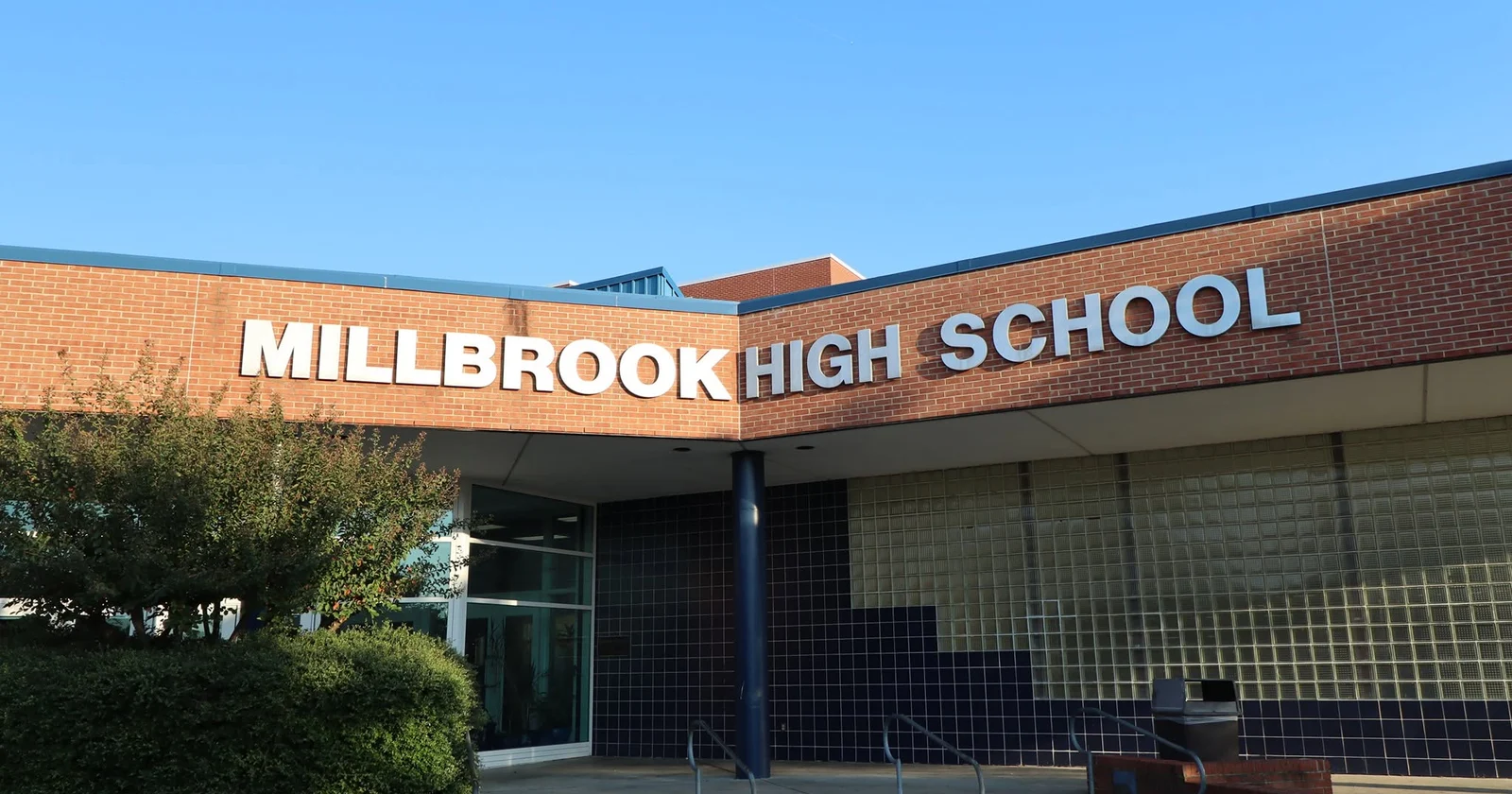
A security officer at Millbrook Magnet High School in Raleigh went into labor at school on Thursday morning, and Principal Monica Sawyer and bookkeeper K'Mani Freeman helped deliver a baby girl within minutes. Mom and baby are doing well, the principal said.
10/16/2026
A 16-year-old killed three children and a teacher at Silver Rail Elementary School in Bend, Oregon, before a community member followed him inside and stopped him. Federal research on school attacks points to steps families can take, starting with how guns are stored at home.
10/15/2026
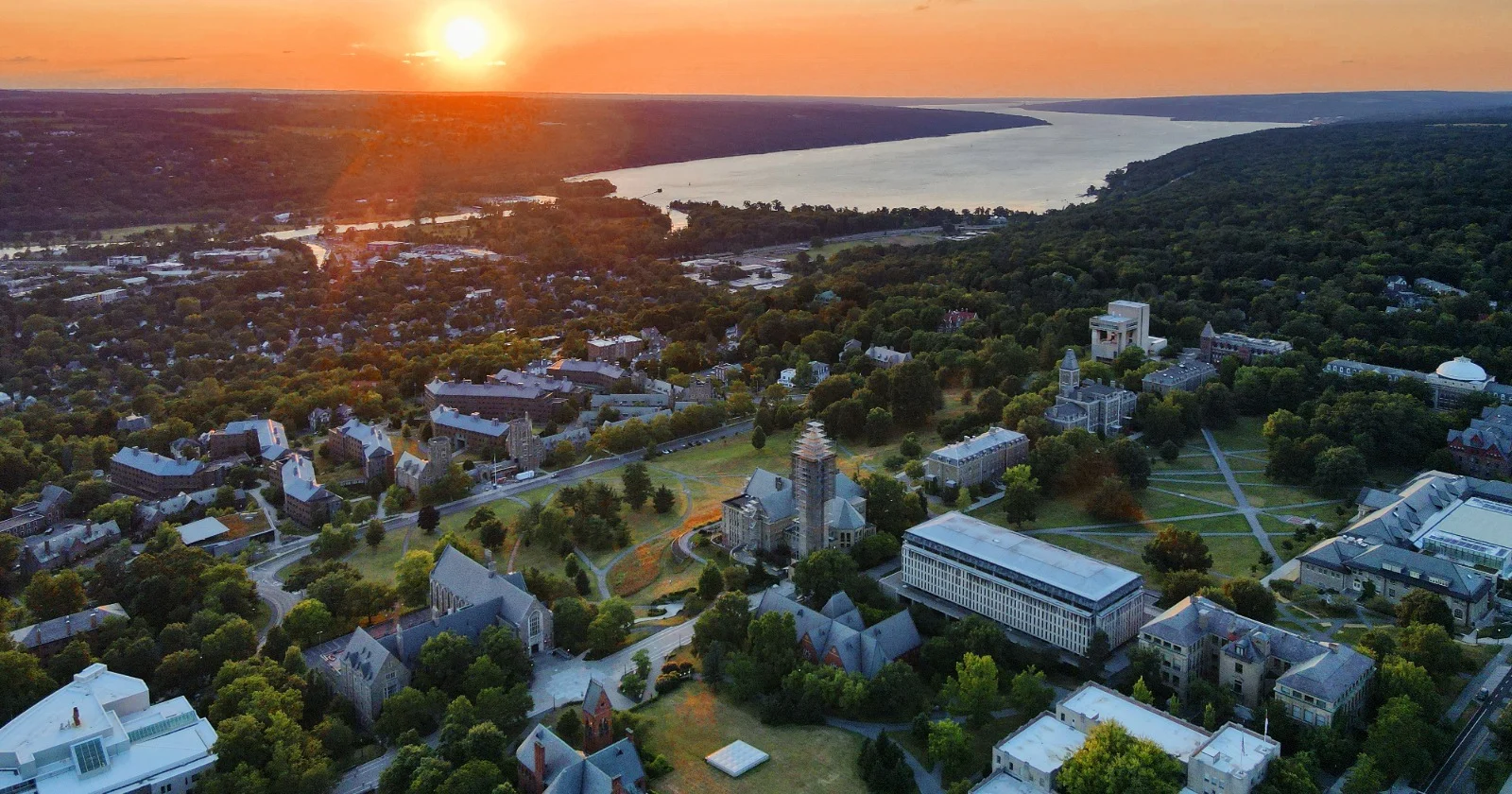
Some high school seniors are taking Cornell off their college lists after a former student sued the university over an alleged 2024 gang rape at a fraternity house, CNN reported. Cornell has apologized, suspended fraternity parties, and written to high school counselors before its November 1 early decision deadline.

10/15/2026
New York still runs on 22 credits and the Regents exams, but the exam requirement is being dismantled. The last Regents tests required to graduate come in August 2027, three diplomas collapse into one, and a new framework takes over. Here is where it stands.
10/14/2026
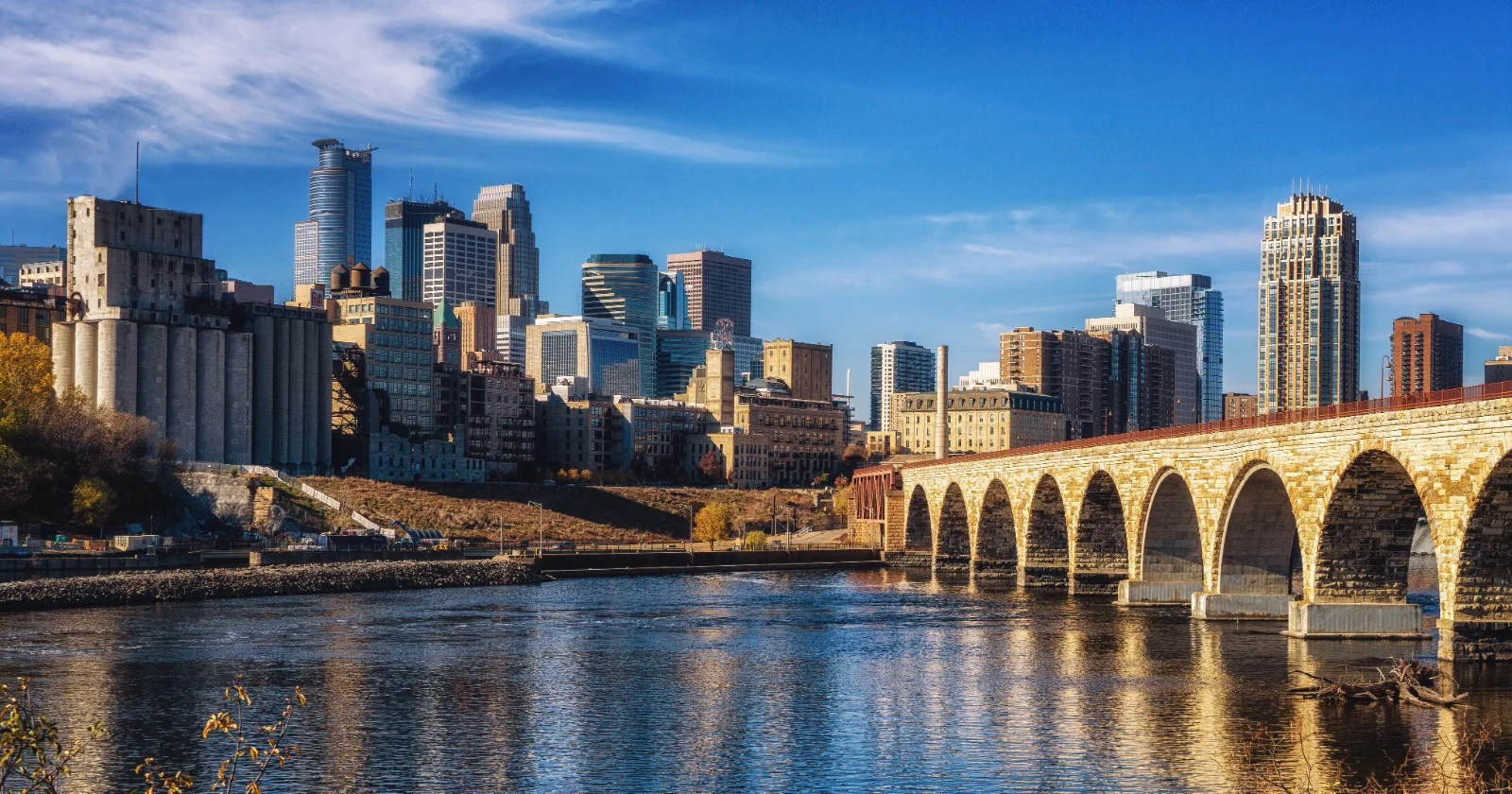
Minneapolis Public Schools will not close any schools through the 2027-28 school year after the superintendent reversed course and the board passed a resolution. The district had proposed closing or merging up to 16 schools as enrollment fell from 36,357 students in 2017-18 to 29,928 in 2024-25.
10/13/2026
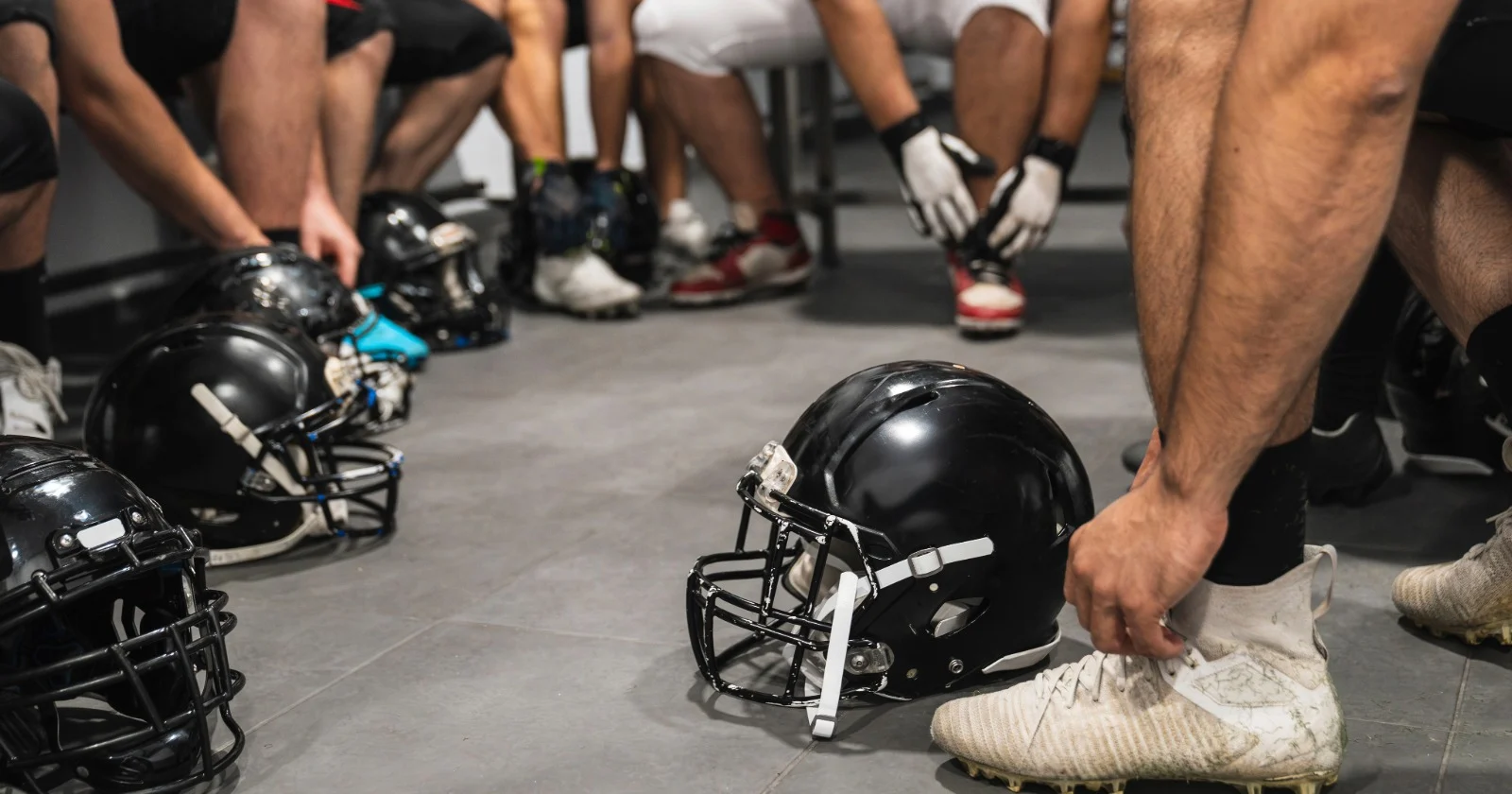
Three Manheim Central High School students are charged after prosecutors say they made Black teammates pay a "Black tax" to enter the football locker room and assaulted a 16-year-old. A teacher is charged with failing to report the abuse after two students told him about it in April.
10/13/2026
About 3% of U.S. public schools ran on a 12-month calendar in 2017-18, down from 5.5% in 2007-08. Most keep about the same number of school days and shorten summer, and studies of schools that switched found little or no gain in test scores.

10/12/2026
Two proposed amendments to Alabama's constitution would make every local school board adopt policies on the daily Pledge of Allegiance, student-led prayer, and a weekly broadcast of the national anthem. Voters decide in November, and one constitutional scholar says the prayer piece could run into Supreme Court precedent.
10/9/2026
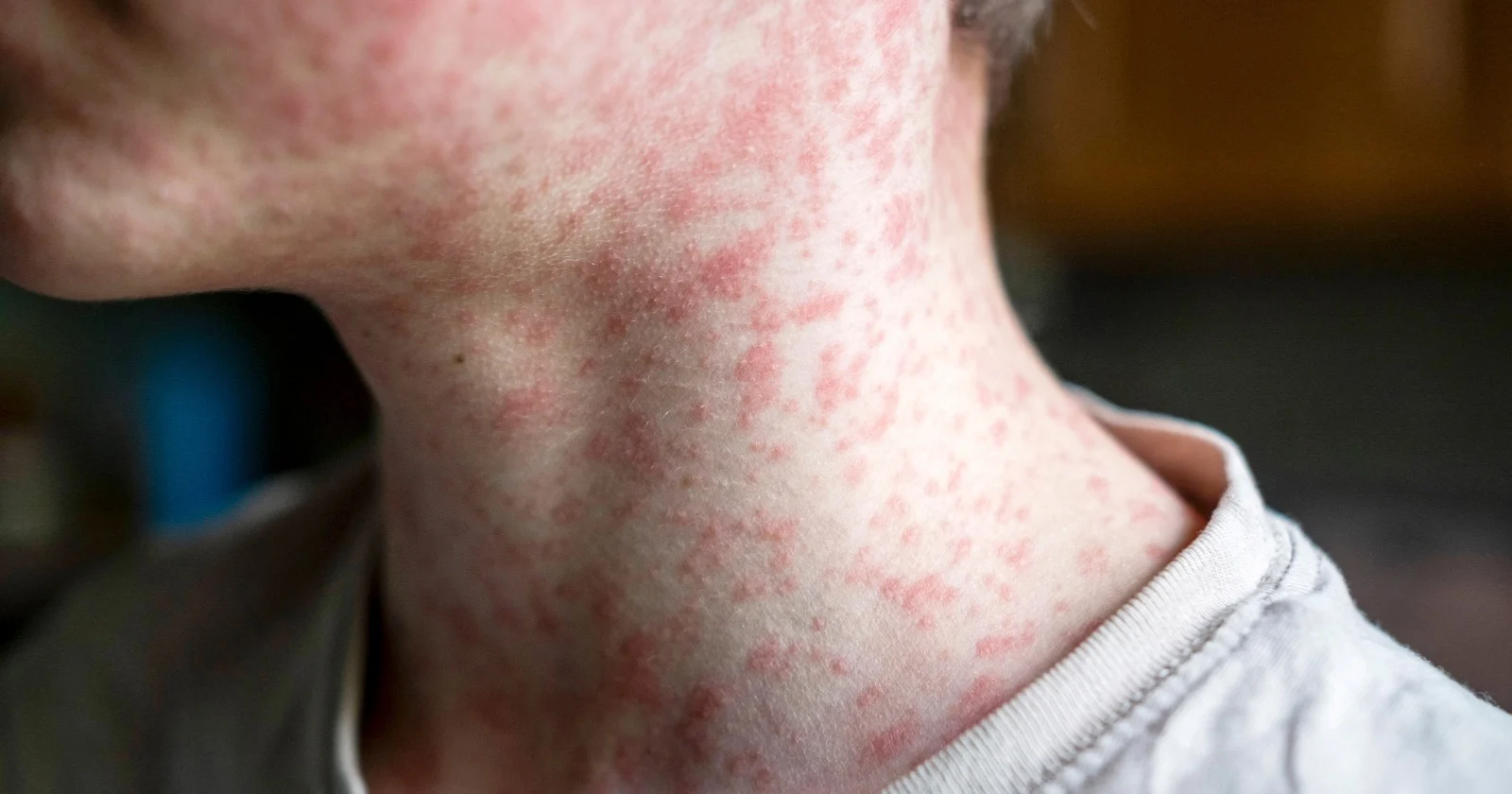
Oxford Area High School in Chester County, Pennsylvania, closed on October 9 after a confirmed measles case in the school community. Unvaccinated students and staff must stay away for 21 days after a possible exposure, as Pennsylvania's outbreak tops 1,000 cases.
10/9/2026
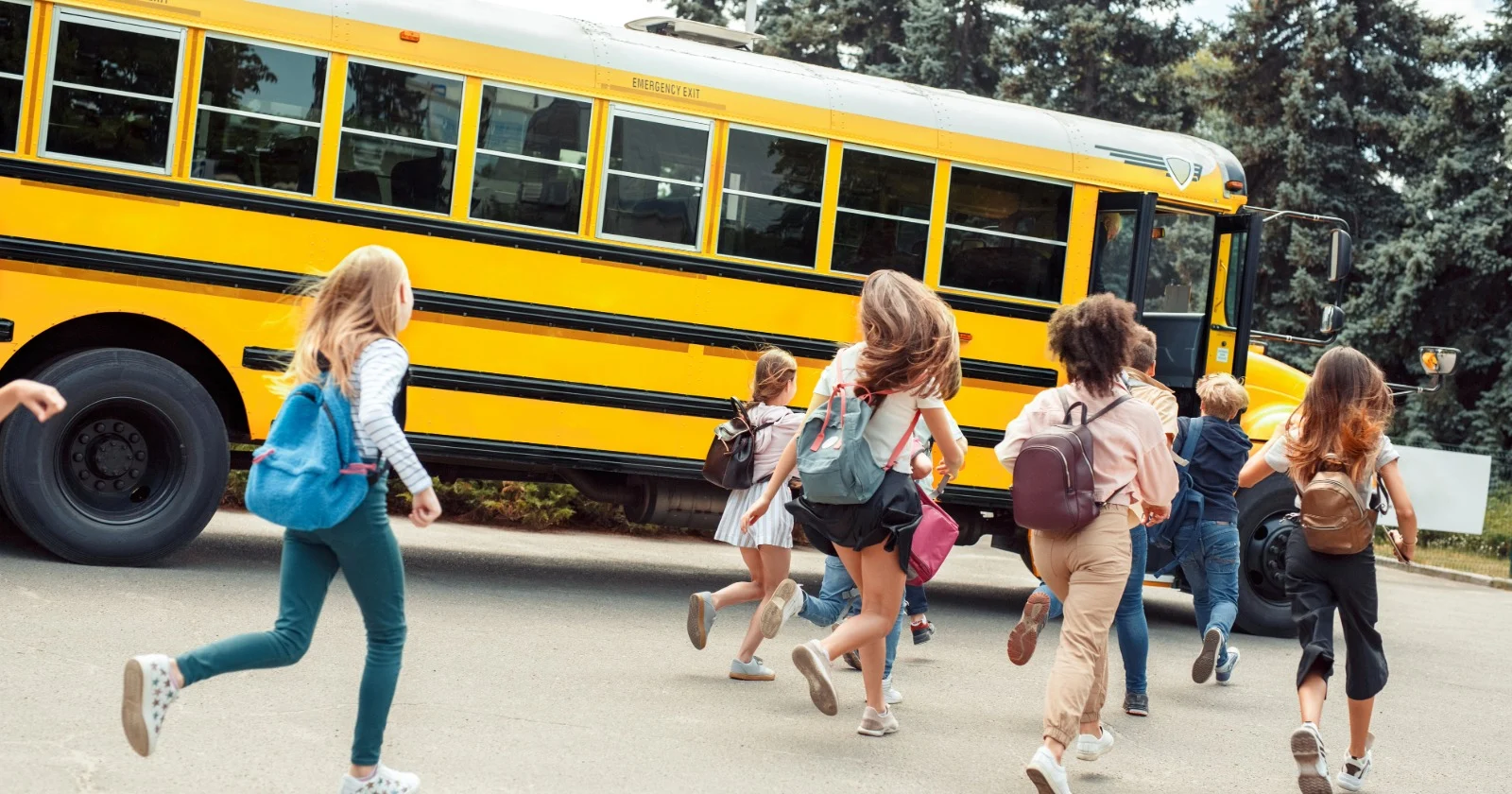
Nine states require passenger seat belts on school buses, and Arkansas and Louisiana tie their requirements to funding. Federal rules still require belts only on small buses, while the NTSB says lap/shoulder belts give riders the most protection in every type of crash.
10/8/2026
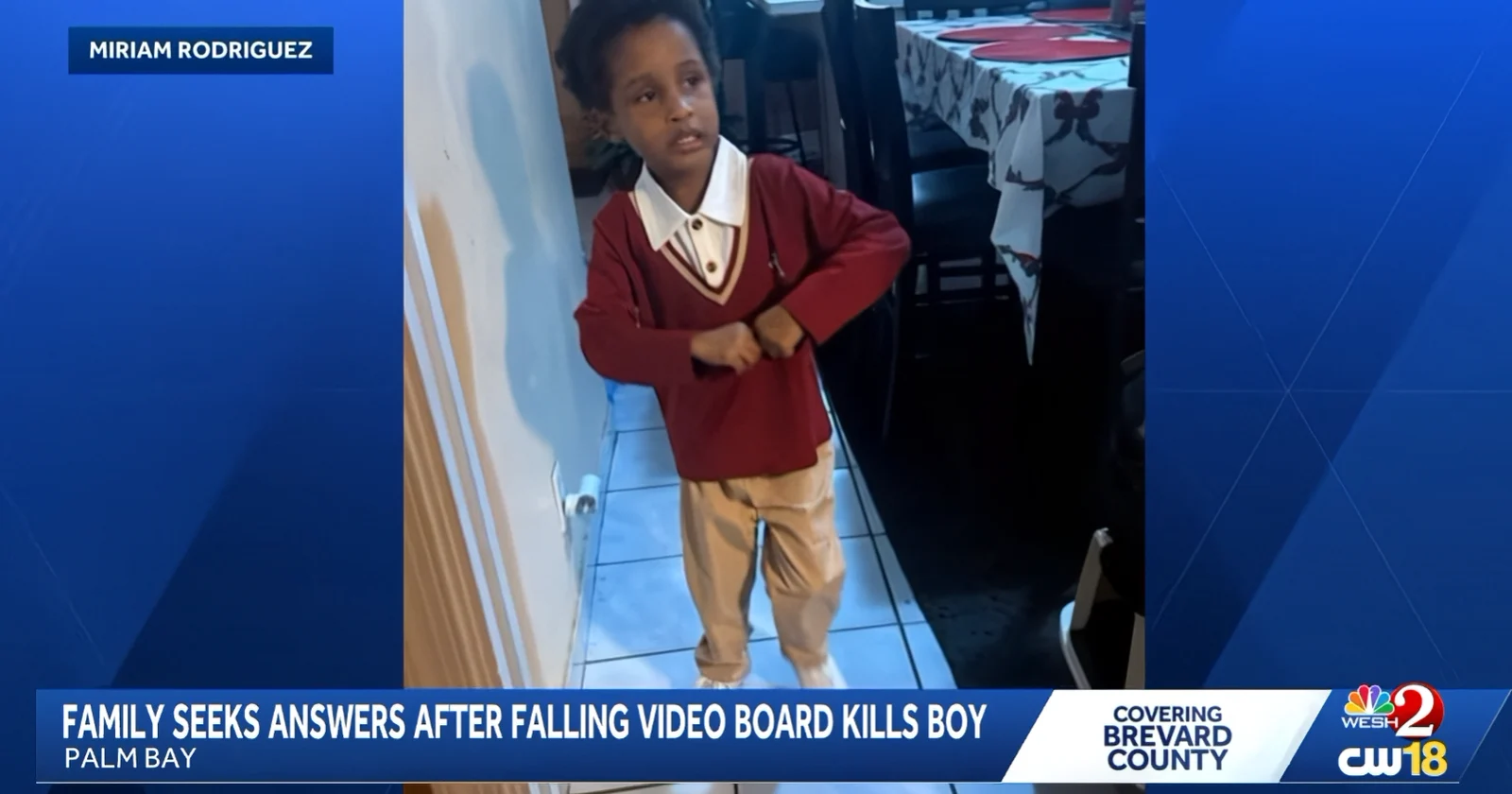
Bellamy Dawkins-Morris, 5, died after a 120-pound video display board fell on him at Riviera Elementary School in Palm Bay, Florida. Police called it a tragic accident on the surface and are investigating, while his family questions whether the board was secured and whether he was supervised.
10/8/2026
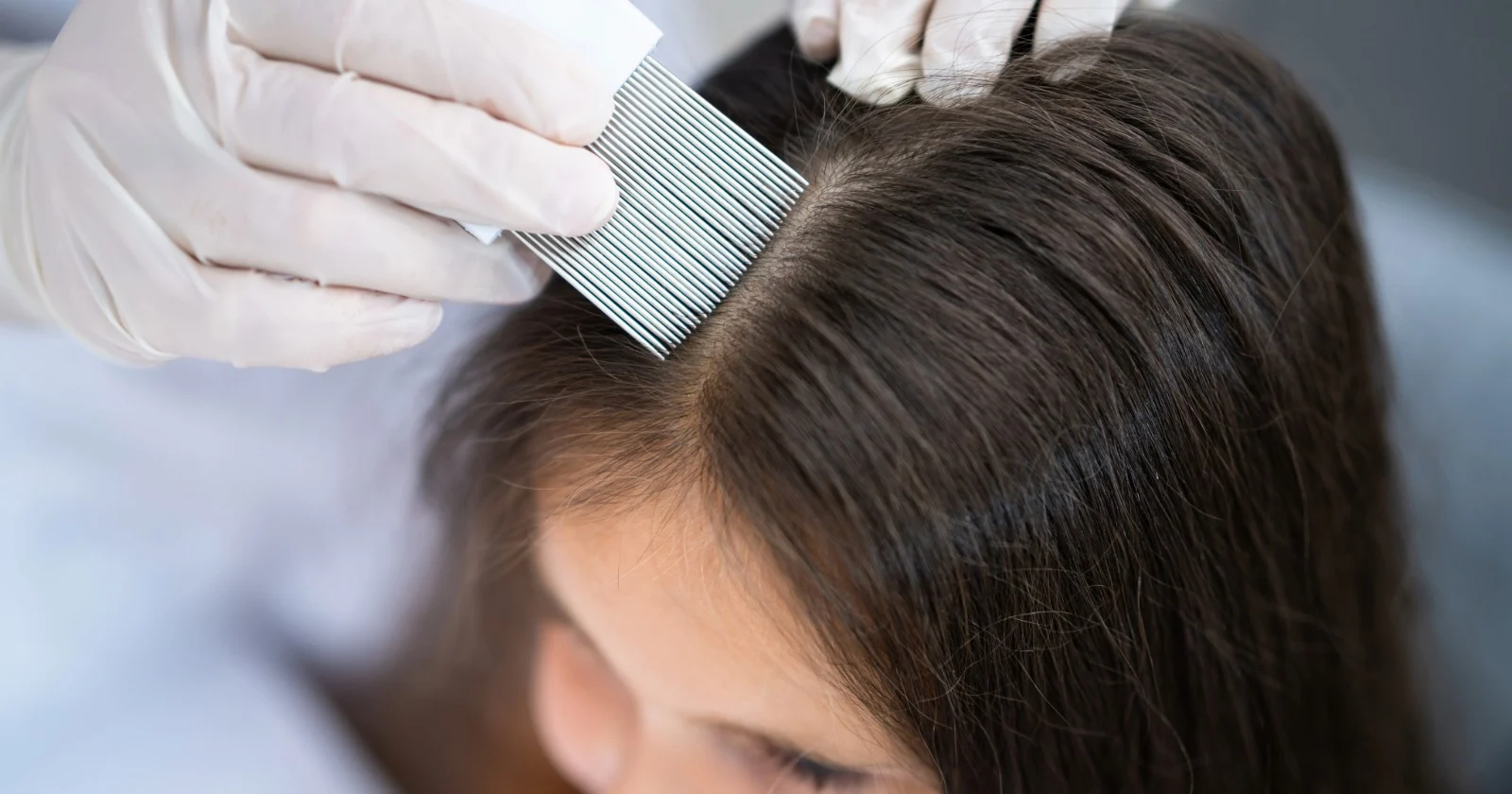
An estimated 6 million to 12 million head lice infestations happen each year among U.S. children ages 3 to 11, according to the CDC. Pediatricians, the CDC, and school nurses all say those kids should stay in class and return once treatment starts.

10/6/2026
Portland Public Schools released two plans that would close 14 or 11 schools starting in fall 2027, plus a third option to change nothing. The district's own schools enrolled 40,589 students in 2024-25, down 10.3% from 2017-18. The board is expected to vote in December.

10/5/2026
PEN America counted 11,982 book bans in U.S. public schools in the 2025-26 school year, the most since it started tracking in 2021. More than 8,000 were in Texas, where a 2025 law set new rules for library books, and some districts used AI to pick titles.

10/5/2026
BASIS Chandler posted the highest 2025 state test scores of any Arizona public high school with at least 500 students. Arizona College Prep in Chandler Unified was the top traditional district school. Here are the top 25.

10/3/2026
BASIS Scottsdale, Sequoya Elementary, Cocopah Middle School, and Desert Mountain High School posted the top 2025 state test scores among Scottsdale's public schools. Here is every Scottsdale-area public school with scores, by level.

10/1/2026
Treasury and the IRS released proposed rules for the federal Education Freedom Tax Credit, which starts January 1, 2027. Donors could cut their federal taxes by up to $1,700 for gifts to scholarship groups in the 30 states that have opted in. Critics say most of the money will flow to private school families.
9/30/2026
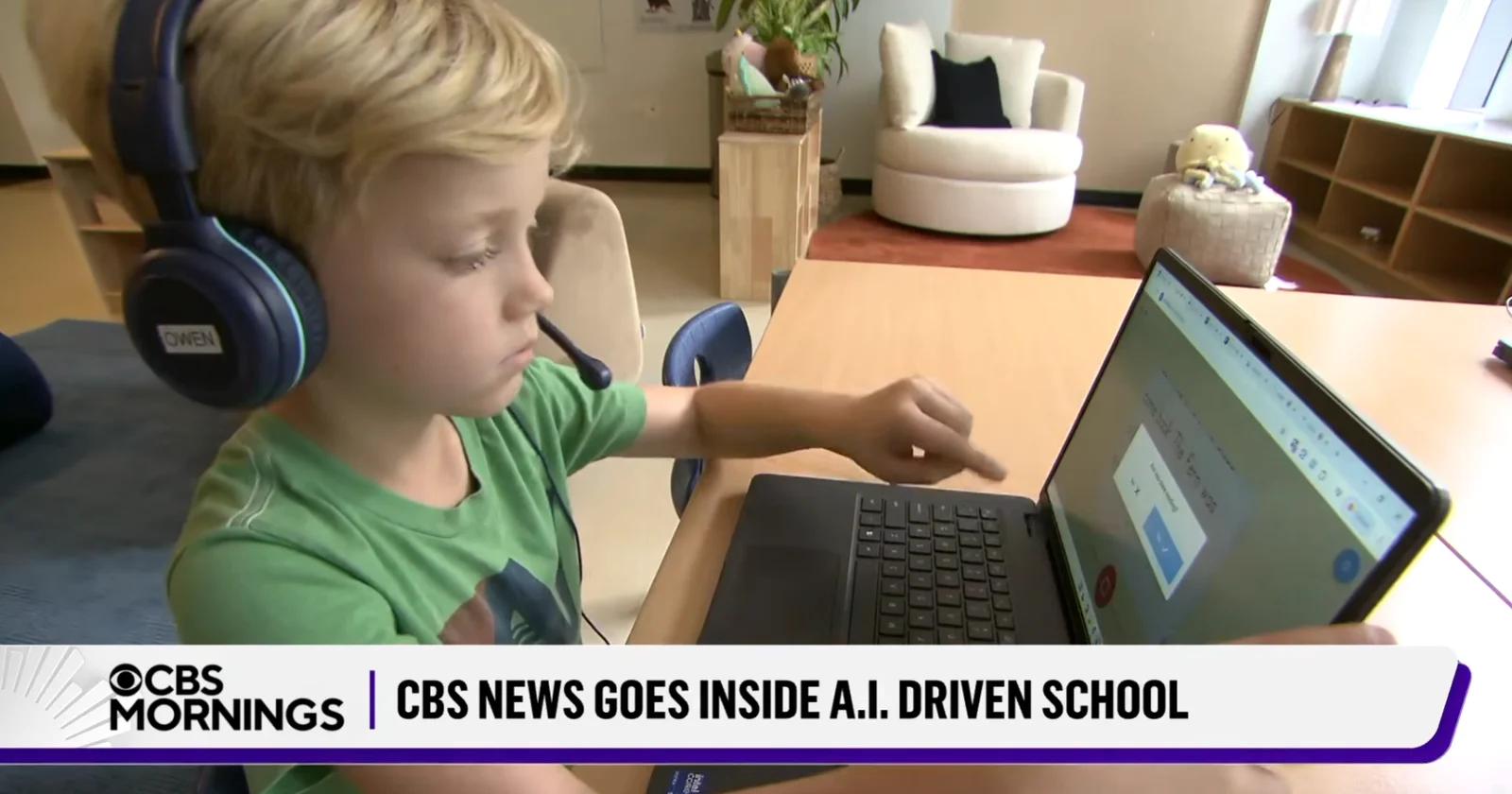
Alpha Chicago, a private school where students learn core subjects from AI software in about two hours a day, opened September 8 in the Loop. Adults called guides replace teachers. Tuition is $55,000.
9/28/2026
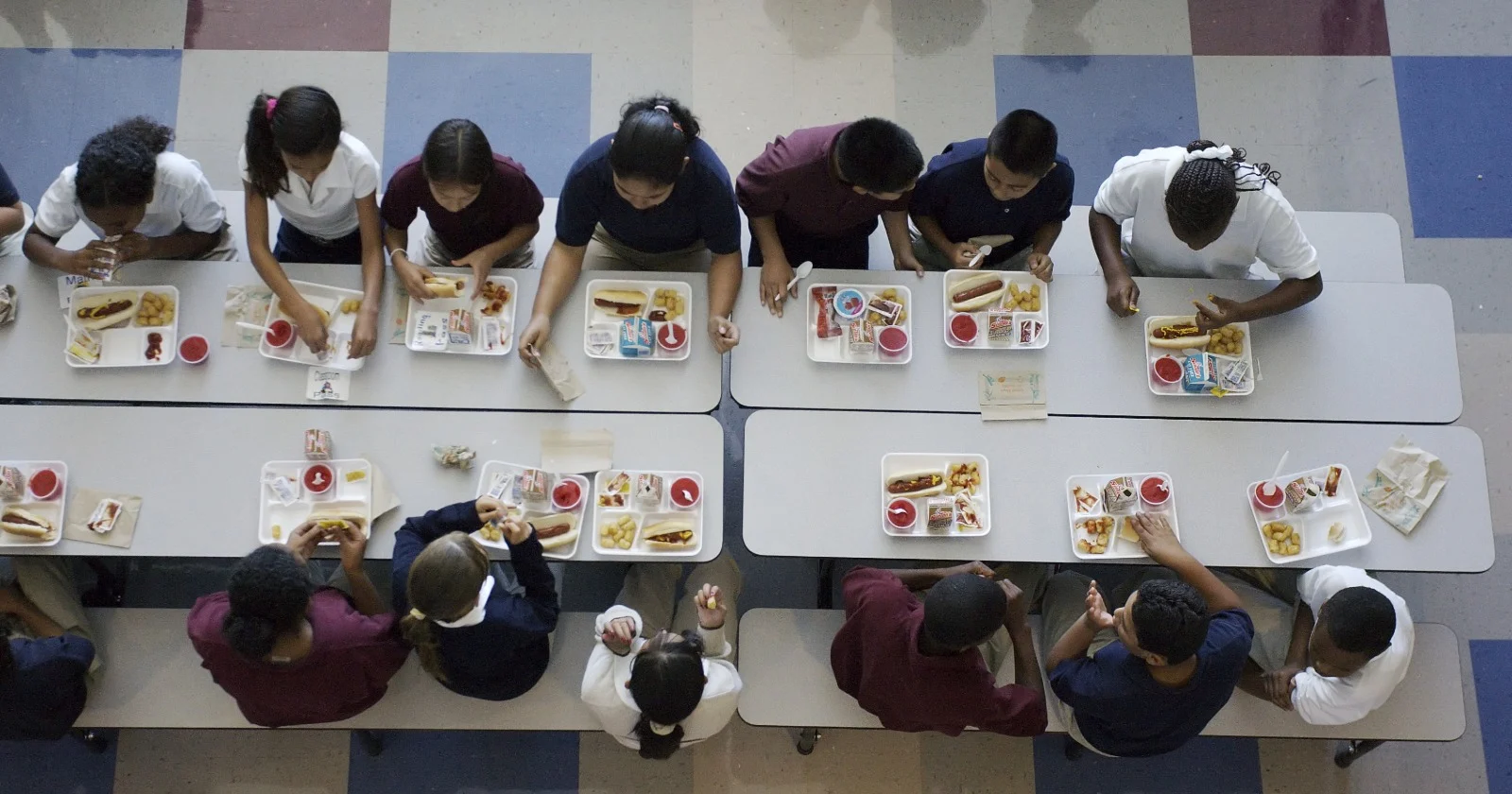
California's Real Food, Healthy Kids Act requires schools to start phasing out ultra-processed foods by July 2029. A Stanford Medicine study of 20 San Joaquin Valley districts found food service directors expect tight budgets, thin staffing, supply problems, and kitchens that can't handle scratch cooking.
9/26/2026
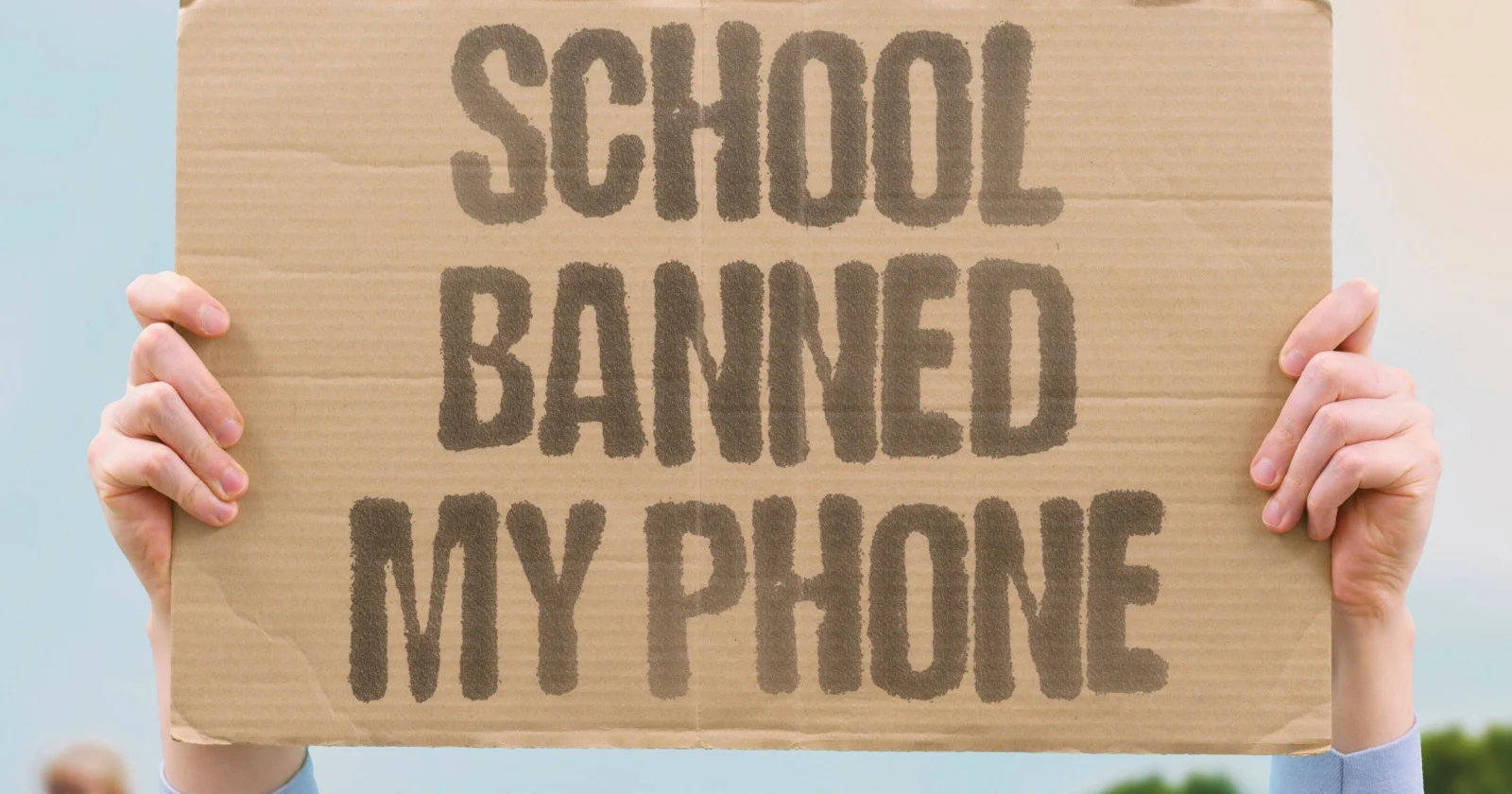
At least 39 states and Washington, D.C., now require schools to ban or restrict student cellphones, and 29 of those states plus D.C. call for rules that last the whole school day. Those places enroll about 72% of the country's public school students.

9/25/2026
Cursive was left out of the Common Core standards more than a decade ago, and states have been adding it back one at a time. At least 25 now require it, most in grades 3 through 5. Here is the list, the newest laws, and the argument over whether it is worth the class time.
9/24/2026
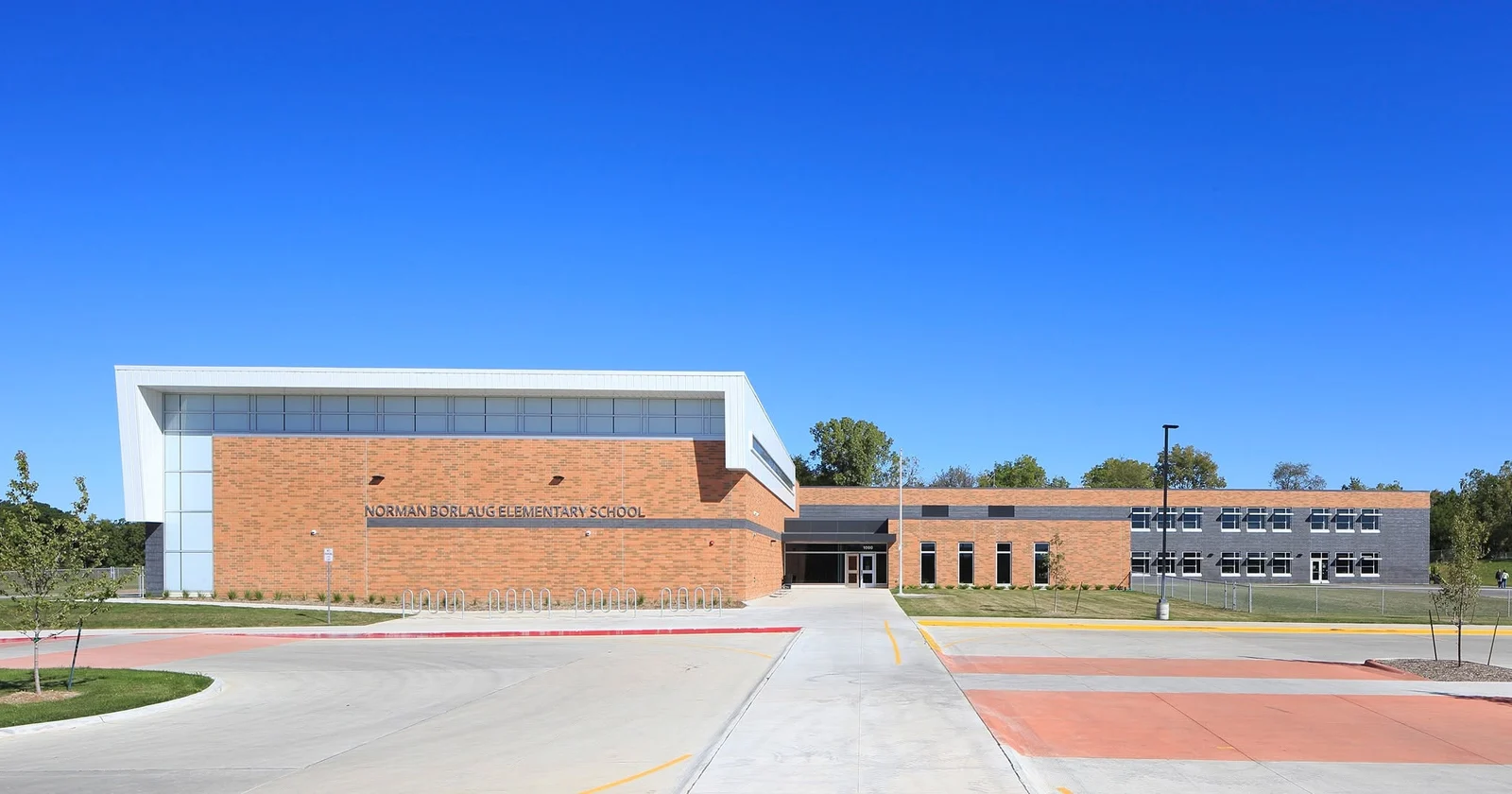
Hannah Jorgensen, a 24-year-old fifth-grade teacher at Borlaug Elementary in Coralville, and 10-year-old student Ahmed Osman died after going into the water near the Coralville Reservoir spillway during a class trip. The Johnson County Sheriff's Office is investigating how each of them got into the water.

9/23/2026
Two Detroit Lakes families and the ACLU of Minnesota sued the district and four board members Tuesday, arguing the ban on rainbow stickers violates the state constitution and the Minnesota Human Rights Act. The suit also accuses the four of arranging the July vote in private, and cites texts obtained through a records request.
9/23/2026
Your address is assigned to a specific public school for each grade level, and the listing site's schools tab is the wrong place to check it. Here is how zoning actually works, the three ways to find your real assigned schools, and why the assigned school is not the end of the story.

9/21/2026
The Detroit Lakes school board added a rainbow ban to its agenda at the start of a July meeting and passed it 4-2 with no public comment. The stickers never came down, a vote to pause the ban failed, and the board is now weighing a rewrite that drops the word rainbow but limits what employees can display.
9/20/2026
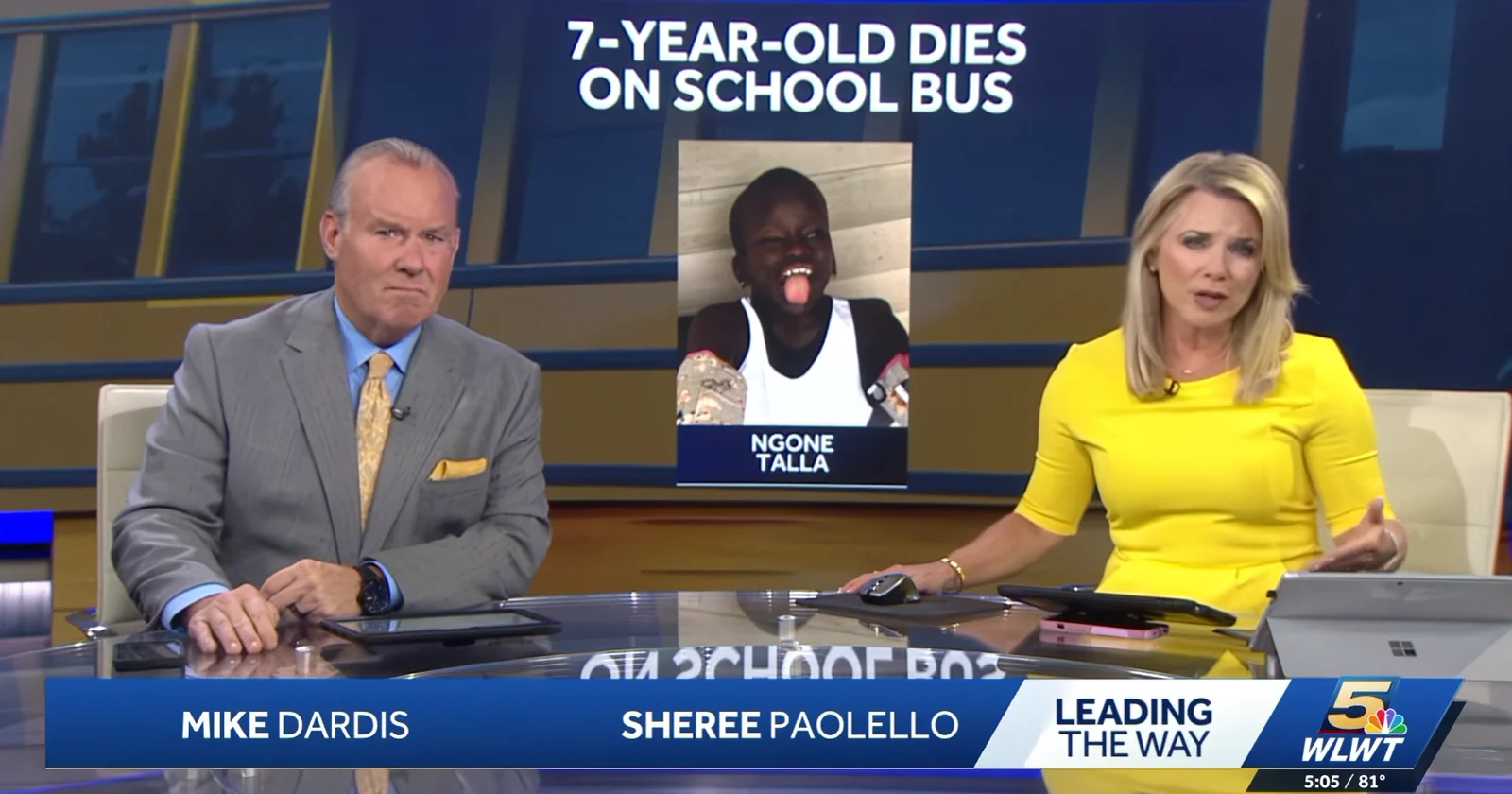
Ngone Talla, a Cincinnati Public Schools student with cerebral palsy, was found unresponsive in her wheelchair when her bus reached home Wednesday. The coroner says the death appears natural and shows no trauma. Her family says the bus sat outside for 10 to 15 minutes before anyone told them, and police have opened a death investigation.
9/19/2026
A gym syllabus at Lakeview High School in St. Clair Shores requires a parent note stating how long a girl's period lasts before she can make up missed swim days. Parents call it an invasion of privacy that applies only to girls, one says it cost his straight-A daughter a C, and another is asking whether it violates Title IX.
9/19/2026
Parents escalate to the wrong person constantly, usually the superintendent, and the complaint comes back down to the person they skipped. The chain is short and the divisions are real. A board cannot fix your child's grade, and a principal cannot change the calendar.
9/18/2026
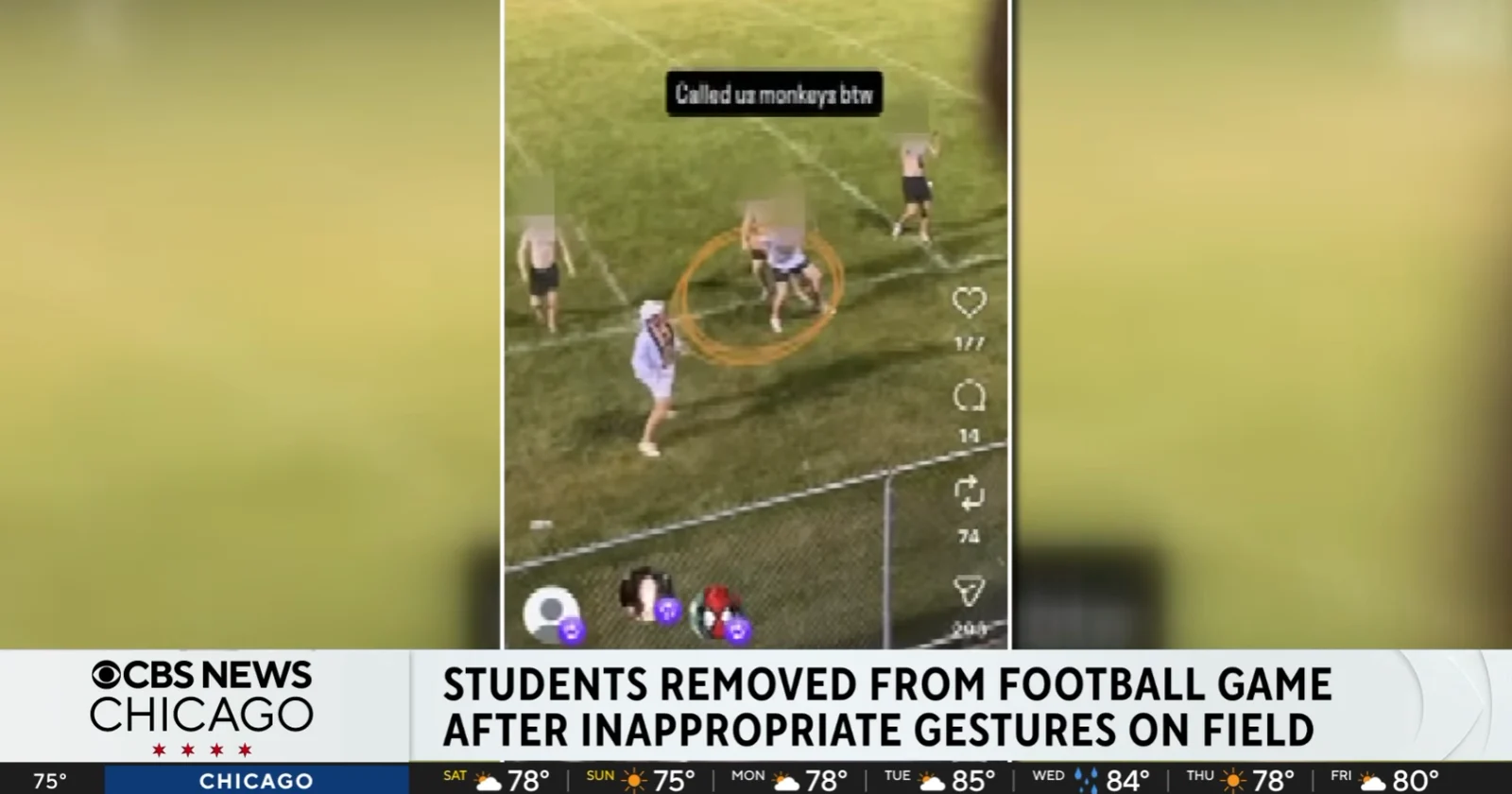
The District 210 board voted unanimously Thursday to let six students leave rather than be expelled over racist taunting at a Homewood-Flossmoor football game. An expulsion can follow a student to their next district for up to two years. A withdrawal does not carry that rule. Homewood-Flossmoor is weighing a lawsuit.

9/17/2026
Most people know Title IX as the reason girls' teams exist. In a K-12 building it also reaches harassment, pregnancy, dress codes, and retaliation, and it requires your district to name a coordinator and publish a grievance procedure. Almost no parent knows who that coordinator is.
9/16/2026
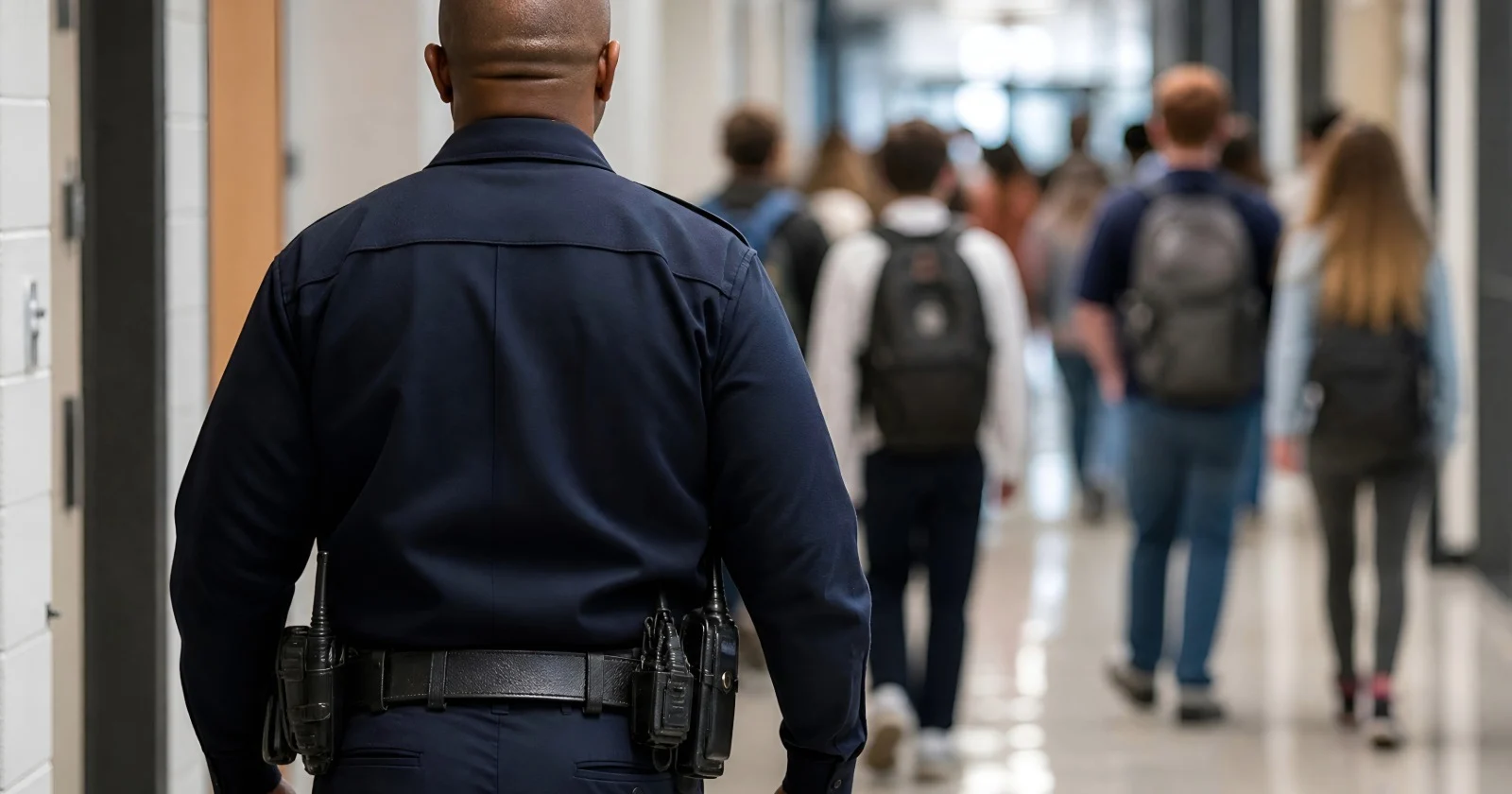
More than half of US public schools now have a sworn police officer on site at least weekly, but most families cannot say what that officer is allowed to do, who employs them, or how they differ from a security guard. Here is the plain version, and the questions worth asking your school.

9/15/2026
The Board of Regents voted Monday to end the century-old exams as a diploma requirement after the class of 2027 and to collapse three diploma types into one. Rules are due in February and a vote in June. Critics say the state is tearing down the measuring stick before it has built a new one.

9/12/2026
The recommended caseload for a school counselor is 250 students. The national average is 372, and only four states meet the standard. High schools have quietly gotten there. Elementary and middle schools are running caseloads near 700.

9/11/2026
A student at Virginia Shuman Young Elementary discharged what police called a fart spray in a hallway, a restroom, and a classroom. Ten children were evaluated for trouble breathing and three went to the hospital. Hazmat crews found no actual hazard, which is exactly why these keep happening.
9/10/2026
Federal law gives you the right to see everything in your child's education file, to challenge what is wrong in it, and to stop the school from publishing basic details about them. Most families never use any of it, because the annual notice explaining these rights arrives in a stack of first-week paperwork nobody reads.
9/9/2026
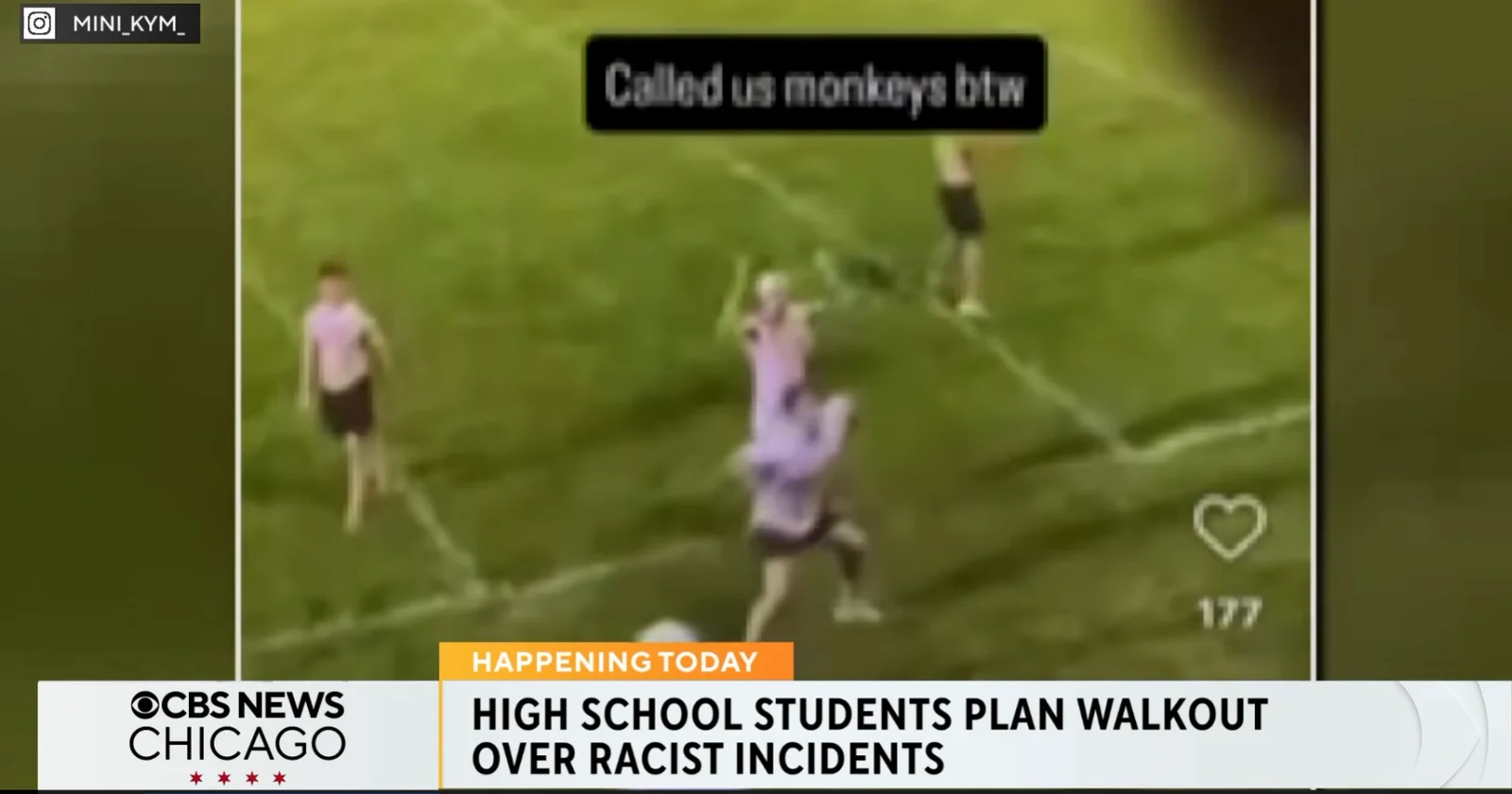
Four days after five Lincoln-Way East students were filmed making monkey gestures at Homewood-Flossmoor fans, three H-F cross country runners say they overheard a Lincoln-Way East coach call them monkeys before a meet. The school says the coach was recounting a story about a course section called the jungle. Students plan to leave class at 11:50 Wednesday.
9/8/2026
Valdosta, Georgia has been named the top finalist to become the permanent home of the National High School Football Hall of Fame, ahead of Massillon and Berea, Ohio and Pittsburgh. The choice fits: Valdosta High owns more wins than any program in the country, and its crosstown rival is one of the largest high schools in Georgia.

9/7/2026
A 22-year-old was charged with a felony after investigators say he described a plan to attack Serna Elementary, a 312-student school near his home, in messages to an Anthropic chatbot. The FBI flagged the chat 17 days later and traced it through phone, internet, and Google records. He is held on $250,000 bond.

9/7/2026
The average public high school enrolls about 700 students, but the typical one enrolls 420, because a few thousands-strong giants pull the average up. Elementary schools average about 424. And the state you live in changes the answer by a factor of five.
9/6/2026
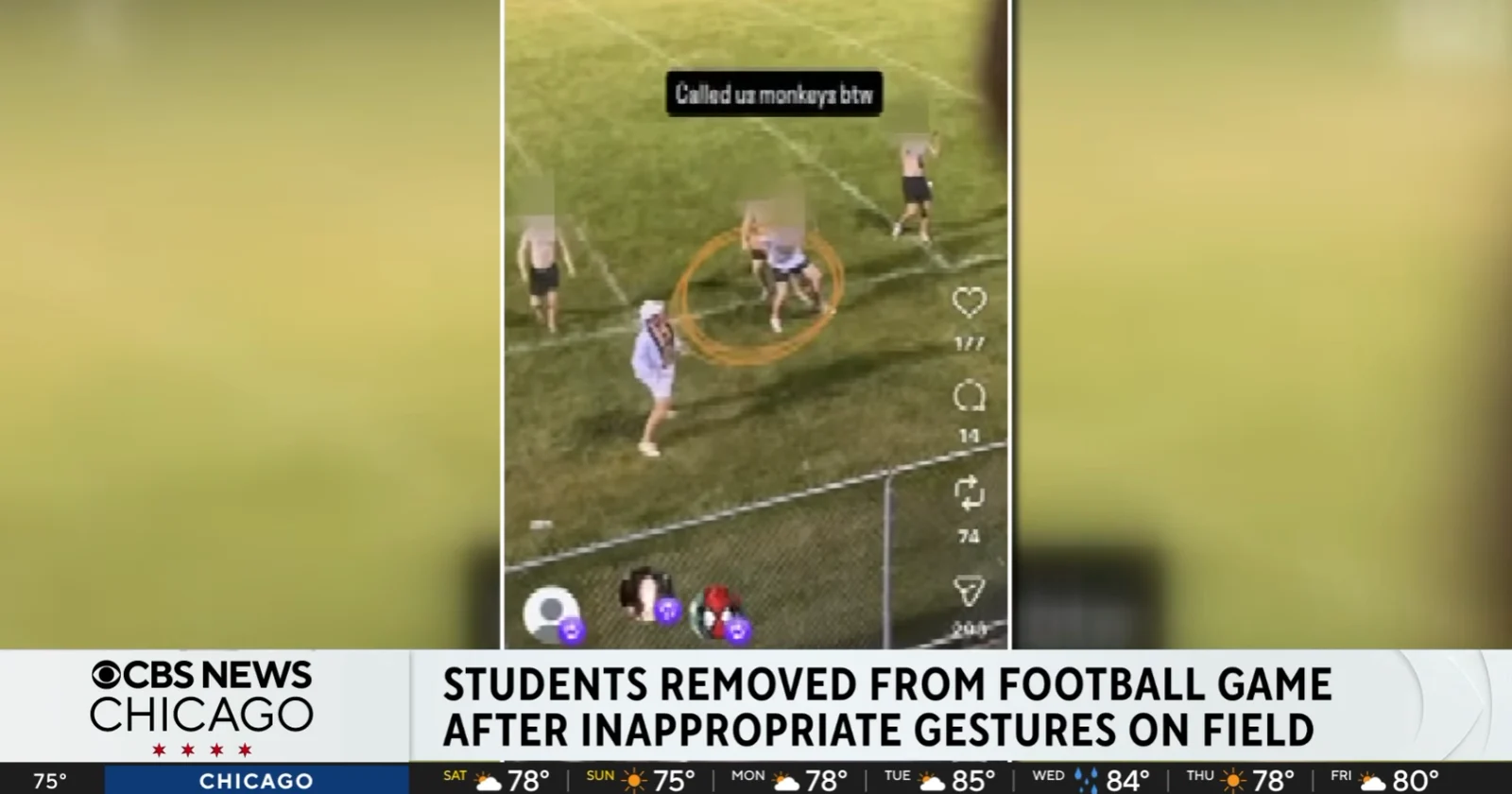
Video from Friday's varsity game in Flossmoor, Illinois shows students from the visiting school taunting fans of a majority-Black high school with monkey sounds and gestures. Lincoln-Way East says it has identified the students and apologized. Homewood-Flossmoor says it is weighing legal options.

9/5/2026
Franklin Towne Charter High School agreed Friday to a False Claims Act settlement over its January 2023 admissions lottery, which prosecutors say was manipulated to lower Black applicants' odds. The school is 17% Black in a city where district schools are 42% Black. Neither the school nor former CEO Joseph Venditti admitted liability.
9/3/2026
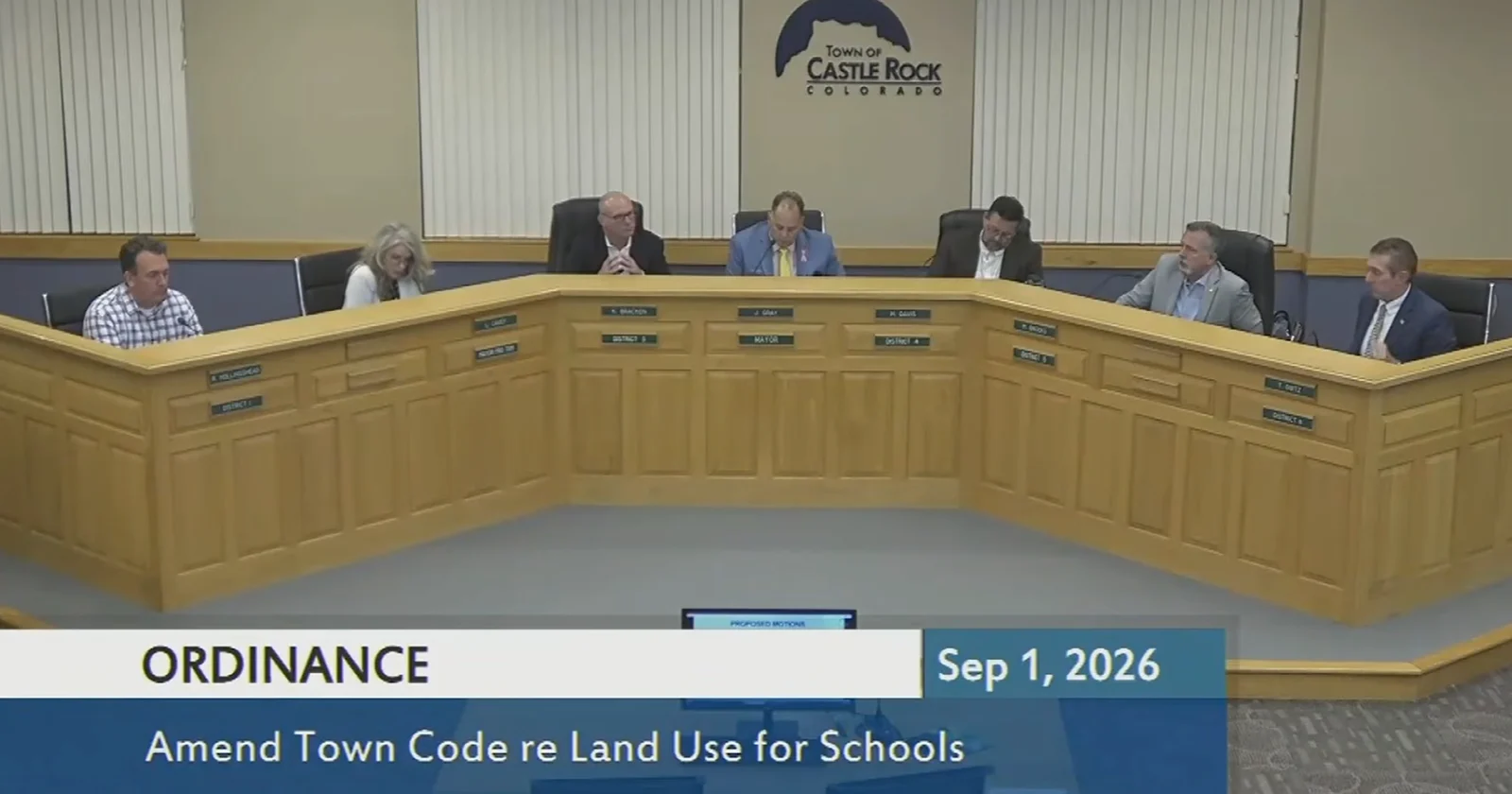
A 4-3 vote in one of Douglas County's fastest-growing towns rewrote the rules for 13 sites that developers set aside for schools. The district now has to fund a school before it gets the land, and seven of those sites are already penciled in for parks. We read the ordinance and the town's site memo.
9/3/2026
Mid-year moves are harder than summer moves for reasons most families do not anticipate: credits that do not transfer cleanly, support plans that pause, and a social world that has already formed. Here is what to handle before, during, and after the switch.
9/2/2026
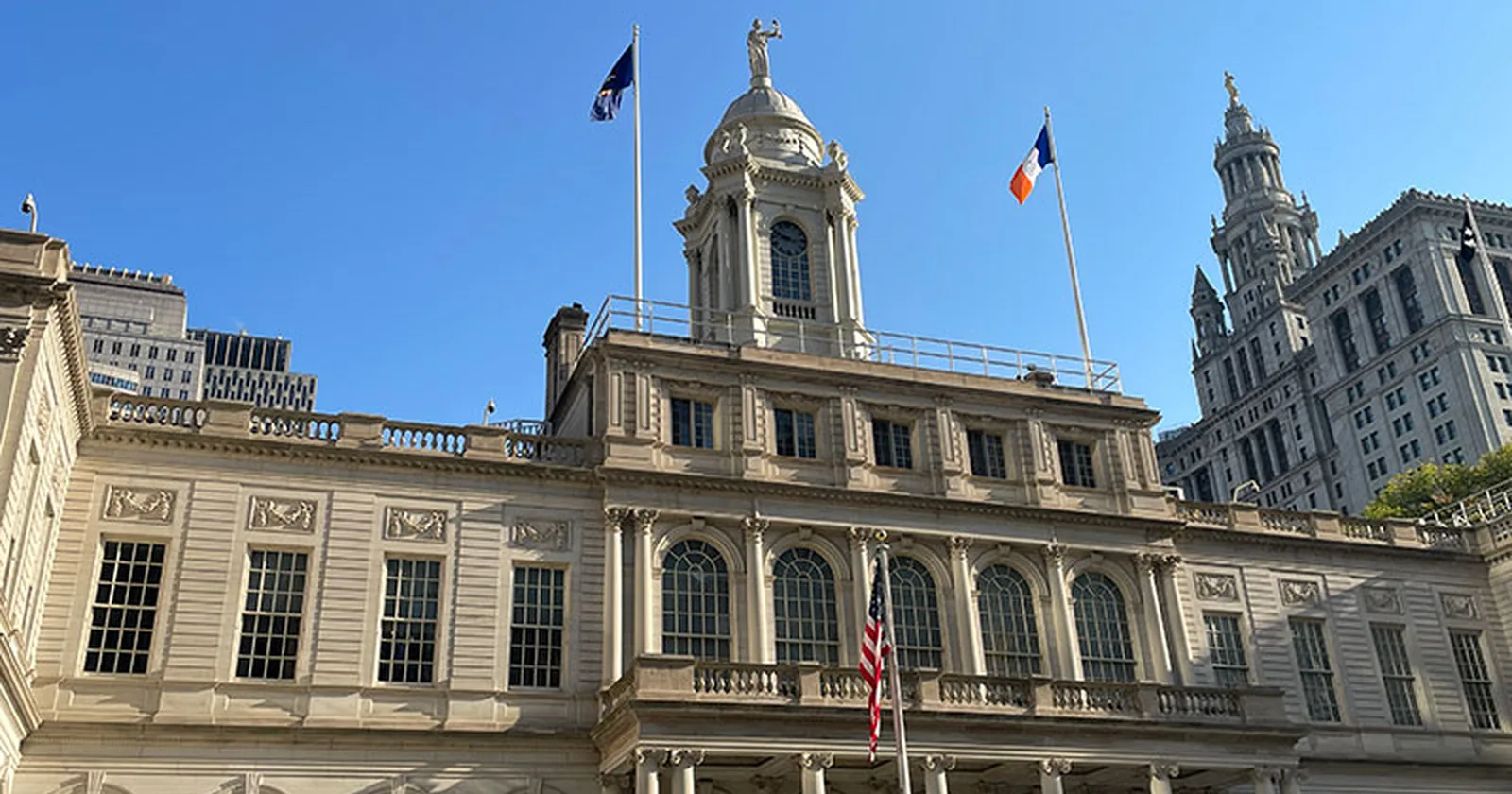
The nation's largest school system will bar student-facing generative AI from 2-K through eighth grade for the 2026-27 year, ban companion chatbots in every grade, cap classroom screen time, and limit high school AI to five named pilots. The mayor's message to the tech industry was blunt.
8/30/2026
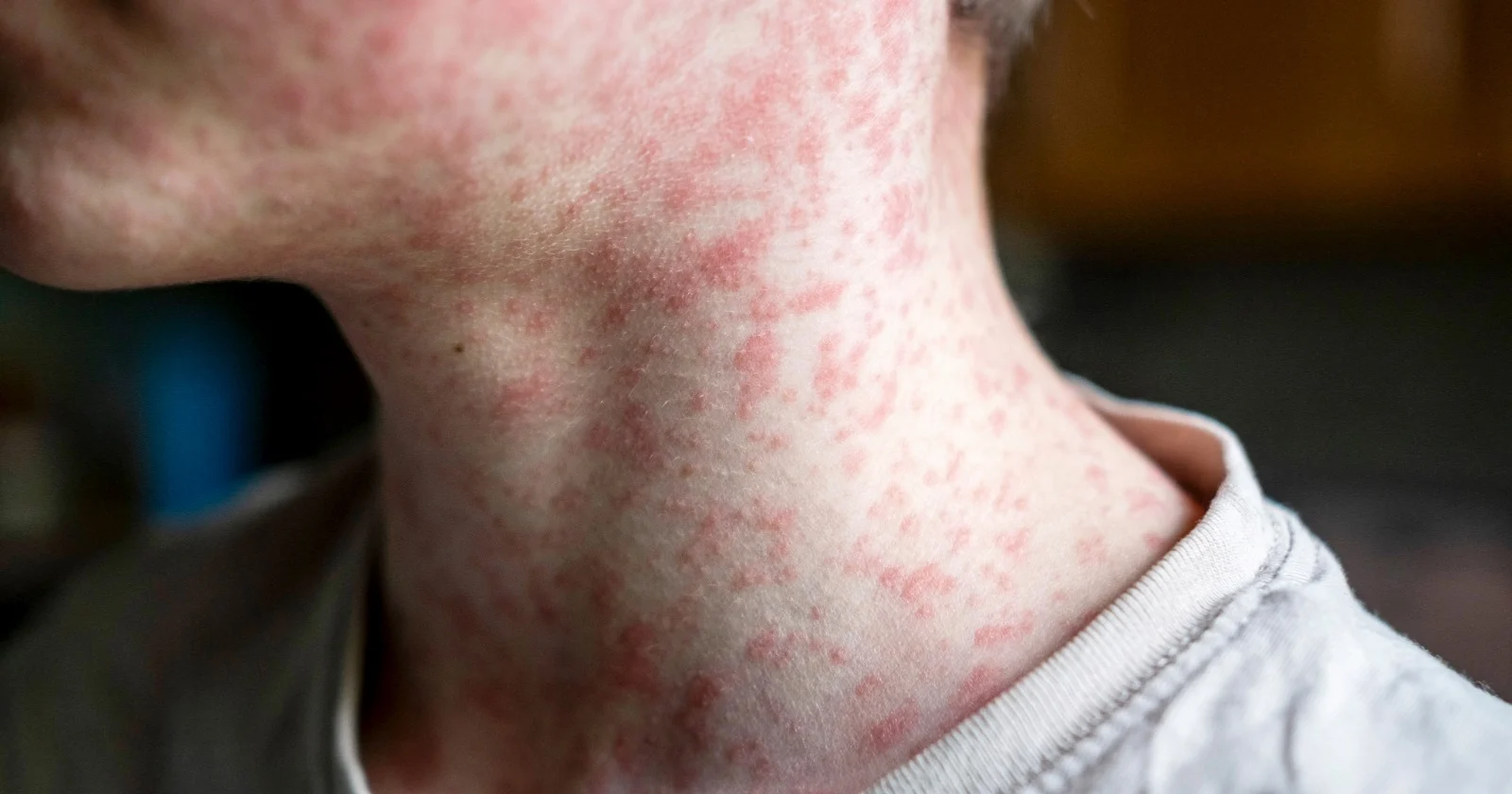
The US has recorded more than 2,700 measles cases in 2026, the most in decades, and kindergarten vaccination has slipped below the level that protects a community. Here is how schools respond to a case, what the 21-day exclusion rule means, and what to check now.
8/28/2026
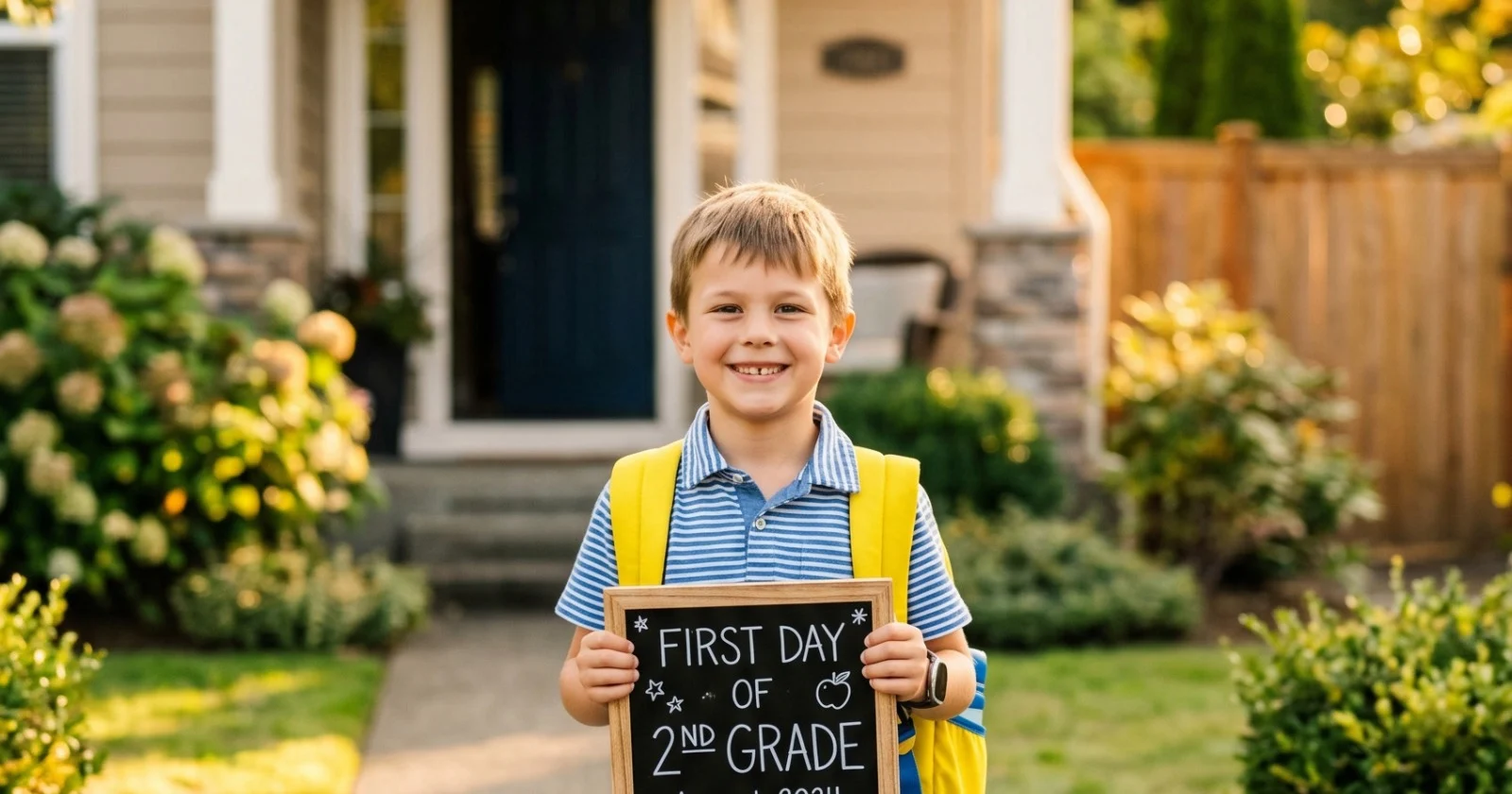
A 14-year-old is usually a freshman, a 10-year-old is usually in fifth grade, and the word usually is doing real work in both sentences. Here is the full age-to-grade chart, why the ranges overlap, and how cutoff dates and holding kids back shift the math.

8/28/2026
A coalition of Virginia parents and former teachers is asking the state Board of Education for a statewide framework governing digital tools in schools, plus the right to opt a child out. A state senator plans to introduce a model policy in January.
8/27/2026
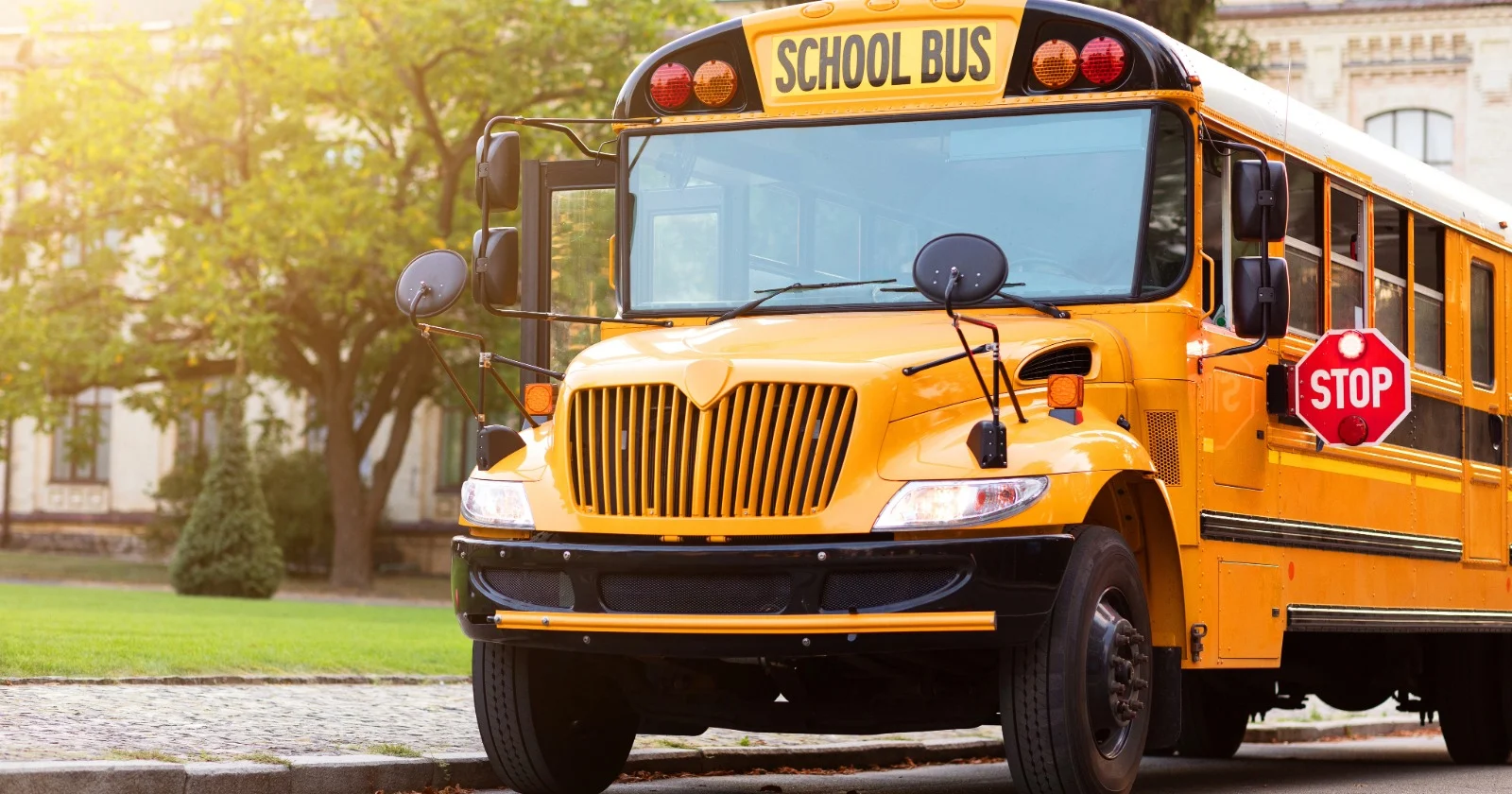
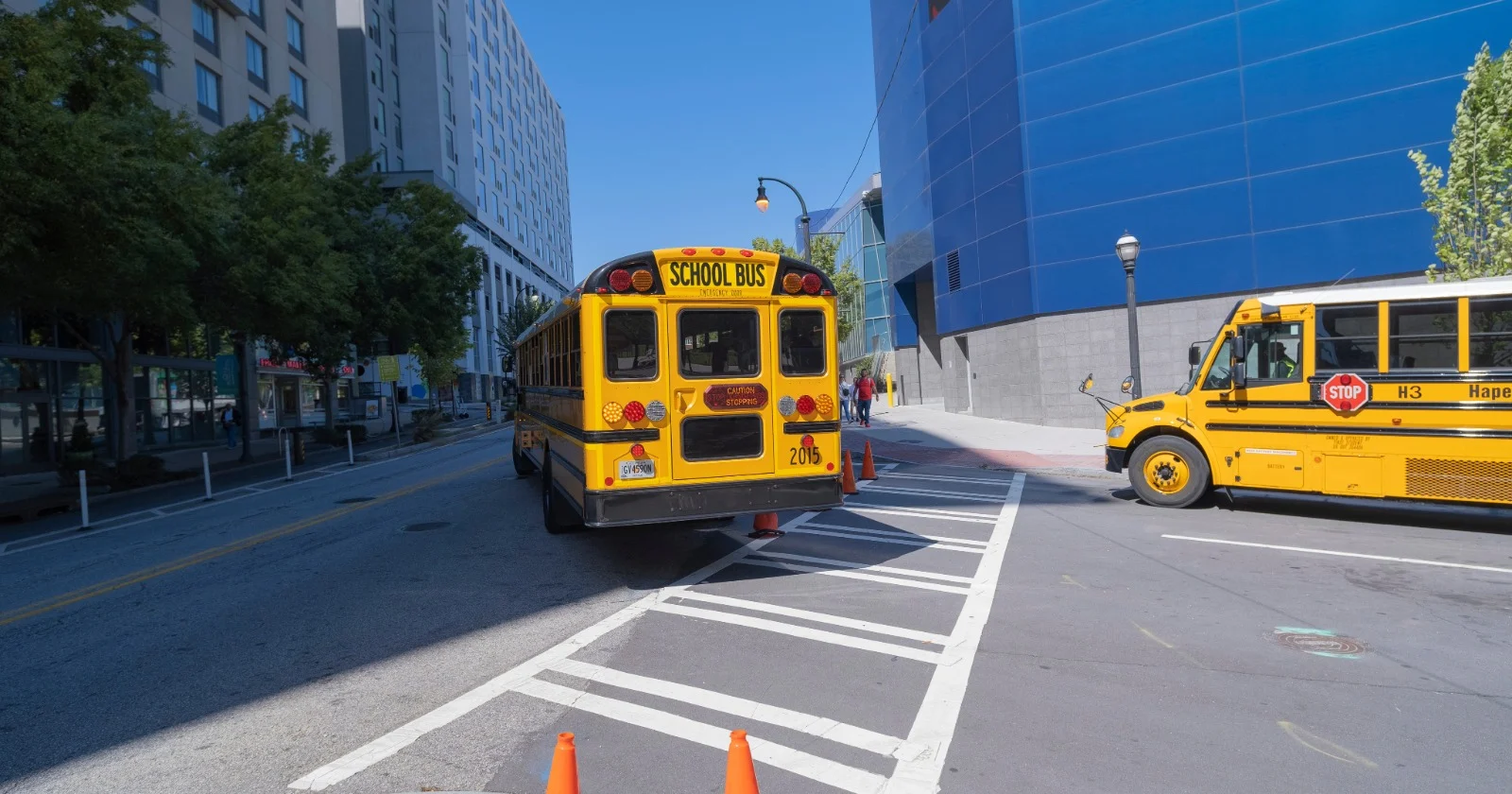
About 90% of America's 480,000 school buses run on diesel, now averaging $5.62 a gallon against $3.70 a year ago. Districts are consolidating routes, staggering bell times, and tapping rainy-day funds, and one Washington official measured the hit in teachers.

8/26/2026
Meta settled with 52 attorneys general and agreed to default limits on teen accounts: two hours a day, no access overnight, hidden likes, and muted notifications during school hours. It does not block the apps during class, and it does not cover TikTok, YouTube, or Snapchat.
8/26/2026
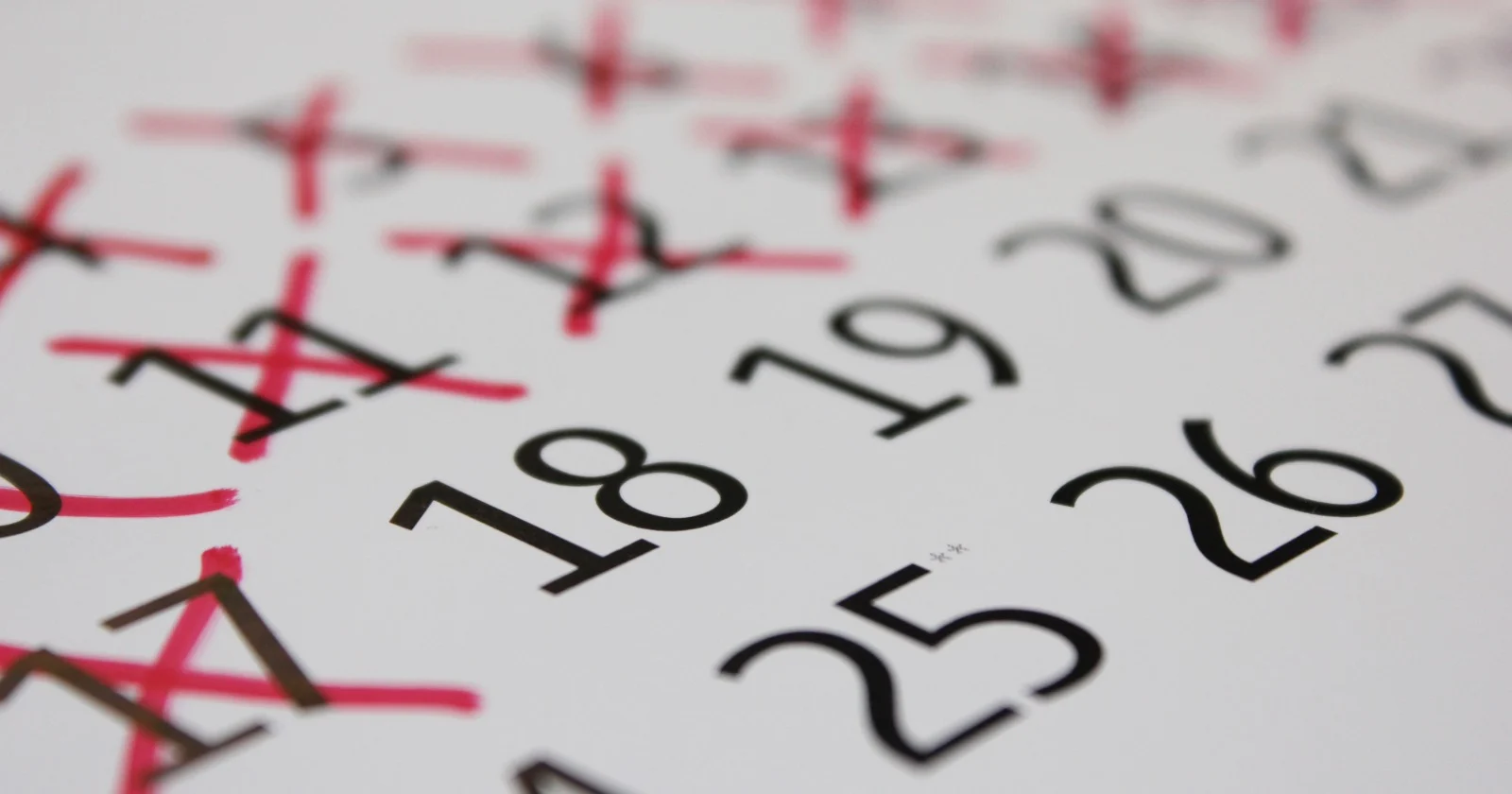
Chronic absenteeism does not mean skipping school. It means missing 10 percent of the year, about 18 days, and it counts the sick days and the family trip too. Here is what the label means and what to actually do about it.
8/24/2026
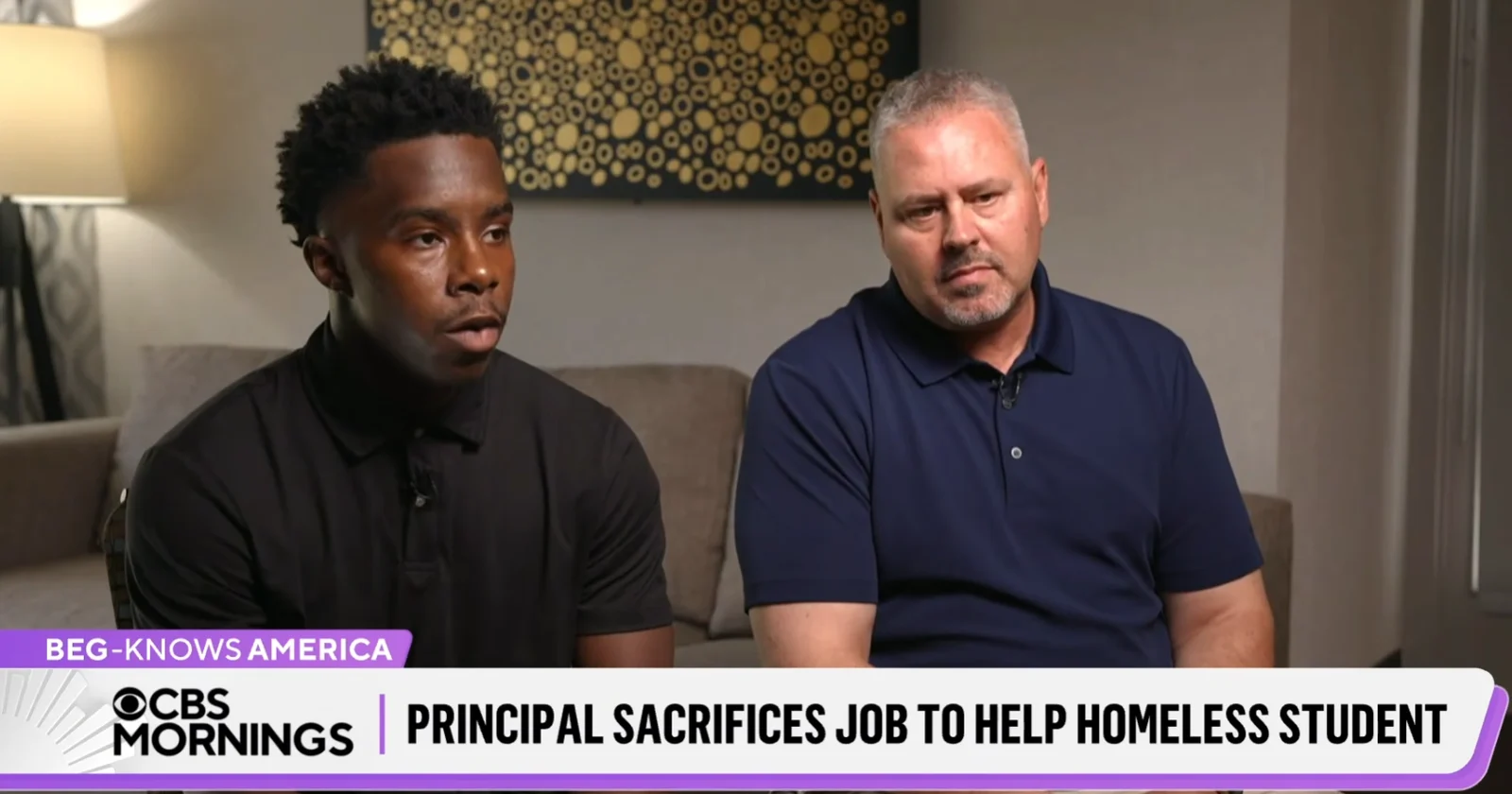
Rob Burnside let a homeless student keep attending Lakota East High School after the district said he had to withdraw, then took him into his home. It ended a 31-year career. It also points at a federal law most families have never heard of.
8/23/2026
Mills Park Elementary in Cary posts the highest test proficiency of any public elementary school in Wake County, home to Raleigh. The strongest schools cluster in the Cary, Apex, and Morrisville tech corridor, and the scores track neighborhood income closely. Here are the top 15.

8/22/2026
Officers in Nebraska's largest district had been carrying gloves that deliver an electric shock on contact, and used them twice last school year. After students and parents objected, Omaha police agreed to stop. Bellevue police, who patrol nearby schools, are keeping theirs.

8/20/2026
There is no federal ban on paddling students, so it is left to states. Fifteen still have laws allowing corporal punishment in public schools, almost all in the South, even as psychologists broadly agree it is harmful and ineffective. Here is where it happens, what the research shows, and why supporters defend it.
8/19/2026
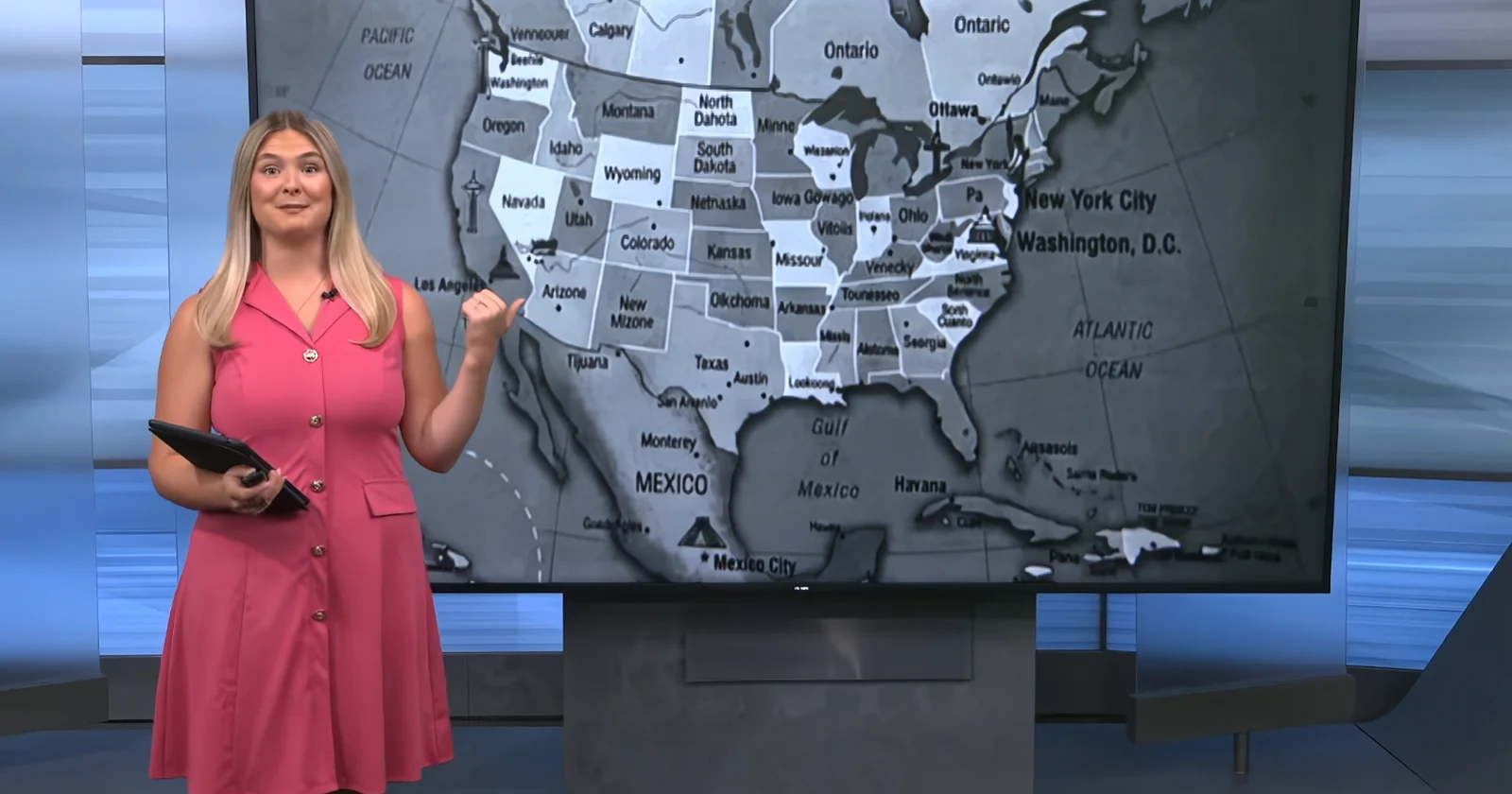
A Farnsley Middle School student agenda labeled Kentucky 'Venecky,' Illinois 'Vitoiis,' and included a distorted periodic table. Parents pay a $10 fee for the booklets and suspect the pages were AI-generated. The school told teachers to have students tear the bad pages out.
8/18/2026
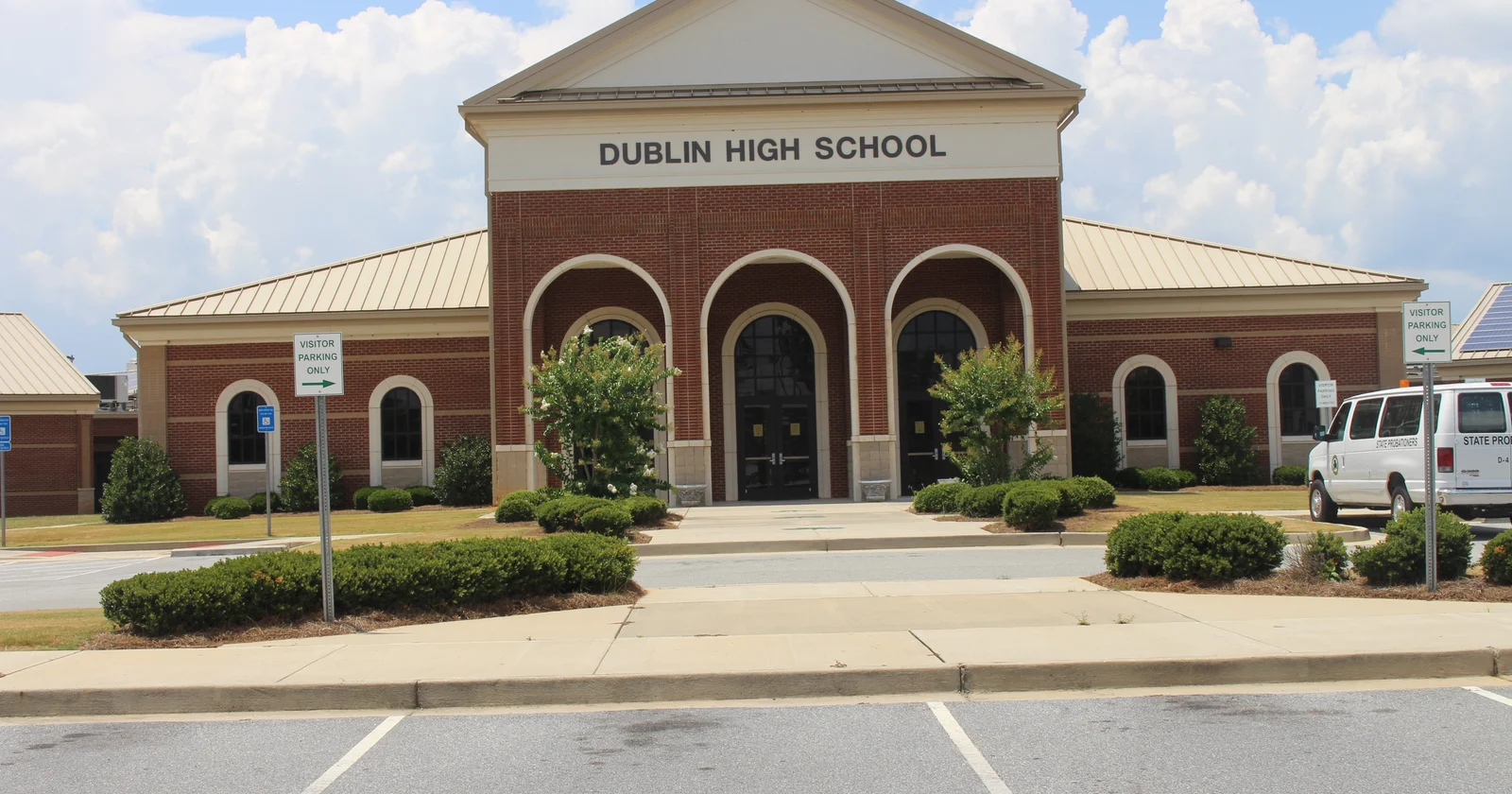
Gov. Brian Kemp suspended all seven members of the Dublin City school board as the small Georgia district works through a roughly $20 million financial crisis that began with a missed health insurance payment and has already cost 46 jobs. A committee will recommend temporary replacements.

8/17/2026
Aurora Public Schools opened Escuela Bilingüe Betty Benavidez this month, its first dual-language magnet, built on the idea that Spanish is an academic strength to grow rather than a gap to close. About 150 young students start in a model that aims for full biliteracy by the upper grades.

8/16/2026
Granville County took student take-home laptops away for grades 3 through 8, blocked YouTube, and set two tech-free days a week. Its own web monitoring showed why, and a year in, the results are messier and more interesting than a simple win. Other North Carolina districts are following.
8/15/2026
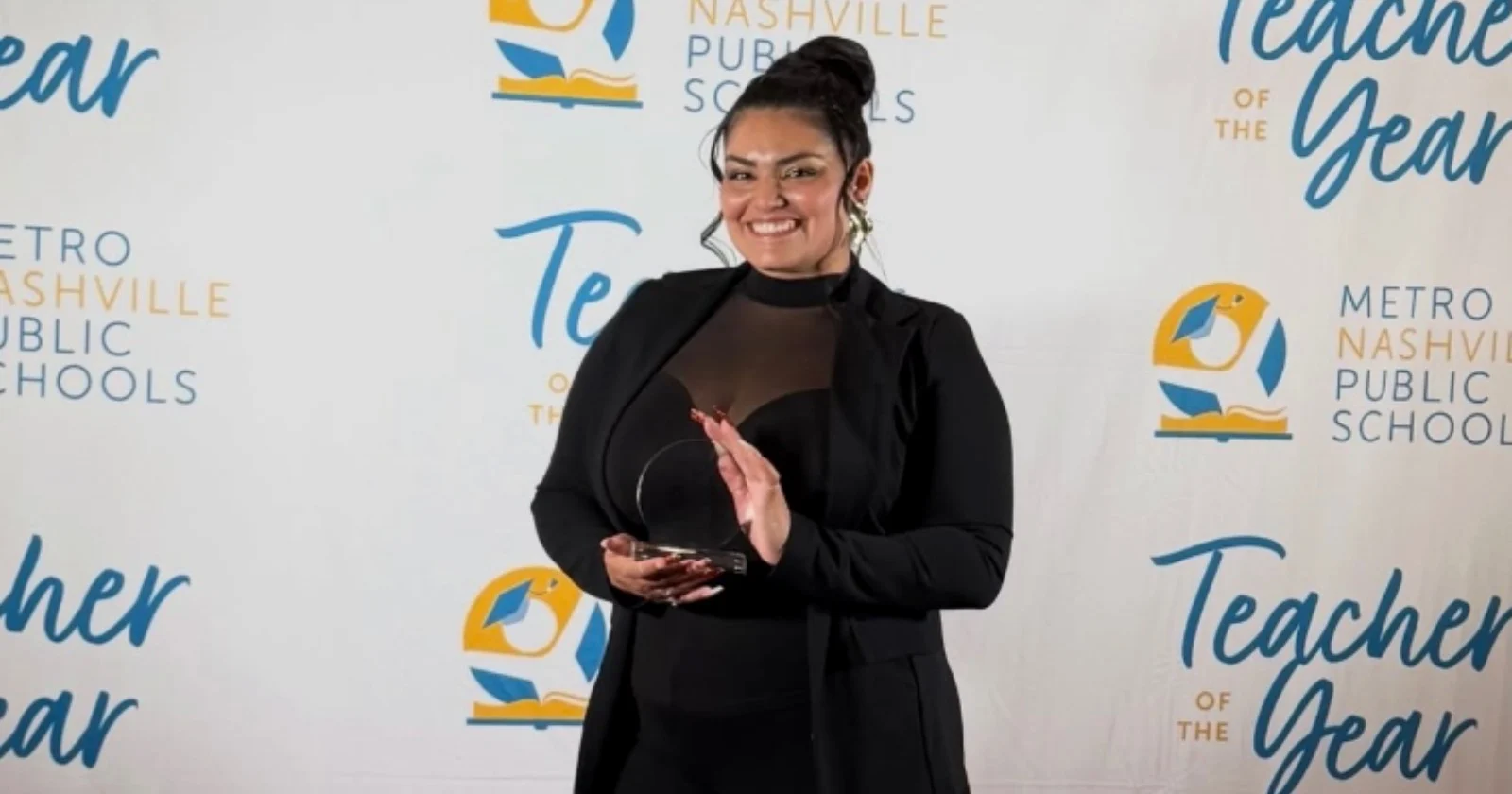
Samira Hardcastle, a former Metro Nashville Teacher of the Year, resigned after nearly a decade and went public with claims that district practices pushed her out, including being asked to change a student's failing grade. Metro Nashville Public Schools disputes key parts of her account.

8/13/2026
A seventh-grade student is in custody after a teacher was stabbed during class at Jonesville Middle School in Lee County, Virginia, on Thursday morning. The sheriff said the teacher's injuries are serious but not life-threatening, and credited several students with stopping the attack.
8/12/2026
The Quality Education Commission says schools need $13.8 billion just to hold steady and $16.2 billion to hit new targets. Enrollment has dropped nearly 33,000 students since 2017, and even the commission's own chair says more money alone won't fix it.

8/11/2026
The rules LAUSD approved in spring are now live: no screens for first grade and under, with limits rolling to every grade this year. One science teacher says 75% of his work ran through a screen and he doesn't feel set up for success.
8/10/2026
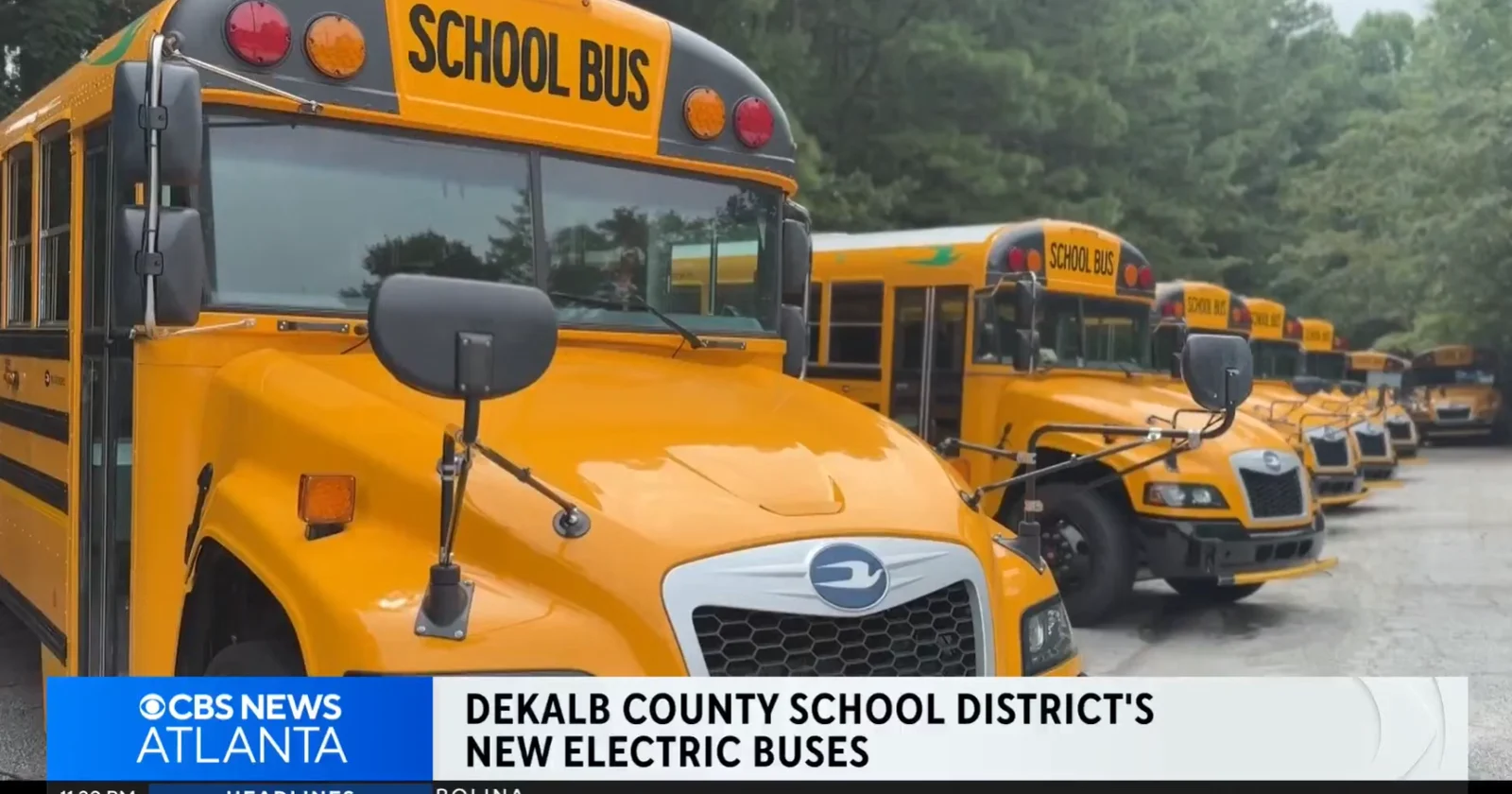
The Georgia district couldn't justify $400,000 electric buses on its own budget, so federal Clean School Bus money bought them. The district says the 75 buses will carry about a third of its bused students.
8/8/2026
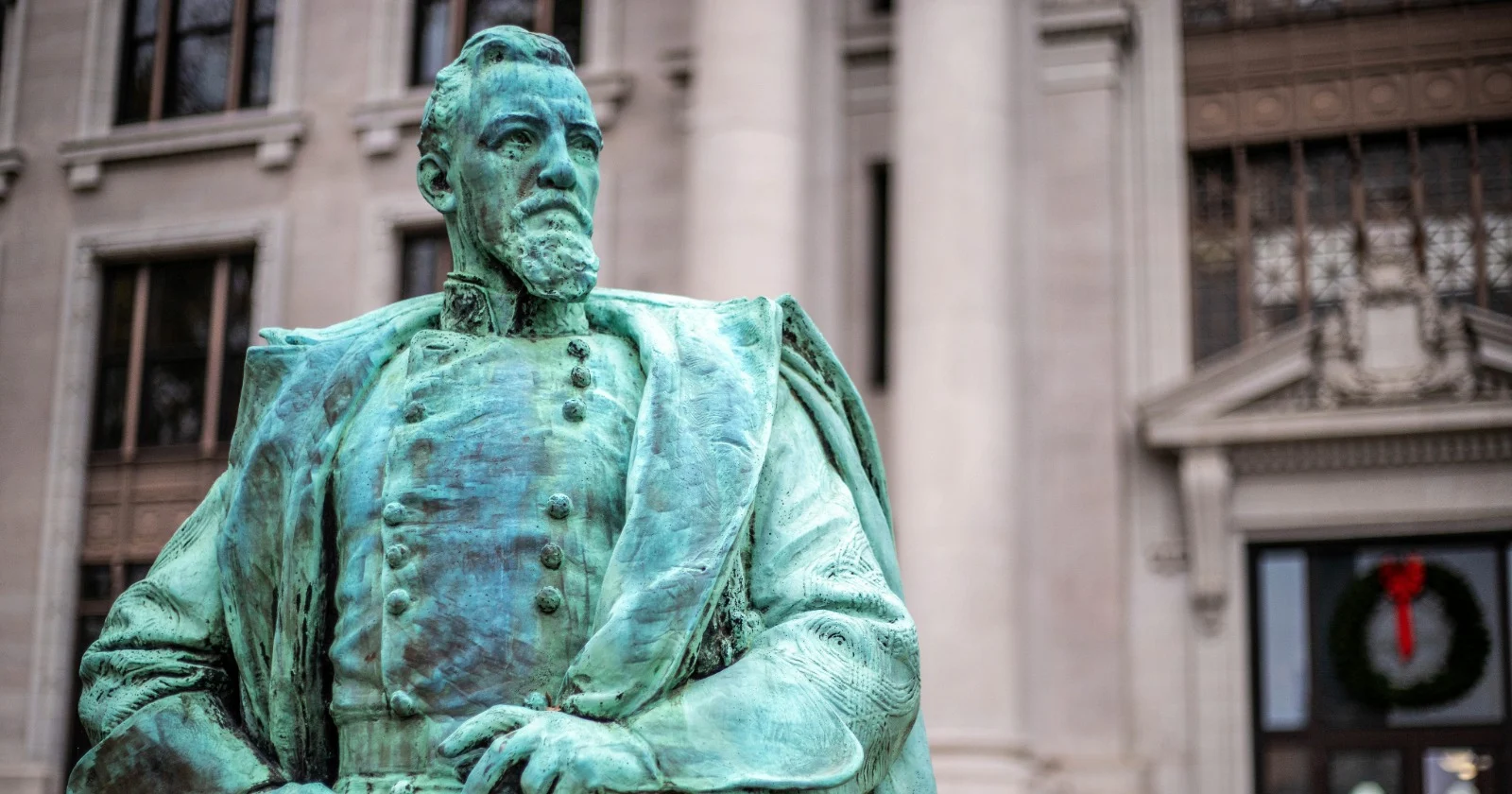
Shenandoah County restored Stonewall Jackson High and Ashby-Lee Elementary in 2024, four years after dropping the names. A judge ruled the reversal discriminated against Black students, who number fewer than a dozen at each school.
8/7/2026
New Georgia Milestones results show gains in nearly every grade, with fourth, fifth, sixth and Algebra hitting all-time highs. Eighth grade math slipped to 46% proficient, and that's the grade that signals whether kids are ready for high school math.

8/7/2026
The AI-based private school network is opening in Jamaica Plain and Beacon Hill, charging up to $65,000. The Jamaica Plain building belonged to the Croft School, which folded in June owing $12 million. Boston's school committee approved one location and says it has no oversight of what happens next.

8/6/2026
Matt Henson coached track at Parkview High for years, made the state coaches hall of fame in 2025, and was arrested this week on a felony theft charge. Parents' concerns about the booster club's finances started the investigation.
8/6/2026
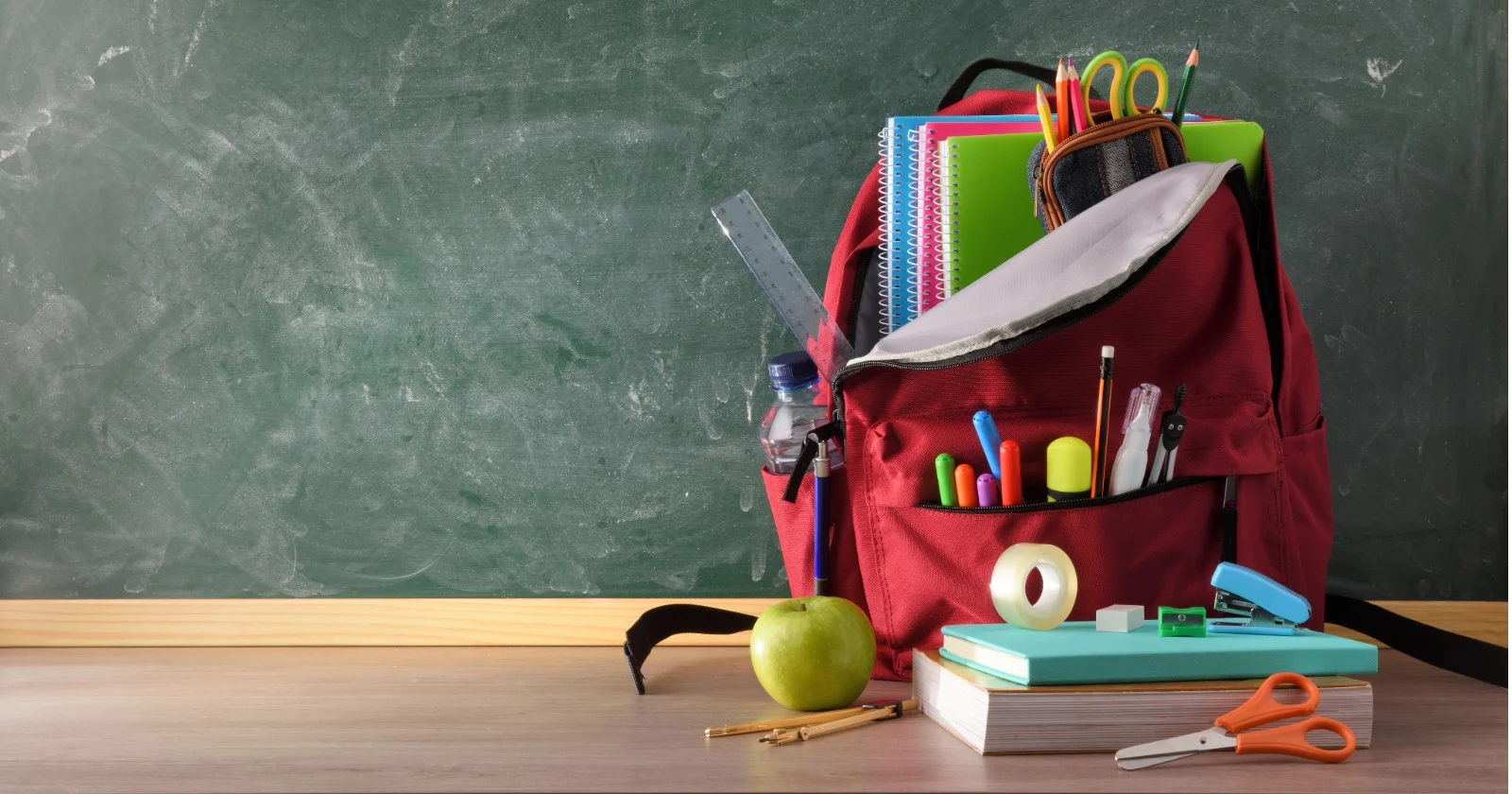
Viral haul videos are colliding with real inflation, and 62% of K-12 parents say they spend more than planned because their kid asked for a specific brand. The average family will spend about $864 this year. Here's what's behind both numbers.

8/5/2026
Jefferson County teachers expected the high-need school stipend to phase out slowly. Instead, 17 schools serving nearly 12,000 students were dropped entirely, and the district and the union don't agree on why.

8/5/2026
County officials found LAUSD's financial plan can't cover its future cash obligations, triggering a 45-day deadline to fix it. Layoffs, furloughs and school consolidation are all on the table. The district has lost a third of its students since 2017.

8/2/2026
Hardin County Schools says students were using metal bottles as weapons, causing concussions and hospital trips. The ban starts with classes on Aug. 6, and Hardin is far from the first district to do this.

8/1/2026
Lancaster Country Day School wants a lawsuit thrown out. Two students pleaded guilty to 59 felony counts. The school's defense rests on a gap in Pennsylvania law that lawmakers have been trying to close ever since.

8/1/2026
North Carolina rewrote four of its teacher licensure rules in the July 2026 state budget, including the test scores once required just to get into a teacher prep program. Here's what you actually need to teach in NC public schools now: the degree, the program, the exams, and which license you hold along the way.

7/31/2026
High schoolers from all 50 states spent a weekend in a replica Senate chamber in Boston and passed the Students First Act. A superintendents group is now sending it to 10,000 school leaders who are writing their own AI rules with no federal guidance.
7/30/2026
Most states make a child turn 5 between August 1 and September 30 to start kindergarten that fall, but the range runs from July 1 in West Virginia to January 1 in Vermont. Here's every state's cutoff, whether kindergarten is required, and how early-entry waivers work.

7/29/2026
Salamanca put its humanoid robot pilot on hold while it works out student data privacy agreements with the state. The superintendent says Sally was never going to teach. The state commissioner points out a board presentation called it a tutoring platform.

7/28/2026
Florida, Georgia and Colorado schools are installing teacher-activated drones that can smash windows, spray pepper gel, and ram an attacker at 60 mph. They have never been used in a real shooting.

7/28/2026
Thirteen elementary schools and seven middle schools went back Tuesday, two weeks ahead of the rest of Dallas ISD. The extra days come with state funding attached, and they run in the opposite direction from districts cutting to four-day weeks.
7/27/2026
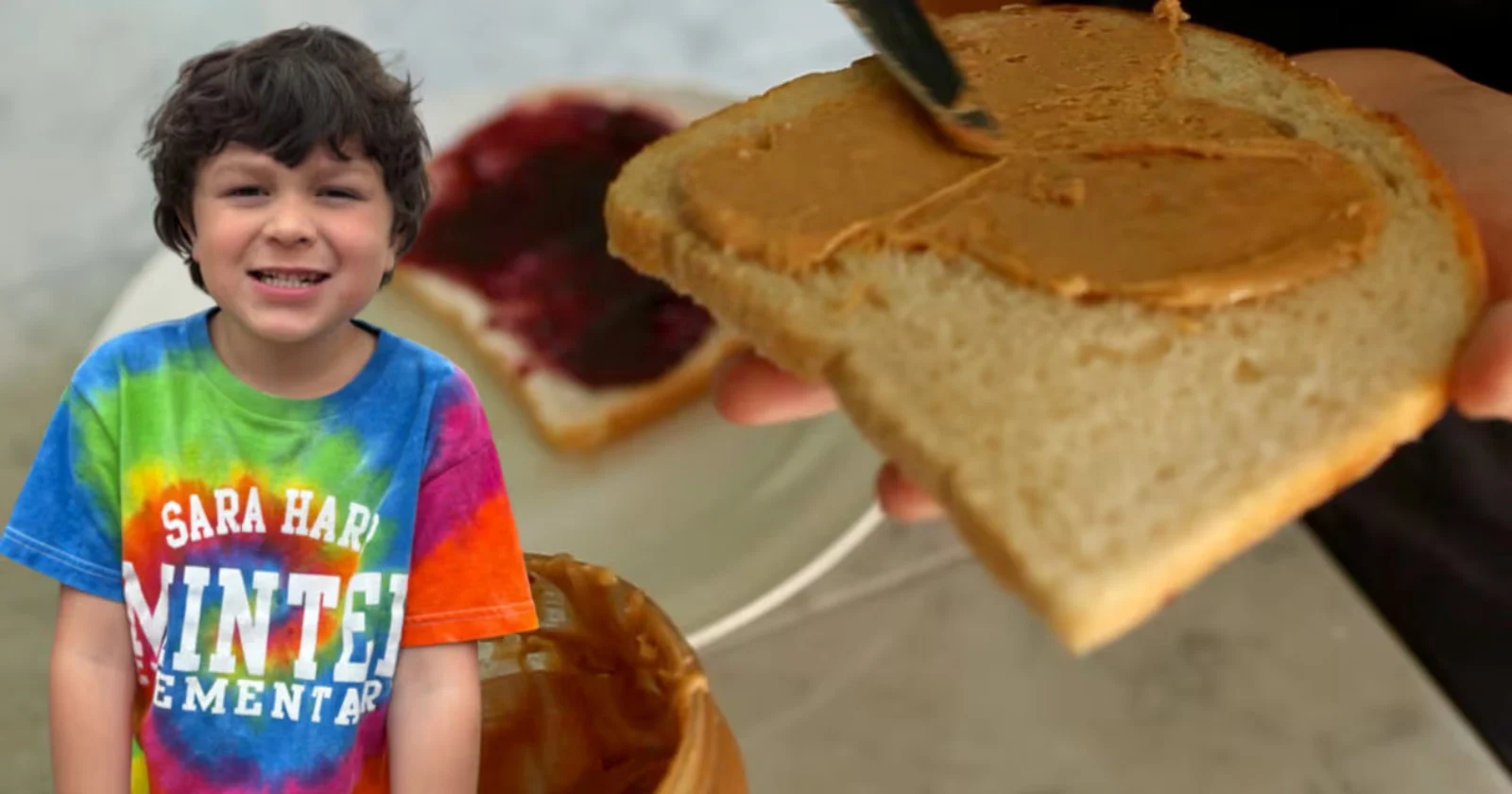
Six-year-old John Medina has been disciplined 33 times since 2023, including 14 suspensions. His parents say Fayette County keeps punishing behavior tied to his autism instead of following the plan meant to prevent it.
7/27/2026
A Richland County jury found the district grossly negligent after a ninth grader collapsed at a June football practice and spent 10 days in a medically induced coma. The details of what the school allegedly skipped are the part every football parent should read.

7/25/2026
Salamanca High School will be the first US school to deploy a humanoid robot and AI teaching assistant. Teachers want a pause, the state has raised privacy concerns, and Seneca residents say a school where roughly a third of students are Native American should not be the test site.

7/25/2026
Charter schools cluster where state law invites them and vanish where it doesn't. Our count of every active public school in the NCES data shows California with the most charters, Washington, D.C. running more than half its schools as charters, and six states with none at all.

7/24/2026
Chattooga County is one of only a handful of Georgia districts on a four-day school week. The free Mondays are real, but so is the trade-off: the district runs 38 weeks instead of 36 and started school unusually early to fit the required instructional days in.
7/24/2026
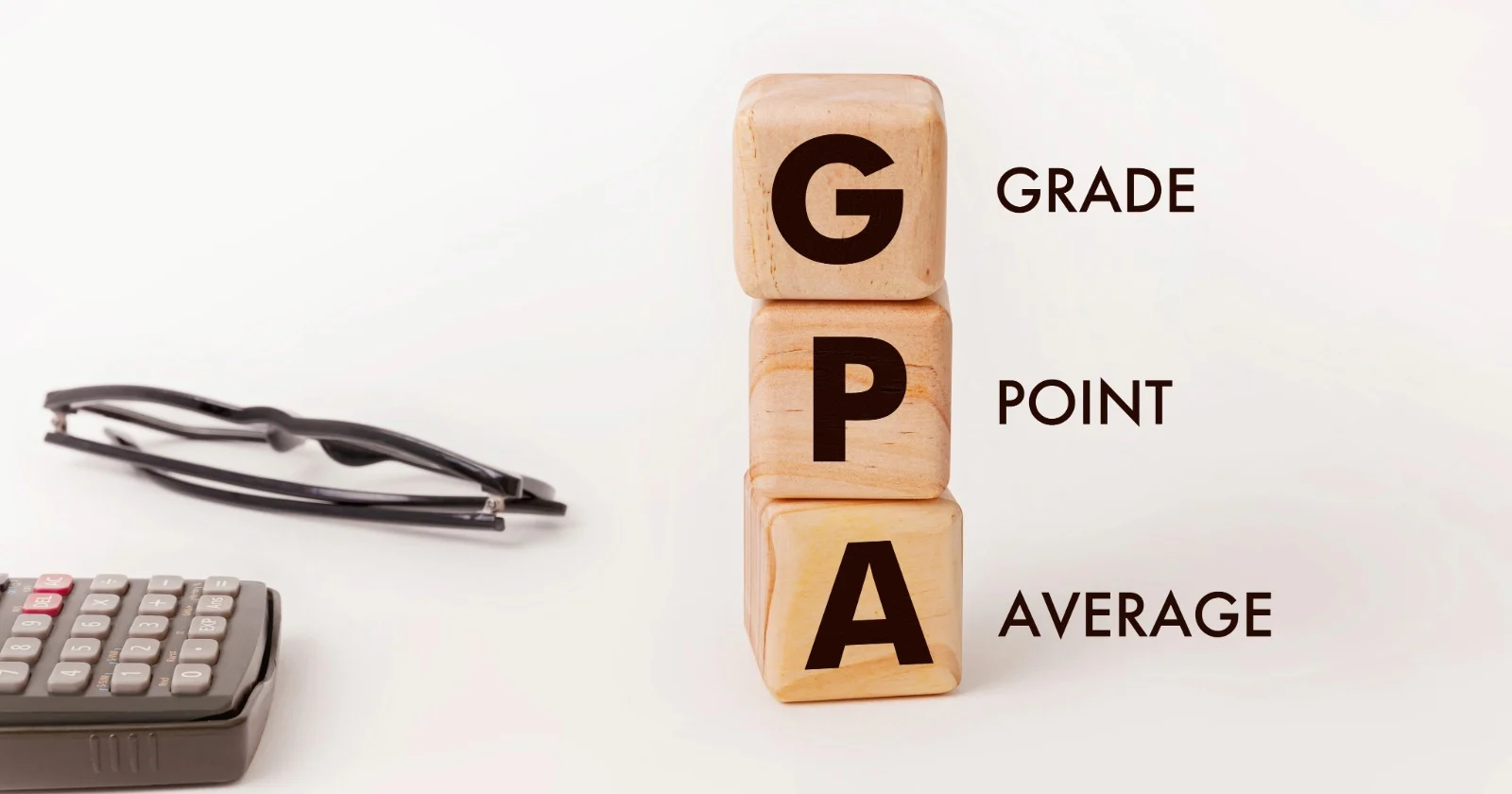
A Florida valedictorian graduated with a weighted GPA of 11.99, far above the supposed 4.0 ceiling. Here is how weighted and unweighted GPA actually work, why a number can climb into double digits, and why colleges recalculate it anyway.
7/23/2026
Jeannie Norris ran Miss Hall's School for 16 years. Prosecutors now say she knew about a teacher's inappropriate relationships with students and failed to act. The rare part is not the abuse charges against the teacher. It is that the head of school is charged too.

7/22/2026
A janitor at Daisy Elementary School in Hamilton County, Tennessee has been charged with sexual exploitation of a minor after investigators say he created digitally altered abuse images of school staff and students. Here is what authorities have said, and how the district and its contractor responded.

7/22/2026
Minnesota's third-largest district is facing mounting criticism over weak financial controls after multimillion-dollar deficits, years of budgeting errors, and a $5 million IRS penalty. A newly unredacted report adds detail. Here is what happened, and the enrollment squeeze underneath it.

7/22/2026
The smallest genuine public schools in the country serve two or three children, taught in a single room, often a long drive or a boat ride from anywhere else. Montana's remote schoolhouses and Maine's island schools lead the list.

7/21/2026
Alpha School, a billionaire-backed private chain that runs on two hours of AI learning a day and has no certified teachers, is opening in Oklahoma City and Tulsa this August. Tuition is $40,000, nearly double the priciest private school in the state. Here is how it works and why critics are alarmed.

7/19/2026
A new Common Sense Media report says Google's AI-powered Search is an 'unacceptable risk' for students, and here is the catch that makes it a headache for schools: you cannot disable the AI without disabling Google Search entirely. That means a kid can hit AI Mode just by doing homework.

7/18/2026
The Warwick School District has scheduled an August 5 hearing on whether to dismiss Bonfield Elementary principal Amy Balsbaugh, who it says left the school's facility dog, Callie, in a hot car on school grounds. Here is what the district alleges and what happens next.
7/18/2026
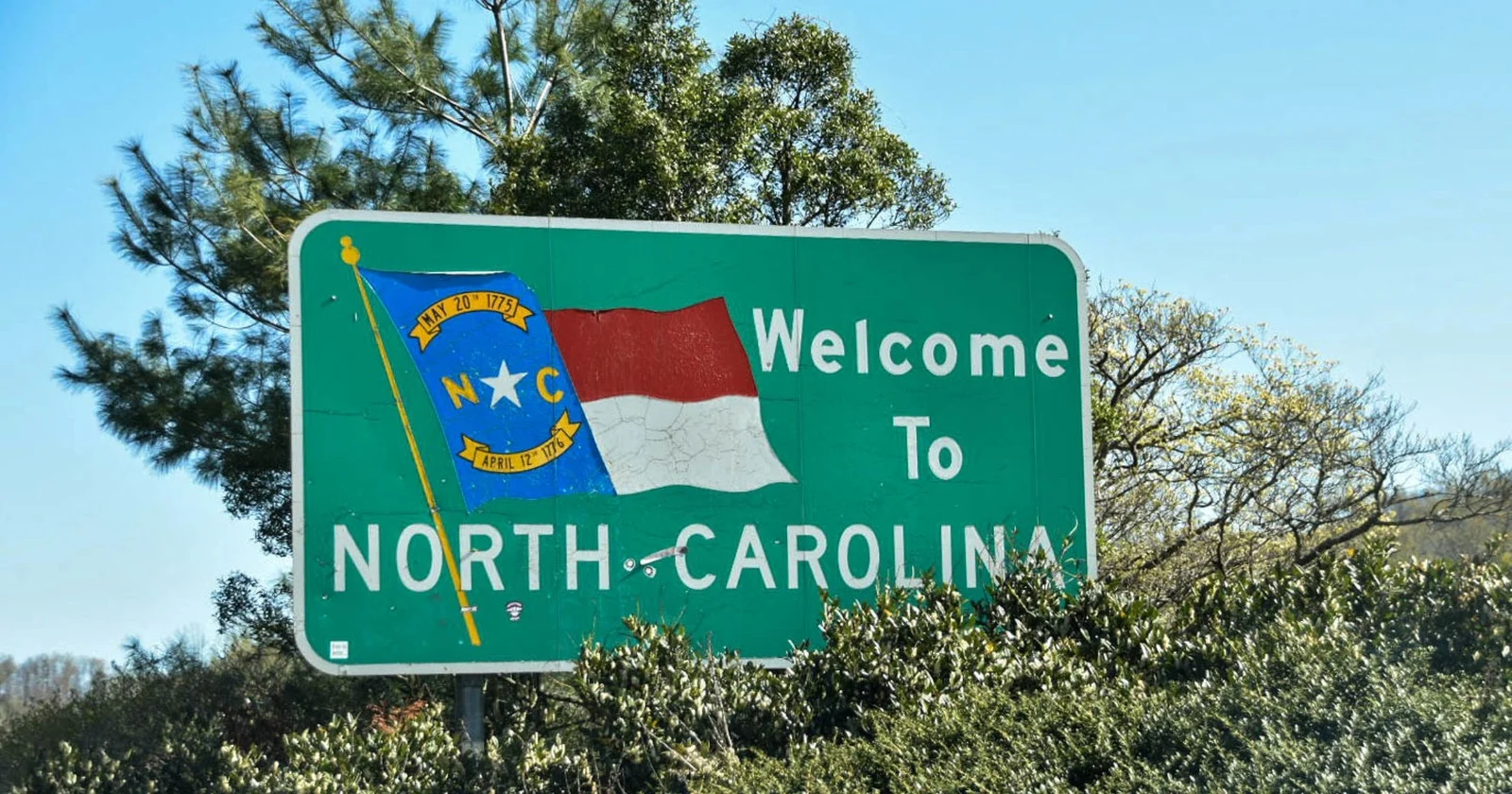
North Carolina released its 2025 school report cards. ACT scores jumped 13% and more students took AP courses, but the letter grades tell a harder story: more schools landed a D or F than an A or B. Here is the statewide breakdown, plus a look at the Triad.
7/17/2026
The U.S. Department of Education is investigating DeKalb County, Richmond County, and Savannah-Chatham County over whether they let employees accused of sexual misconduct quietly move to new jobs, a practice known as 'passing the trash.' All three districts say they follow the law.
7/16/2026
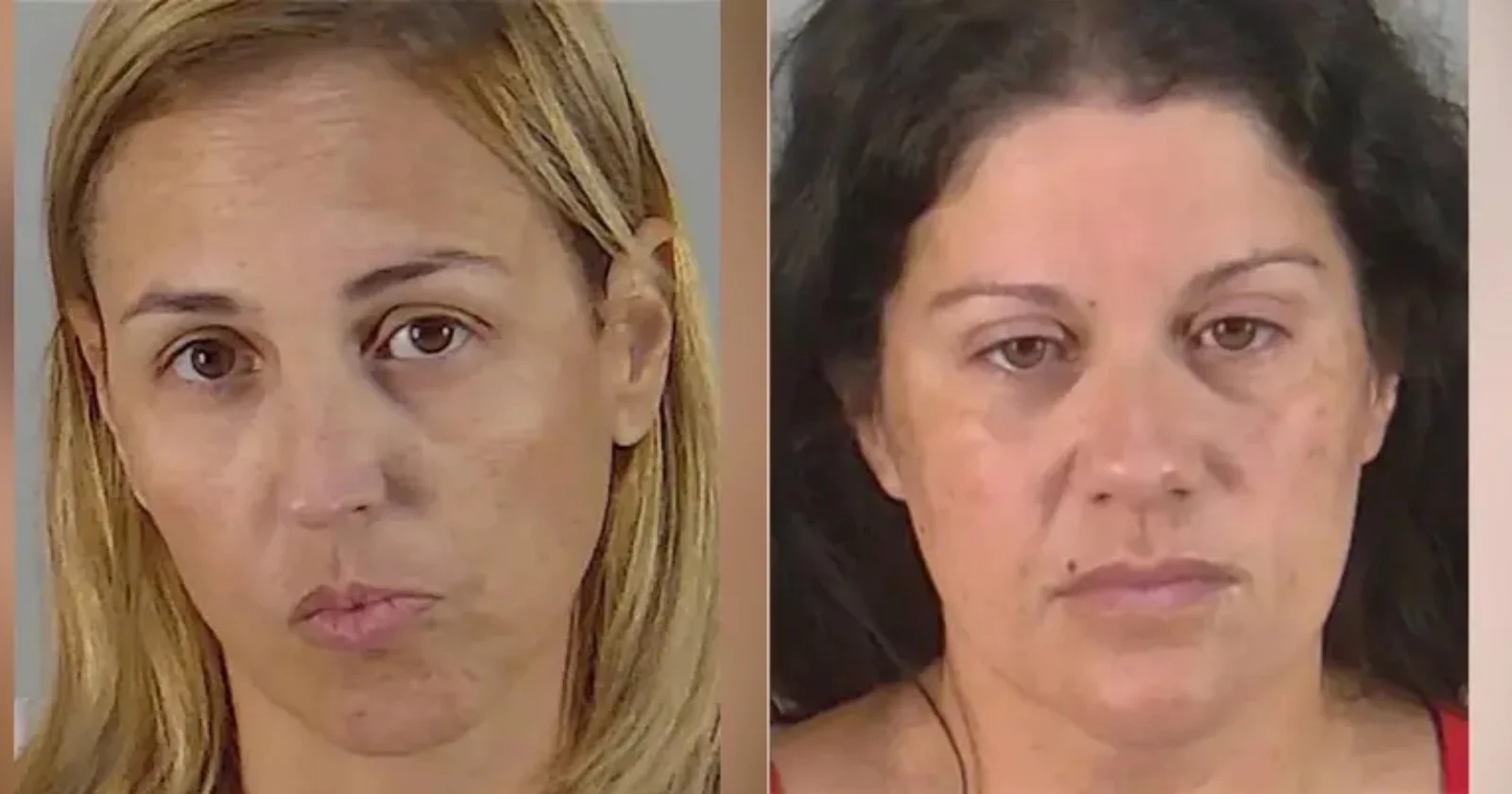
Two Lake County charter school principals were arrested on DUI charges hours apart on the Fourth of July, both tied to the same white Jeep. Bodycam video shows the second principal was pulled over again around 5 a.m., after being sent home earlier.

7/16/2026
NIL is now a fact of life in college sports. If Texas lets high school athletes get paid too, Dallas-area coaches warn it would gut neighborhood programs, create super teams, and push more coaches out of the profession. Here is what they are saying.

7/16/2026
The 5th Circuit lifted the decades-old desegregation mandate over Concordia Parish, a case dating to 1965. Supporters call it local control restored. Civil rights groups call the orders still-needed tools. Here is what the ruling does.
7/15/2026
Steinbrenner High valedictorian Vaibhav Bhaskar finished with a record 11.99 weighted GPA by stacking 20 AP classes and 24 dual-enrollment courses. Hillsborough County is now capping GPAs so no one can do it again. Here is why.

7/15/2026
The FCC has opened a review of E-Rate, the 1990s program that gives schools and libraries discounted internet, citing a goal of limiting student screen time. Educators, especially in rural districts with one provider, are bracing for the funding to shrink.
7/14/2026
The new state budget quietly rewrote how North Carolina licenses teachers: no more admissions tests for teacher-prep programs, more time for new teachers to pass exams, and an easier path for out-of-state hires. Here is what each change actually does.
7/13/2026
Lehman Catholic High School in Sidney, Ohio is dropping Mondays, citing teacher burnout and a chance for students to do college prep, tutoring, and real work experience. Here is what the school said, and how it fits a fast-growing trend.
7/13/2026
In one of the first federal K-12 admissions settlements under the Trump administration, the Justice Department has forced Jersey City to scrap the racial-quota system at Dr. Ronald E. McNair Academic High School, a top-ranked New Jersey magnet school.
7/12/2026
Under a new Indiana law, a school must earn an 'A' on the state's accountability scale, among other requirements, before it can apply to run a four-day week. The state's only four-day school is a high-poverty elementary that has never earned one.
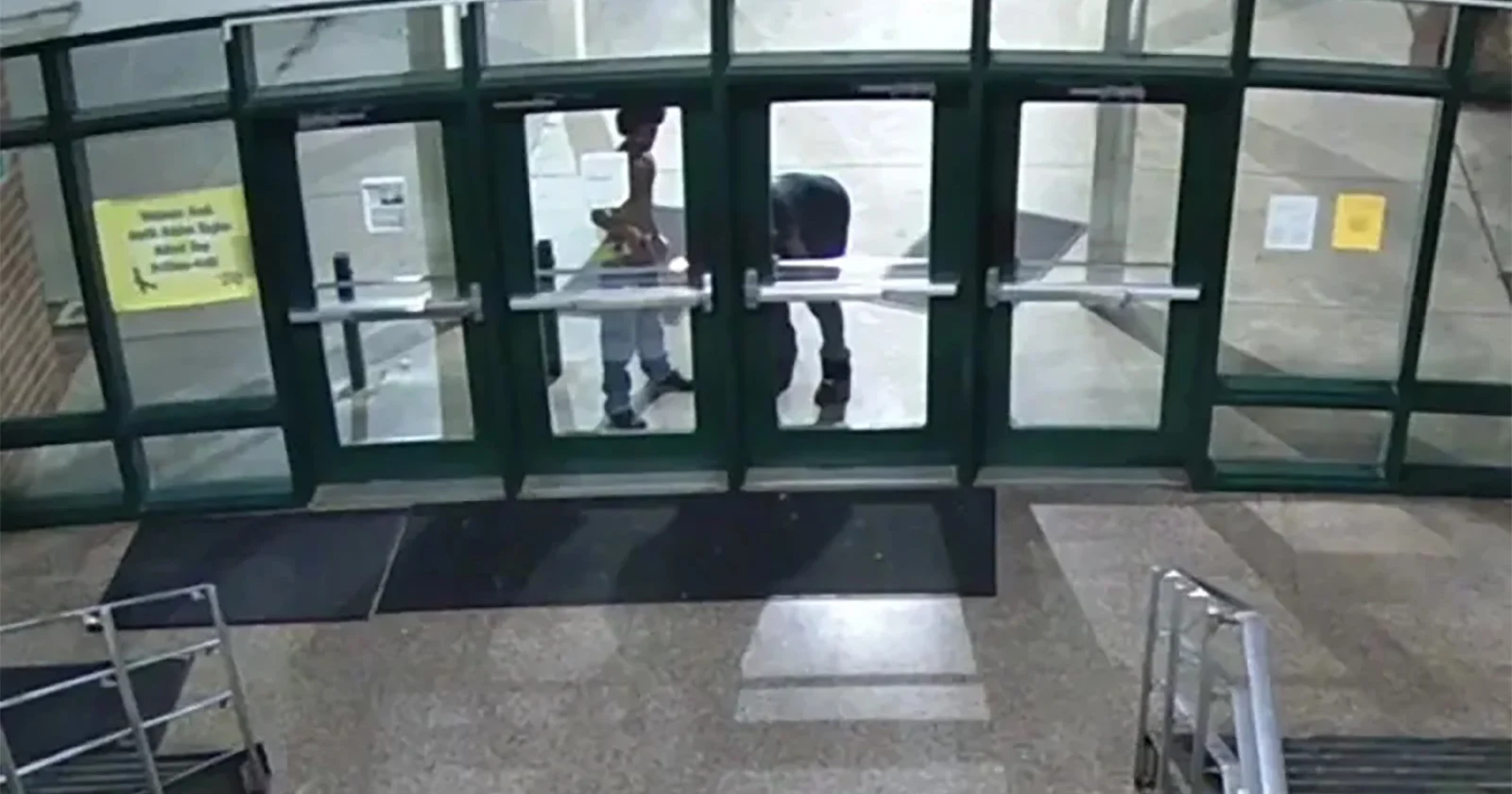
7/11/2026
Authorities say a homemade device that court records call a plasma cannon was used to burn a bush and damage a door at Ben L. Smith High School in Greensboro before a group broke in. Two 18-year-olds face felony charges; a juvenile was released to a parent.

7/10/2026
New Jersey's 2027 budget sends districts a record $12.4 billion in state aid, but leaders say it will not cover soaring health-insurance premiums and other rising costs. Many are again facing staff and program cuts weeks before school starts.

7/9/2026
The cost of covering employee healthcare has risen astronomically for Georgia school systems over 16 years, from about $2,000 per worker a year in 2010 to more than $23,000 now. Districts say it is forcing tradeoffs that reach students.
7/8/2026
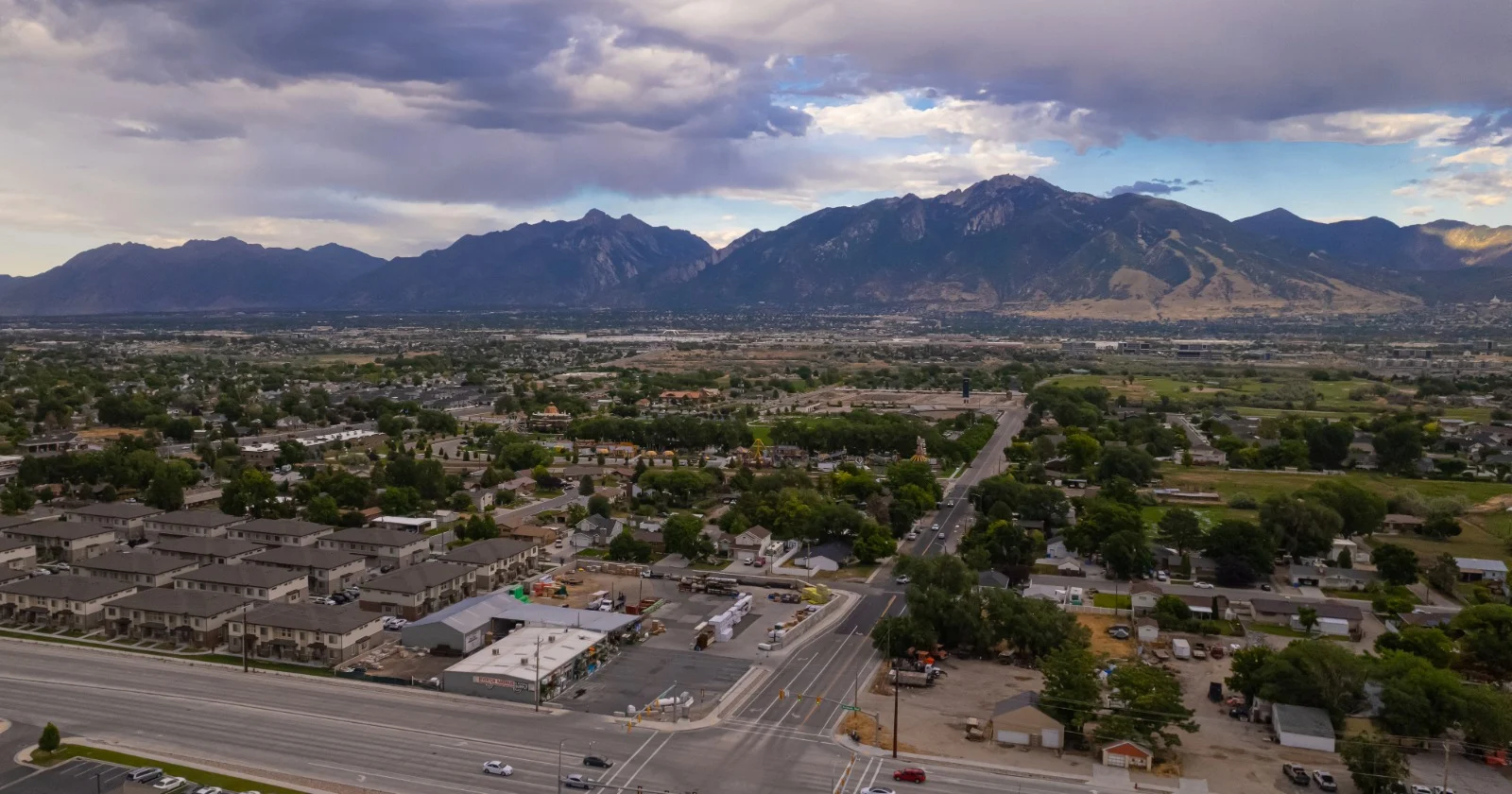
Utah has revoked the license of Provo Canyon School's Springville facility, a residential treatment facility where Paris Hilton has said she was abused as a teenager, saying it failed to provide adequate health and safety services. All services must end by Aug. 6.

7/8/2026
A Katy ISD residency check drew scrutiny after a district official and a police officer entered a family's home and a child's bedroom while the boy was home alone. The district calls it routine; the mother says she was never notified.
7/7/2026
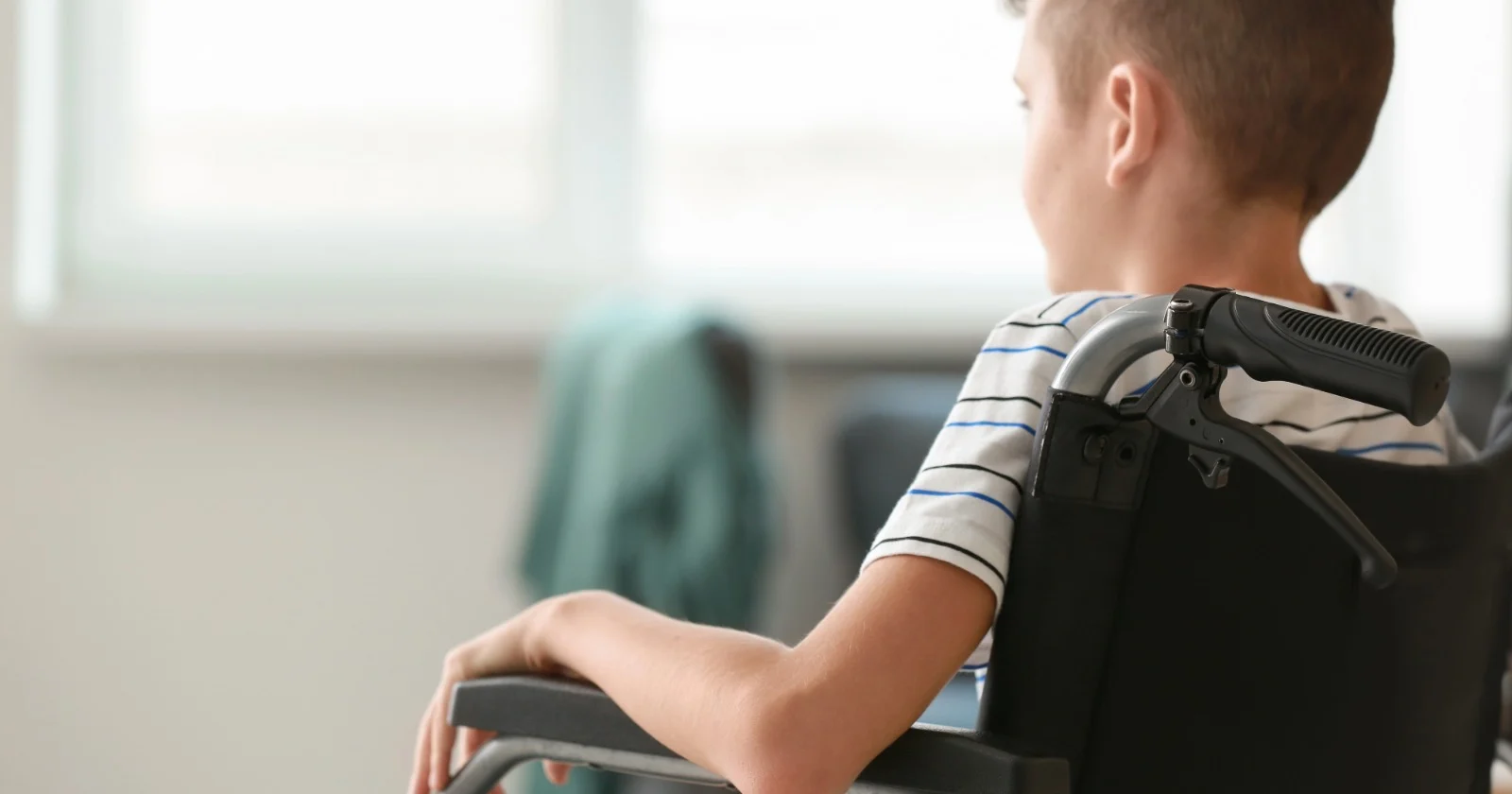
Texas advertised up to $30,000 a year in private-school vouchers for students with disabilities. State records show that out of about 28,700 approved students, fewer than 25 got the full amount, and most were awarded less than $20,000.
7/6/2026
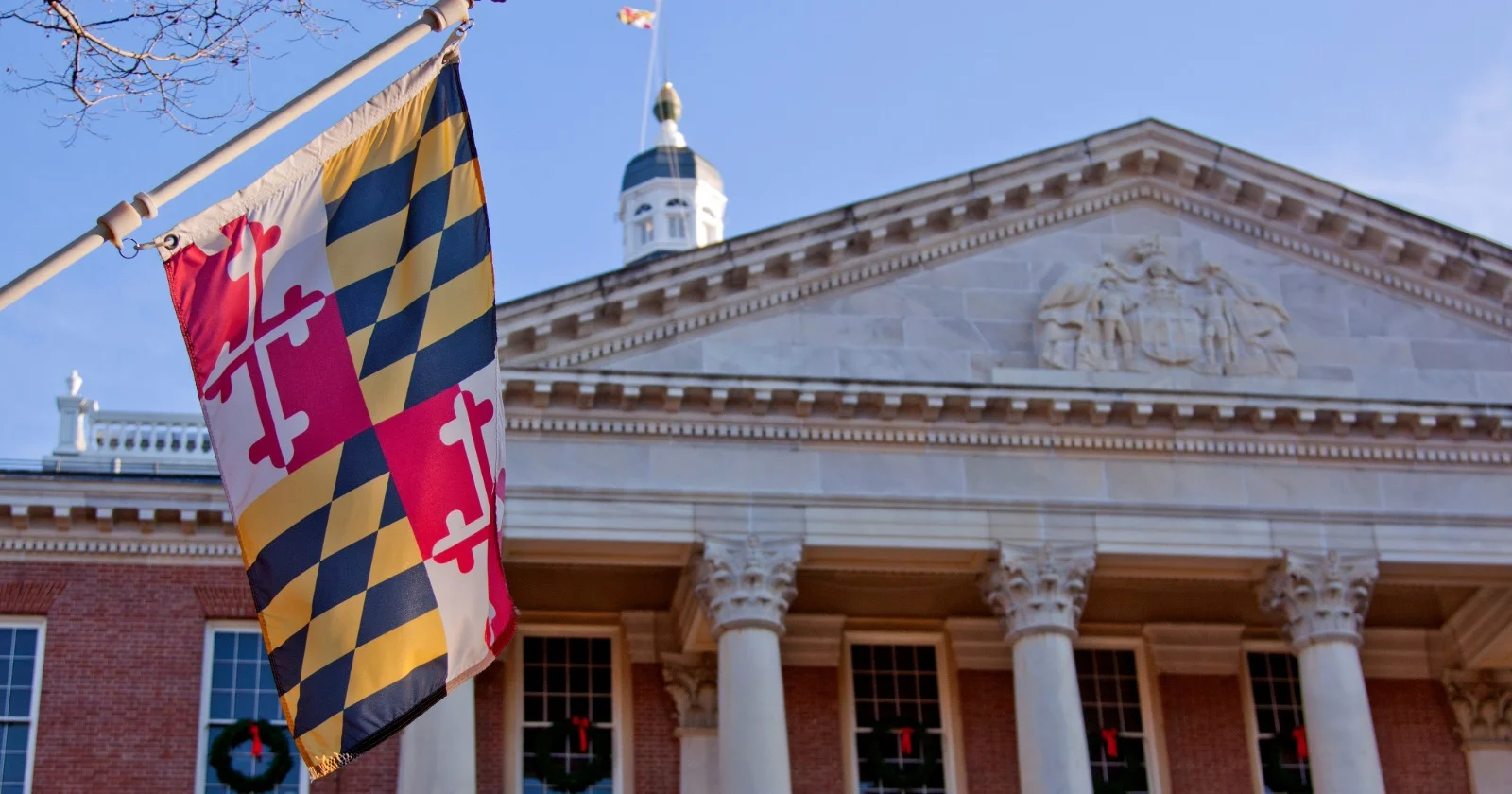
Under a new state law, Maryland's 24 school districts must adopt classroom AI policies by this fall, guided by recommendations the state education department just released. Some districts are already piloting tools.
7/6/2026
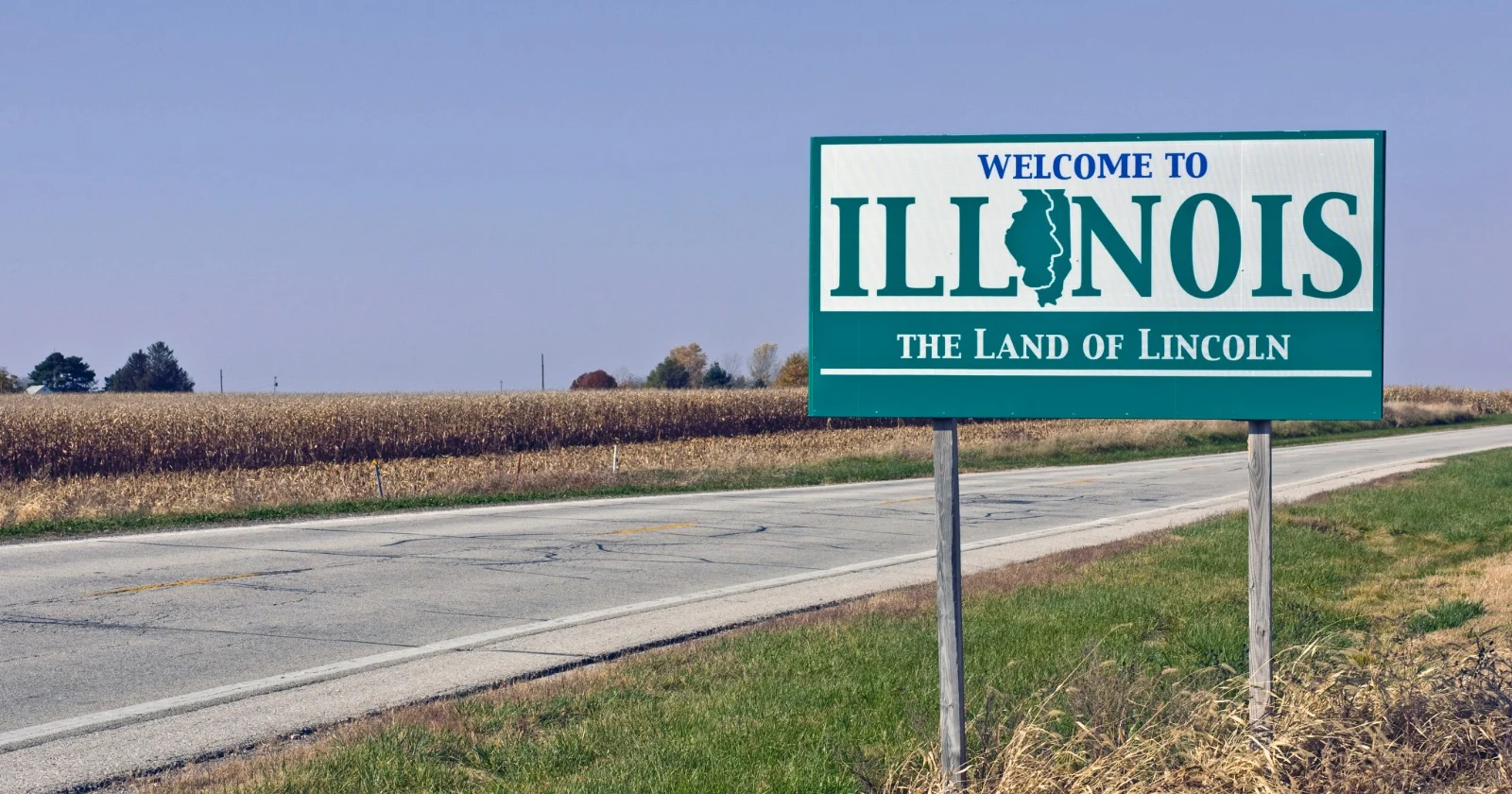
If you are house-hunting around Chicago and trying to read the schools before you sign anything, here is the honest version. Illinois's strongest districts cluster in the affluent suburbs northwest and west of the city, and the gap between them and the big urban districts is real. Here is the ranking, by test scores, with the district-type traps spelled out.

7/5/2026
Magnet schools are free public schools with a specialized focus, and most of them admit students by lottery or by criteria like test scores and auditions. Here is the plain-English version of how the process works, what the weighted lottery really means, and the handful of moves that actually improve your kid's odds.
7/4/2026
Florida released its 2025-26 school grades, with 76% of schools statewide earning an A or B and failing schools continuing to decline. Palm Beach, Martin, Indian River and St. Lucie counties all earned A district grades; Okeechobee earned a C.
7/3/2026
A Georgia English teacher who said she was pushed out of her job over a private social media post about Charlie Kirk has reached a confidential settlement with the Oglethorpe County School District, ending a federal free-speech lawsuit.
7/3/2026
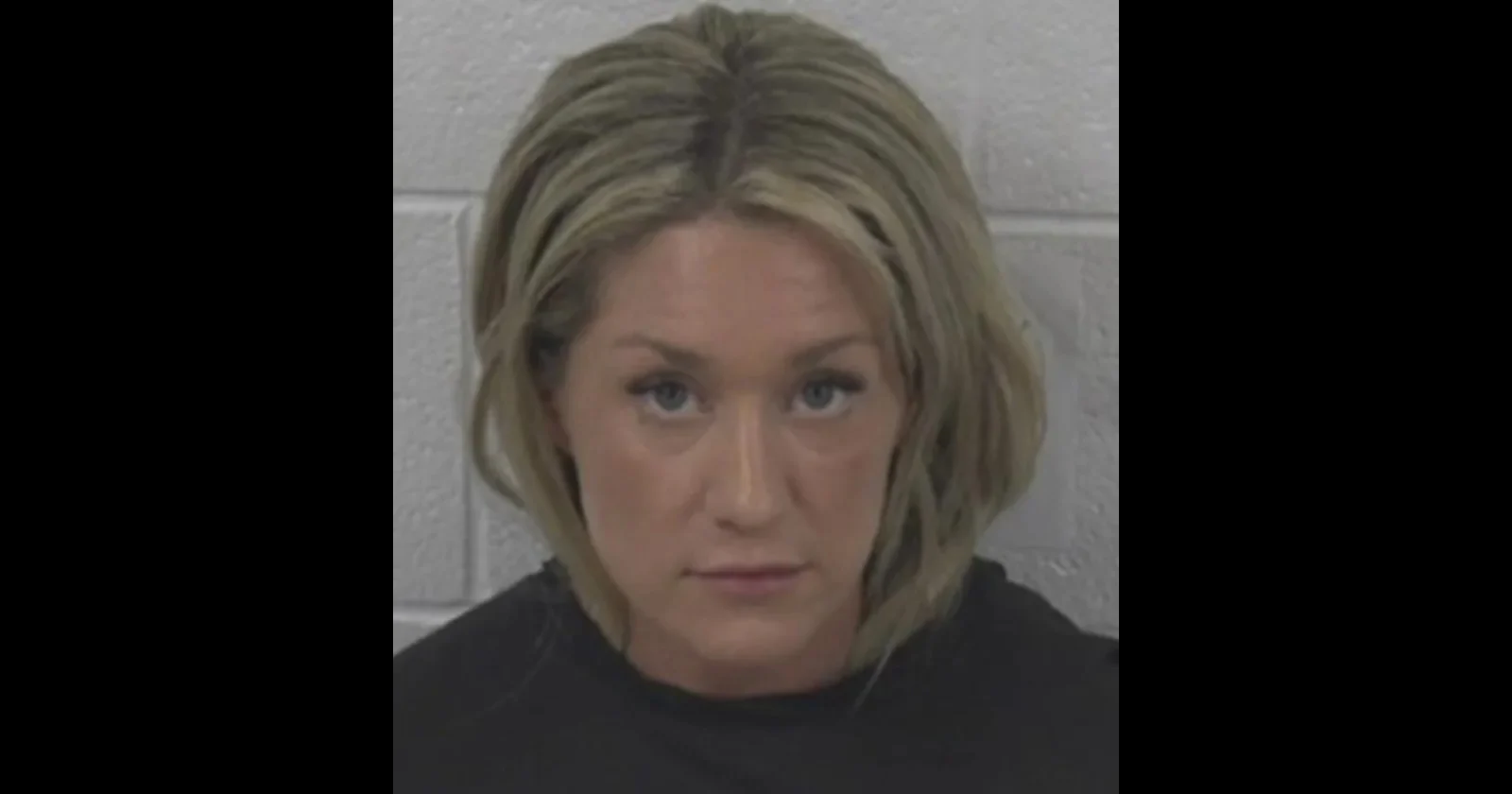
A former counselor at Orange High School in Hillsborough, North Carolina, turned herself in and was charged with sex crimes involving students, according to the Orange County Sheriff's Office. She has not entered a plea.

7/2/2026
A fire gutted the 109-year-old Lincoln Avenue School on Milwaukee's south side. With the school year two months away, the district has to find a home for about 500 students and dozens of staff.

7/1/2026
The nation's second-largest school district approved strict new limits on classroom screen time, banning it for early grades and capping it for everyone else. The rules phase in from August 2026 through January 2027.

7/1/2026
If you are house-hunting in San Diego County and trying to read the schools before you read the listings, here is the district picture in plain numbers. The north-coast corridor and Poway lead, the giant San Diego Unified is a coin-flip that depends entirely on the school, and the south and east skew higher-poverty.
6/30/2026
FuturEdge Charter Academy in North Las Vegas may lose its charter after defaulting on the bond it used to buy its building. Here is what is happening to its 318 families, and what every charter-school parent should take from it.

6/26/2026
You do not always have to move to change your child's public school. Open enrollment lets families apply to schools outside their zone, but the rules vary by state and the transportation catch trips up a lot of parents. Here is how it actually works.

6/25/2026
In California your home address assigns you a school district, so in Orange County the district you buy into really does matter. Here is how OC's districts rank on state test scores, plus the smaller ones quietly outperforming the famous names.

6/22/2026
Your child comes home and says their teacher is mean. Before you fire off an email, sort out what you are actually dealing with. Here is how to tell ordinary friction from real harm, and exactly what to do about each.
6/19/2026
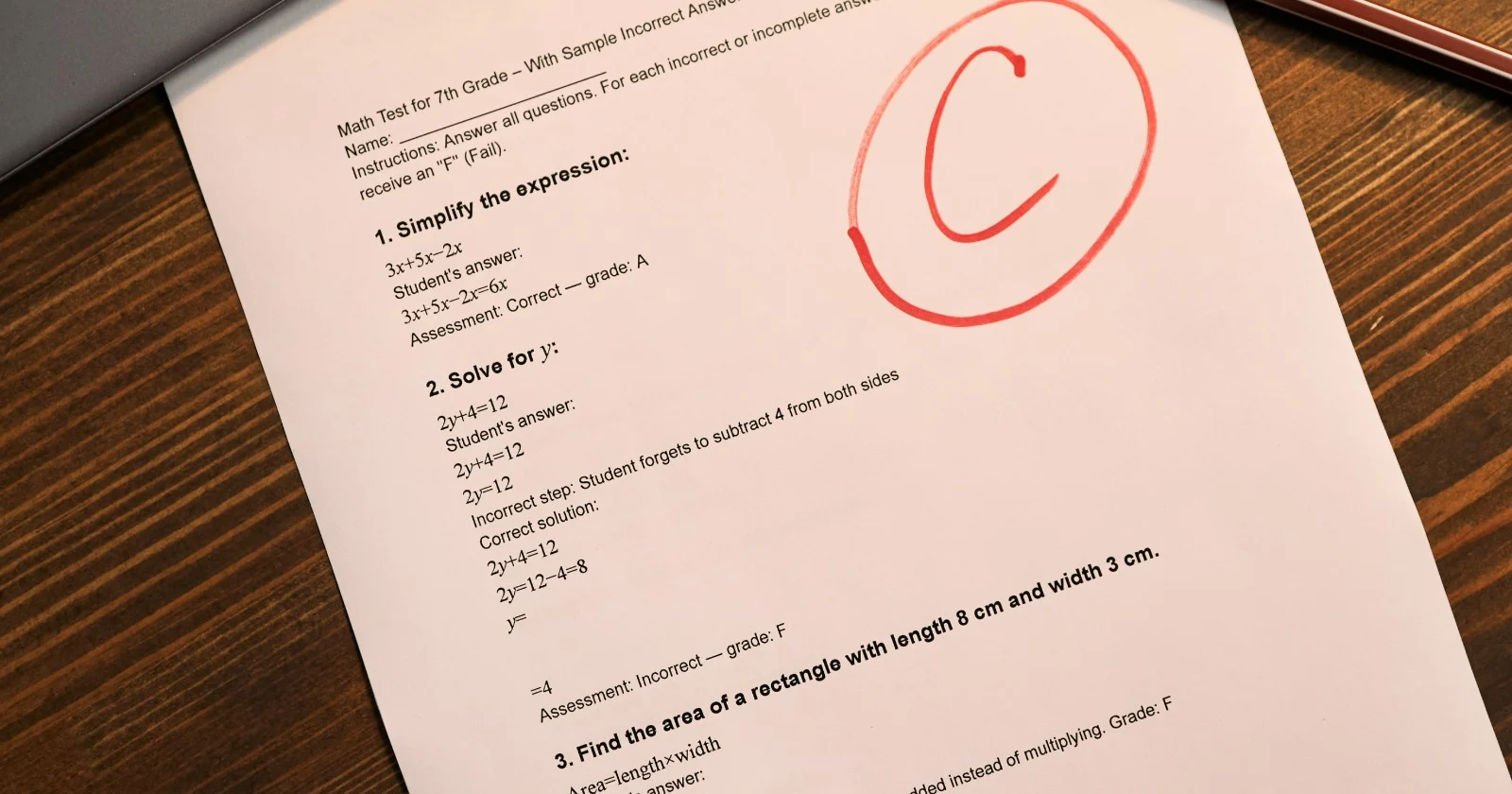
The state test report comes home in the fall and most parents have no idea what to do with it. Here is what proficient actually means, why one year is not a verdict, and the difference between a score and a growth measure that schools rarely explain well.
6/11/2026
The hardest part of identifying a learning disability in your own child is the gap between knowing something is wrong and knowing what it is. Most parents arrive at the question not through sudden revelation but through accumulation: a teacher's comment here, a pattern of frustration there, months of watching a child work twice as hard as their peers for half the result. By...

6/7/2026
The accusation of favoritism is one of the most uncomfortable a teacher can receive, partly because it's hard to disprove and partly because it forces you to examine your own behavior in ways that aren't always comfortable. A parent who believes their child is being treated unfairly compared to classmates is already in a defensive posture when they contact you, and the wrong response in the first thirty seconds can turn a manageable complaint into a formal grievance...

6/5/2026
In school, K-12 means the full range of grades from kindergarten through 12th grade. It is used to describe the complete span of American public education, from the first year of formal schooling through the last year of high school. When a school, district, program, or policy describes itself as K-12, it means it applies to or serves students across all those grades, rather than focusing on just elementary, middle, or high school alone...

6/4/2026
K-12 stands for kindergarten through 12th grade. The K represents kindergarten, the starting point of formal public education in the United States, and the 12 represents 12th grade, the final year of high school. Together they cover the full span of compulsory public education, typically from ages 5 or 6 through 17 or 18...
6/3/2026
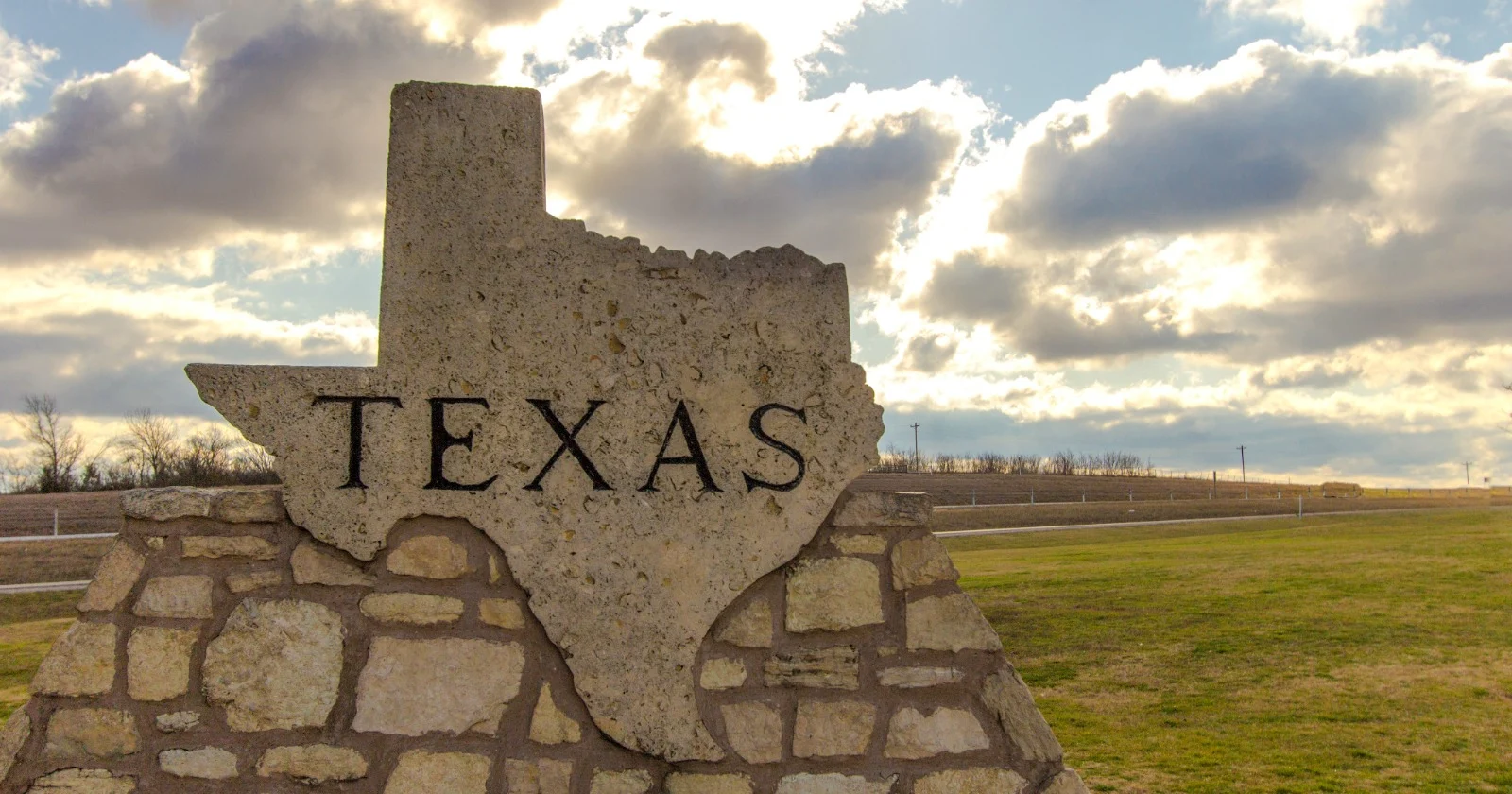
The answer to which school district in Texas ranks number one depends on which measure you use, but several of the most credible metrics point to the same district: Carroll ISD in Southlake. And while a handful of other districts make legitimate claims depending on the methodology, Carroll's consistency across multiple measures over multiple years gives it the strongest case for the top spot among Texas's 1,200-plus school districts...
6/1/2026
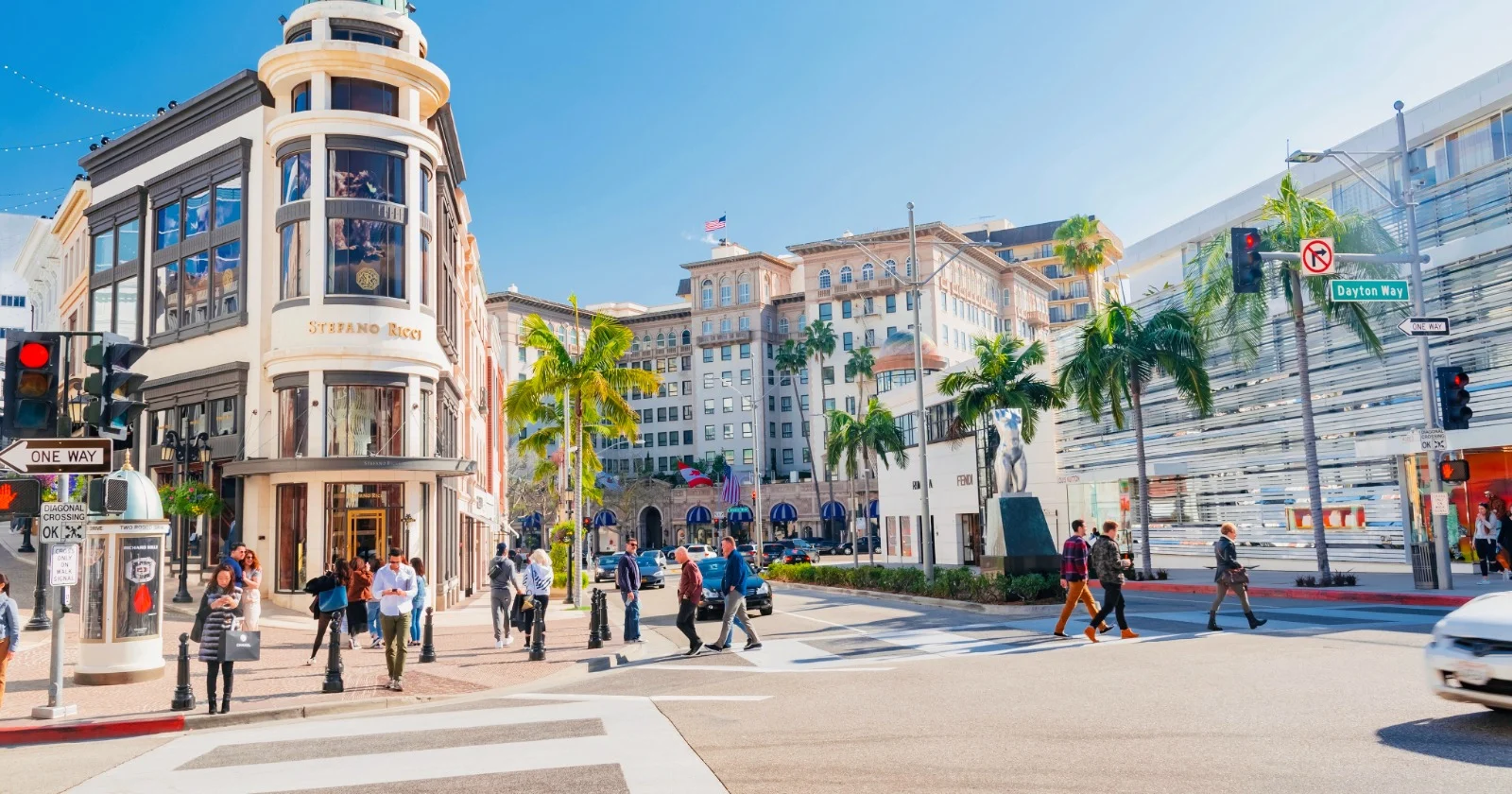
The question of which is the richest high school in California has two different answers depending on what you mean by rich. If you mean the school serving the wealthiest community by household income, the data points clearly to a cluster of small, exclusive communities in the San Francisco Bay Area where median household incomes exceed $400,000 and per-pupil spending runs more than double the state average. If you mean the school with the most funding, the answer is also in this same geography. And if you mean the school that turns that wealth into the strongest academic outcomes, the results are surprising in ways that challenge the assumption that money and school quality automatically align...
5/30/2026
School rezoning notices land like a small bomb in a family's routine. The school your child has attended for three years, the one where they know the teachers and the hallways and which lunch table is theirs, is no longer their school. Next fall they go somewhere new, not because anything went wrong, but because a district redrew lines on a map...
5/28/2026
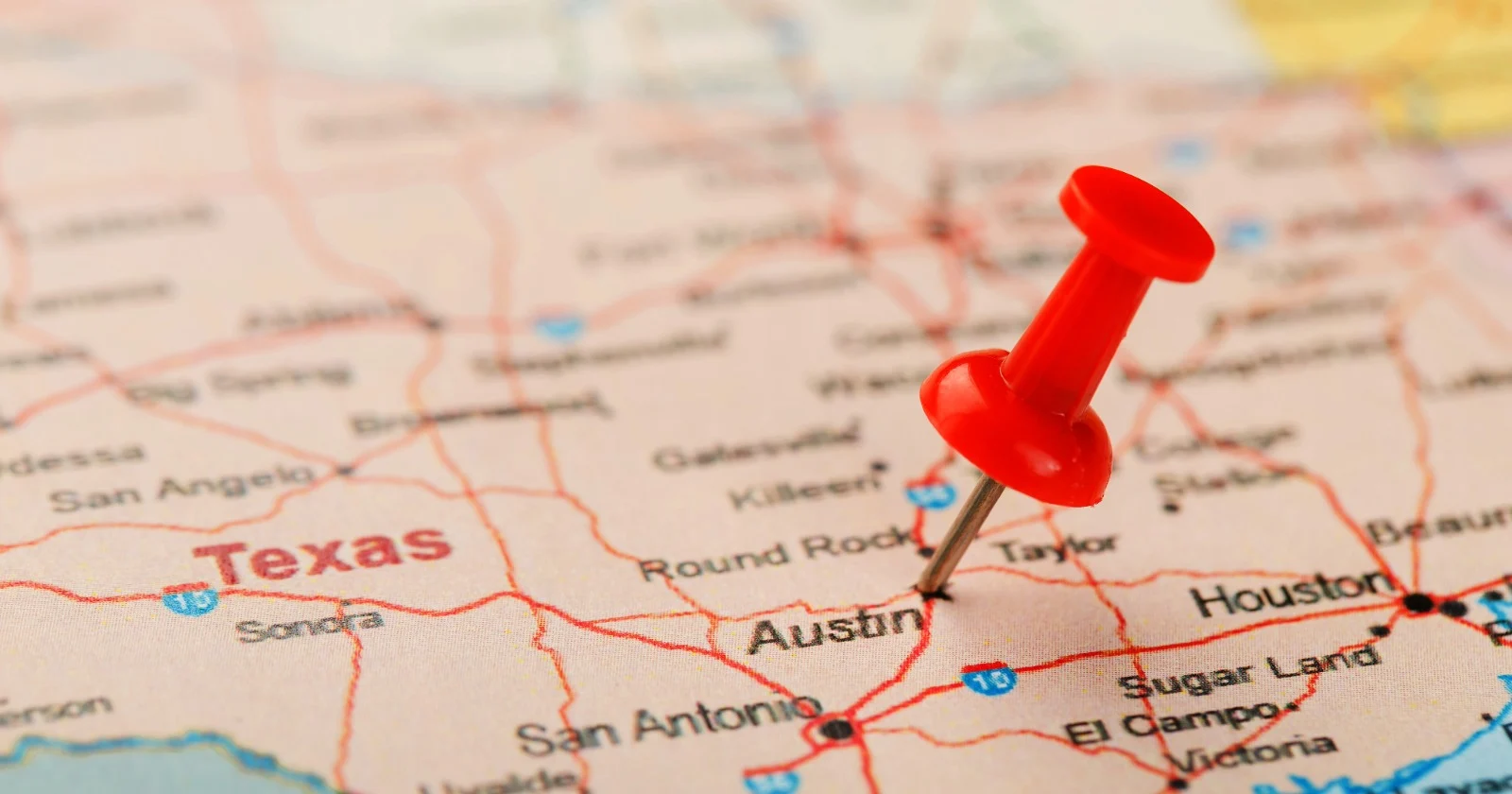
California to Texas is the largest state-to-state migration corridor in the United States. According to Texas Realtors' 2024 Relocation Report, approximately 102,000 Californians moved to Texas in 2022 alone, and...

5/25/2026
Every student will eventually have a teacher who is short-tempered, dismissive, sarcastic, or just plain unpleasant to be around. It's one of those unavoidable parts of school that nobody puts in the brochure. How you handle it matters, not just for your grade in that class, but for the skill you're building of navigating difficult people, which is going to come up for the rest of your life.

5/24/2026
Gwinnett County is the largest school district in Georgia and one of the twenty largest in the United States, with 149 public schools serving approximately 195,000 students across 15 cities. The county's 27 high schools range from some of the strongest academic performers in metro Atlanta to schools struggling well below state averages, and the variation between them is...
5/23/2026
Chronic absenteeism, defined as missing 10% or more of the school year, affected roughly 26% of American students in the 2022-23 school year, nearly double the pre-pandemic rate. That means in a classroom of 30 students, an average of 7 or 8 are missing enough school to put them at measurable academic risk. For teachers, this creates a specific and underappreciated problem: how do you teach students who are regularly not there, and what can you actually do to change it?
5/19/2026
Orange County is home to 639 public schools serving a county population of 3.17 million, making it the third-largest school county in California by school count after Los Angeles and San Diego. The county's school landscape is more varied than its affluent reputation suggests, with some of the highest-performing public schools in the state sitting alongside districts that serve predominantly low-income communities with outcomes well below county and state averages. For families relocating to Orange County or moving...

5/17/2026
The question used to be simpler. A generation ago, "should I go to college" had a fairly reliable answer for most people: yes, go, the degree pays off, the alternative is worse. That answer was never universally true, but it was true enough often enough that it functioned as reasonable default advice. In 2026 it's...
5/16/2026
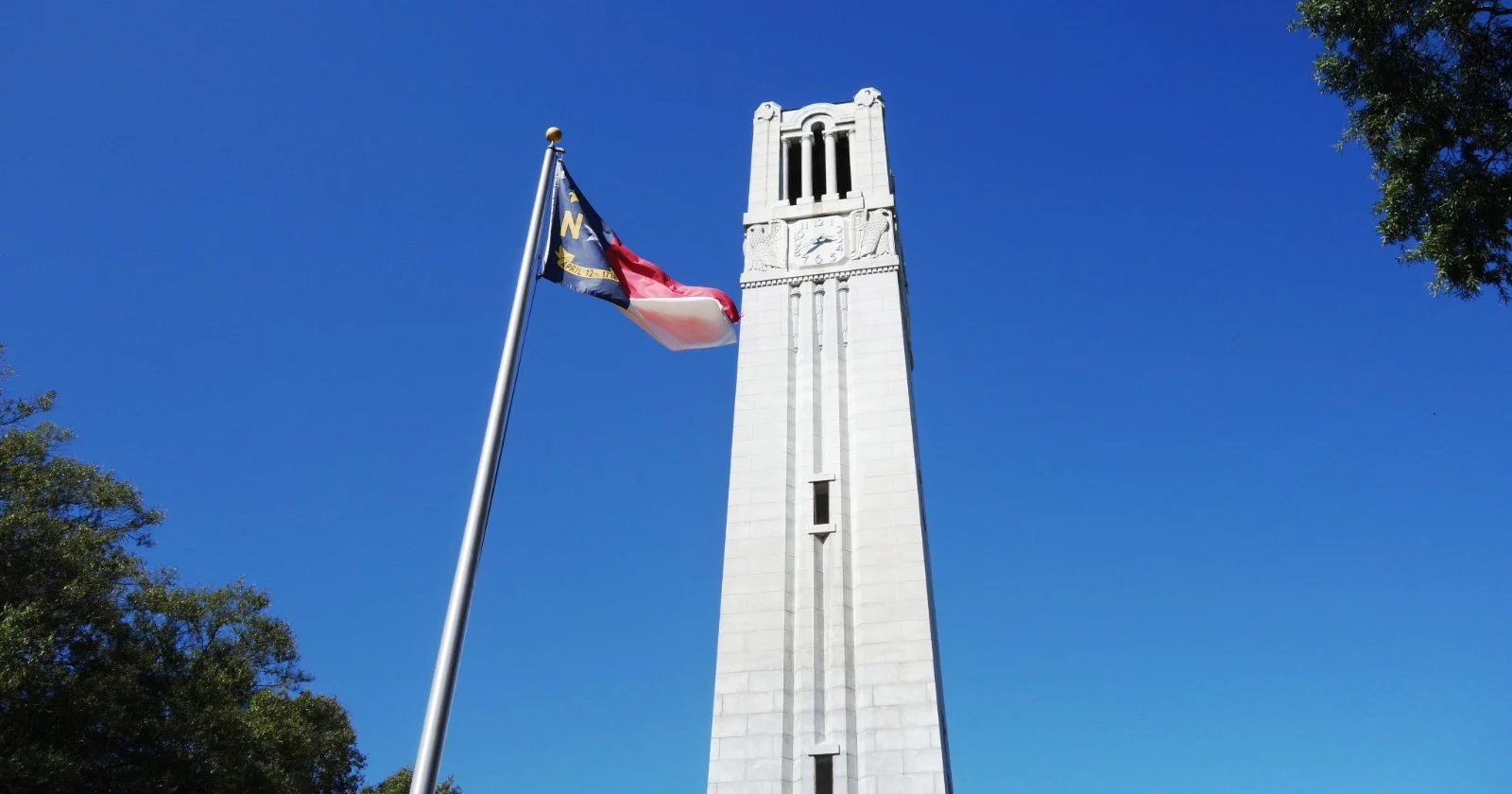
North Carolina has 2,768 public schools across 100 counties, and the variation in school quality between those counties is significant enough that where you live in the state shapes your child's educational experience as much as any other factor. The state average for reading proficiency in 2024-25 sits at 50.9 percent meeting or exceeding grade level, which means roughly half of North Carolina students are performing below grade level on state assessments. But...

5/13/2026
The Phoenix metro is one of the fastest-growing regions in the United States, and its suburban school landscape is more complex than most relocation guides suggest. Maricopa County alone has 1,323 public schools serving a population of 4.56 million people, and the variation in academic quality across the metro is significant enough that city-level generalizations miss the real picture. Arizona also has one of the most extensive charter school sectors in the country, which adds another layer of complexity: the assigned public school is often not the only option, and some of the strongest academic programs in each suburb operate as charter schools rather than traditional district schools...
5/11/2026
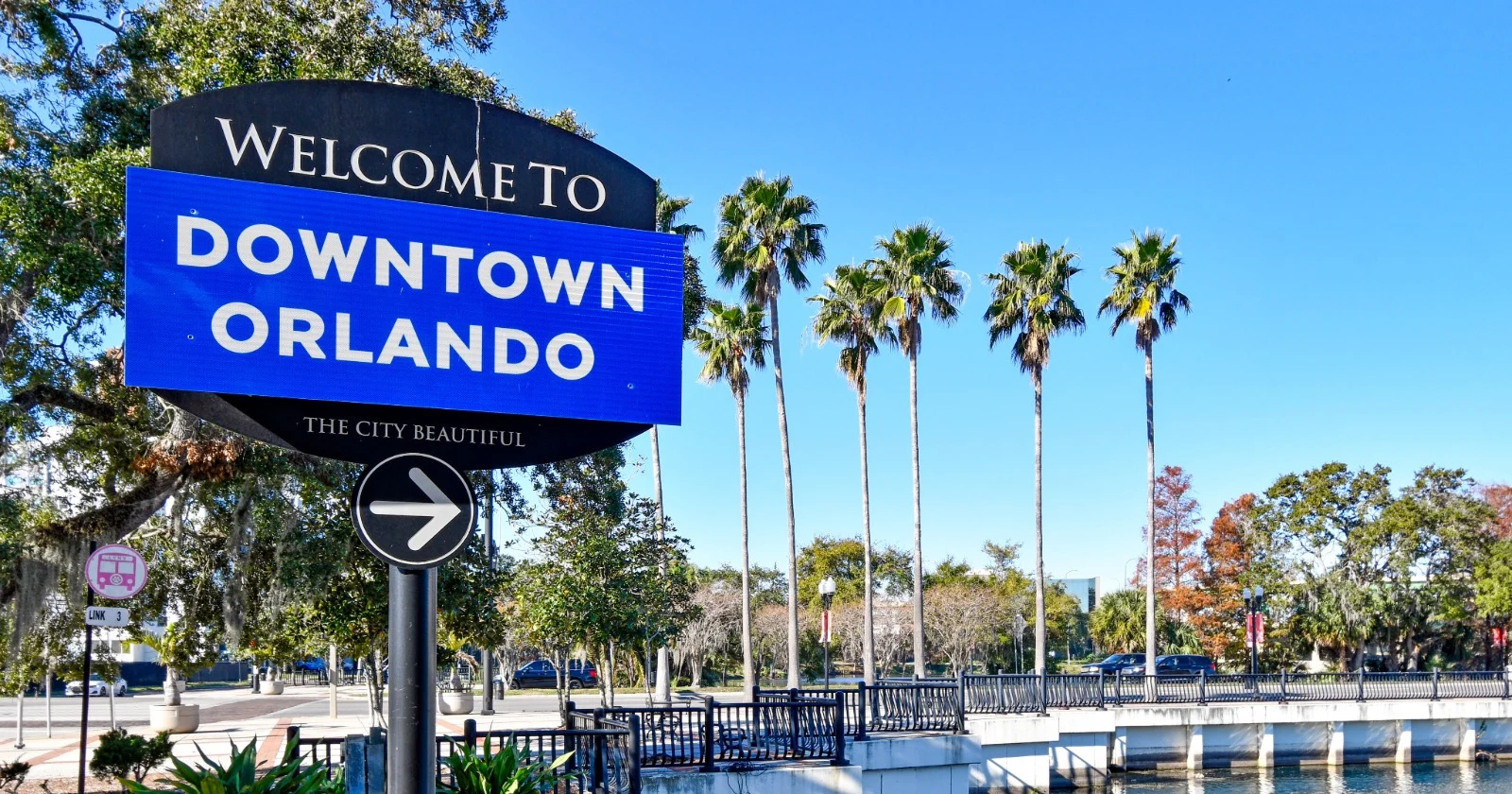
The Orlando metro has become one of the fastest-growing regions in the country, and families relocating to central Florida face a school landscape that is more varied and more geographically complex than it first appears. Five counties surround Orlando with meaningfully different school district profiles, and within those counties, the variation between attendance zones can be significant. The suburb that works best depends heavily on where you need to commute, what your housing budget looks like, and which specific schools you'd be zoned for.

5/10/2026
The Dallas-Fort Worth metroplex is one of the fastest-growing regions in the United States, and a significant share of the families relocating there each year are making housing decisions with school quality as the primary filter. The suburbs surrounding Dallas have developed some of the most recognized school districts in Texas, and in some cases in the country, over the past two decades. The challenge is that the DFW school landscape is large, varied, and changes faster than most relocation guides can keep up with.
5/9/2026
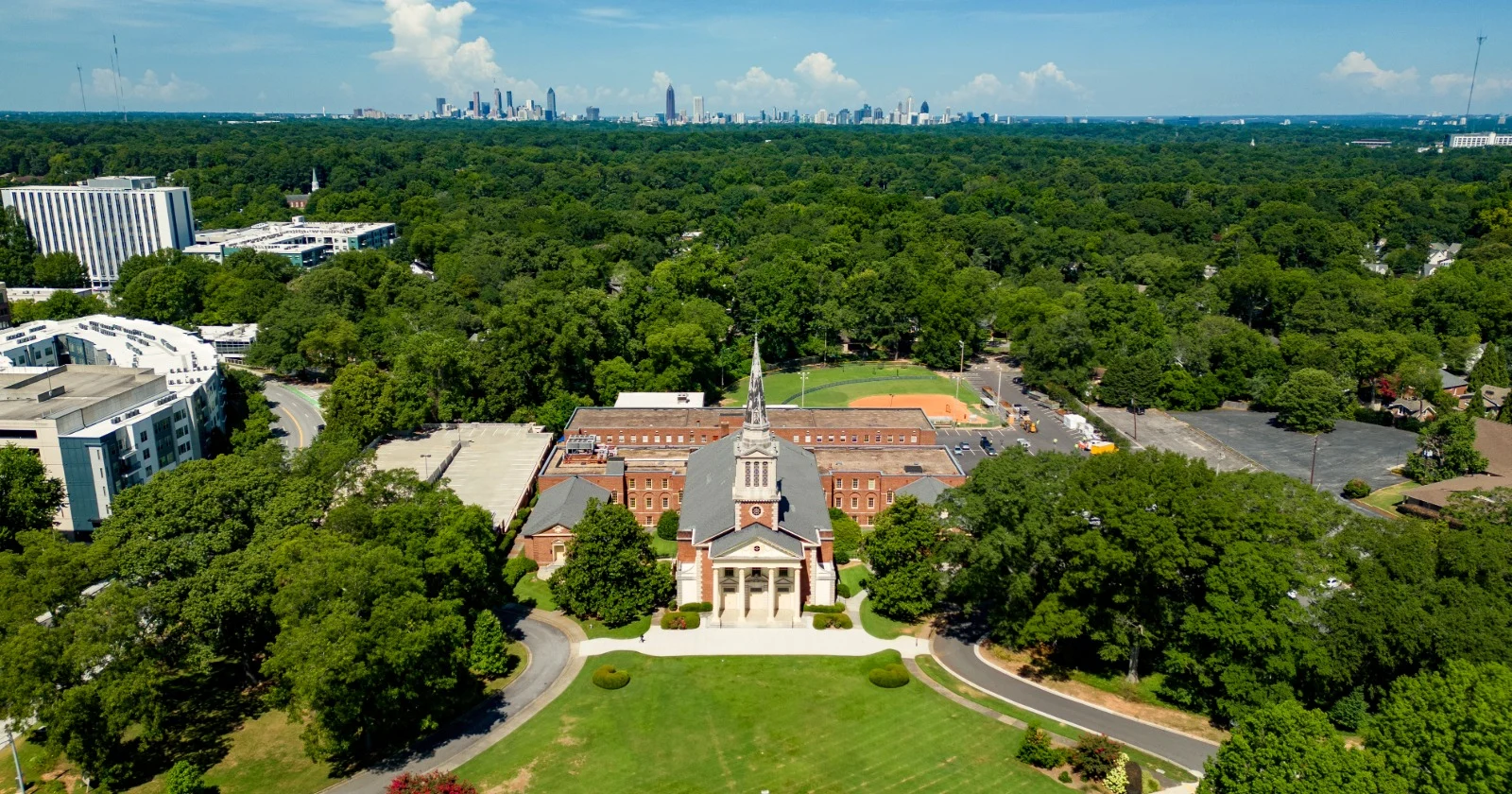
For families relocating to Georgia or moving within the state, school quality is often the deciding factor between cities that otherwise look similar on paper. Georgia's metro Atlanta suburbs in particular have developed reputations as school destinations over the past two decades, drawing families from across the country who are willing to pay more in rent or housing costs to land in a specific district or attendance zone...

5/8/2026
The idea makes a lot of adults uncomfortable in a way worth examining. Students grading teachers sounds like it inverts a hierarchy that exists for good reasons, hands power to people who lack the experience to use it responsibly, and creates incentives for teachers to be popular rather than effective. Those objections are understandable. Some of them are also wrong, and the ones that have merit are more nuanced than the reflexive discomfort suggests...
5/7/2026
Most parents choose a school once and don't revisit the decision. The child enrolls in kindergarten, moves through the grades, and the school becomes part of the family's infrastructure in a way that feels permanent. Changing schools is disruptive. It means new routines, new social dynamics, new everything. The activation energy required to make that change is high enough that most families don't do it unless something goes seriously wrong.
5/3/2026
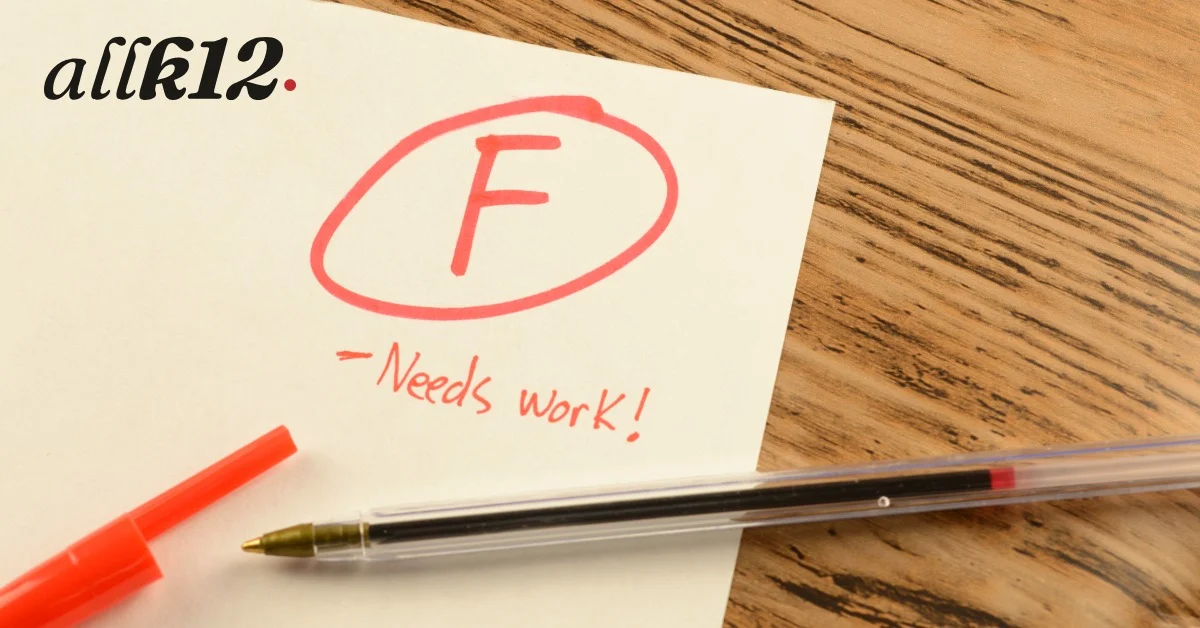
At some point in the last thirty years, failing a student became complicated in a way it wasn't before. Not impossible, not prohibited in most places, but complicated enough that many teachers feel the path of least resistance is to pass a student along and let the next grade level deal with the gap. The result is a system where grade retention has declined significantly even as academic performance has stagnated or declined, and where both the teachers and administrators involved generally know the promoted student isn't ready but promote them anyway...

5/2/2026
Report cards land and the number is worse than you expected. Maybe significantly worse. A GPA that slipped, a failed class, or a semester where your kid clearly checked out somewhere along the way. The first reaction for most parents is either alarm or frustration, sometimes both at once. Neither of those reactions is particularly useful in the first conversation, and the first conversation matters more than most parents realize...
4/28/2026
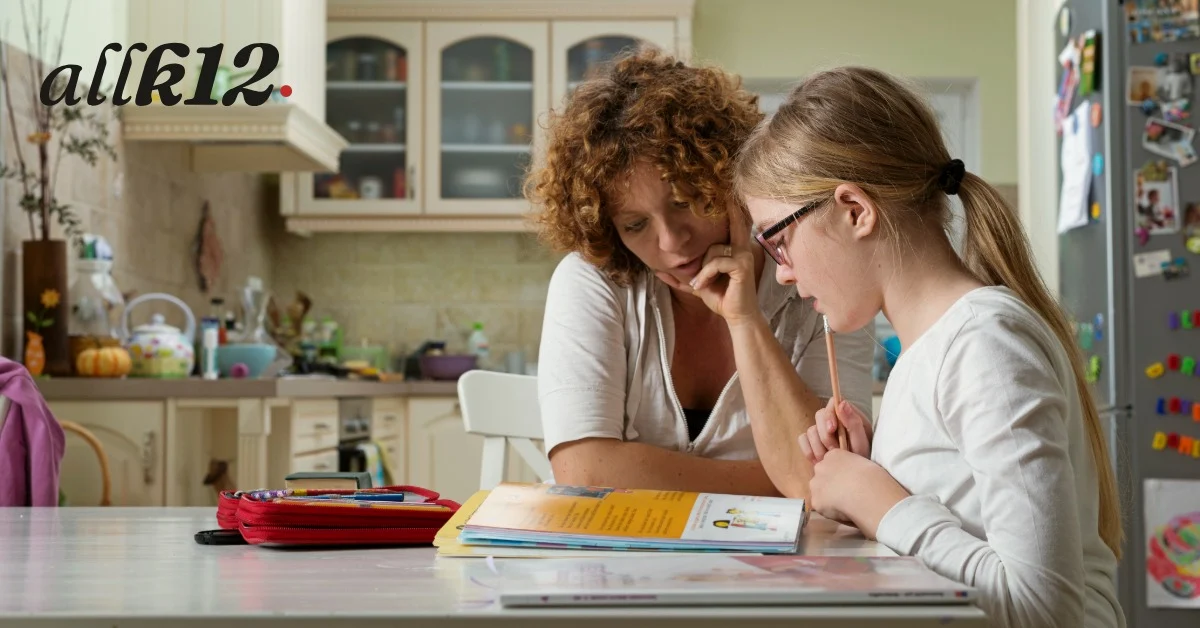
The homework folder comes home every Monday. Twenty minutes of reading, a math worksheet, maybe a spelling list. Parents sign the log, kids do it at the kitchen table, it goes back in the backpack. It feels productive. It feels like school is happening at home, which must be a good thing...
4/26/2026
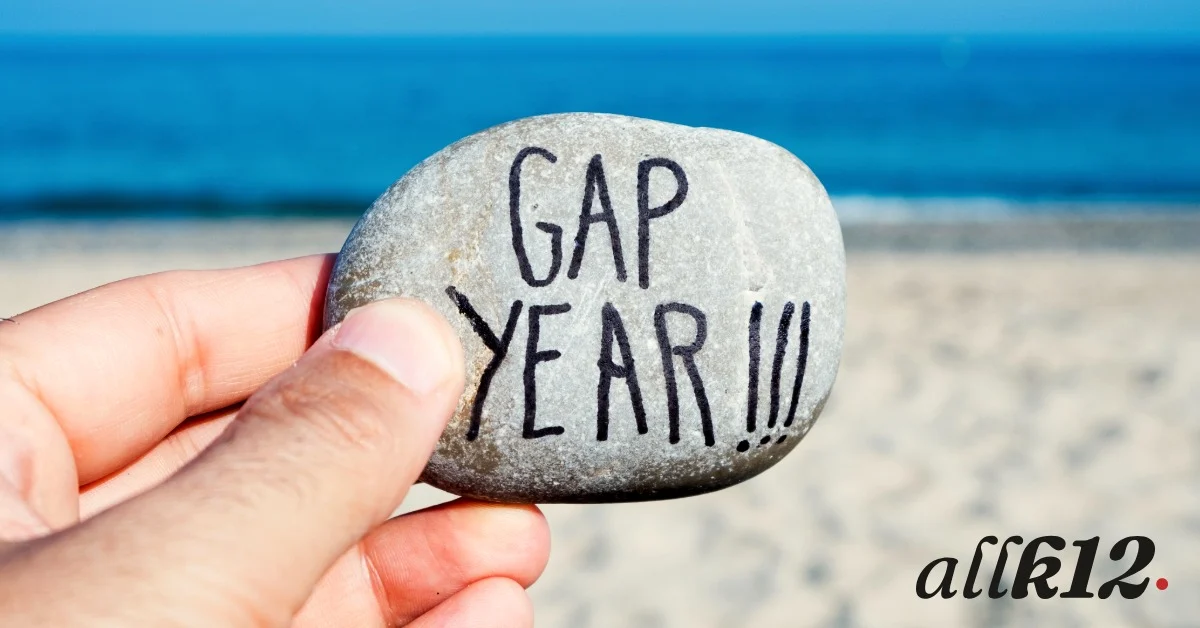
The gap year has a reputation problem that cuts both ways. In some circles it's a privileged rite of passage, a year of "finding yourself" that only works if your parents can fund it. In others it's a red flag, a sign that a kid isn't ready or motivated enough to go straight through. Neither of those framings survives contact with the actual data, which is messier and more interesting than either camp suggests...

4/23/2026
Every teacher has had this conference. You've documented the behavior, you have examples ready, you've thought carefully about how to frame it. And within sixty seconds of sitting down, the parent across from you has explained that their child would never do that, that other kids must be involved, that you may have misread the situation, and that their kid is actually having a really hard time at home right now so maybe the issue is on the school's end...

4/22/2026
At some point, most parents hear some version of it. "My teacher is so unfair." "She hates me." "He's the worst teacher in the school." Sometimes it comes out as a full meltdown in the car line. Sometimes it's a quiet, defeated statement at dinner that's harder to deal with than the meltdown...
4/20/2026
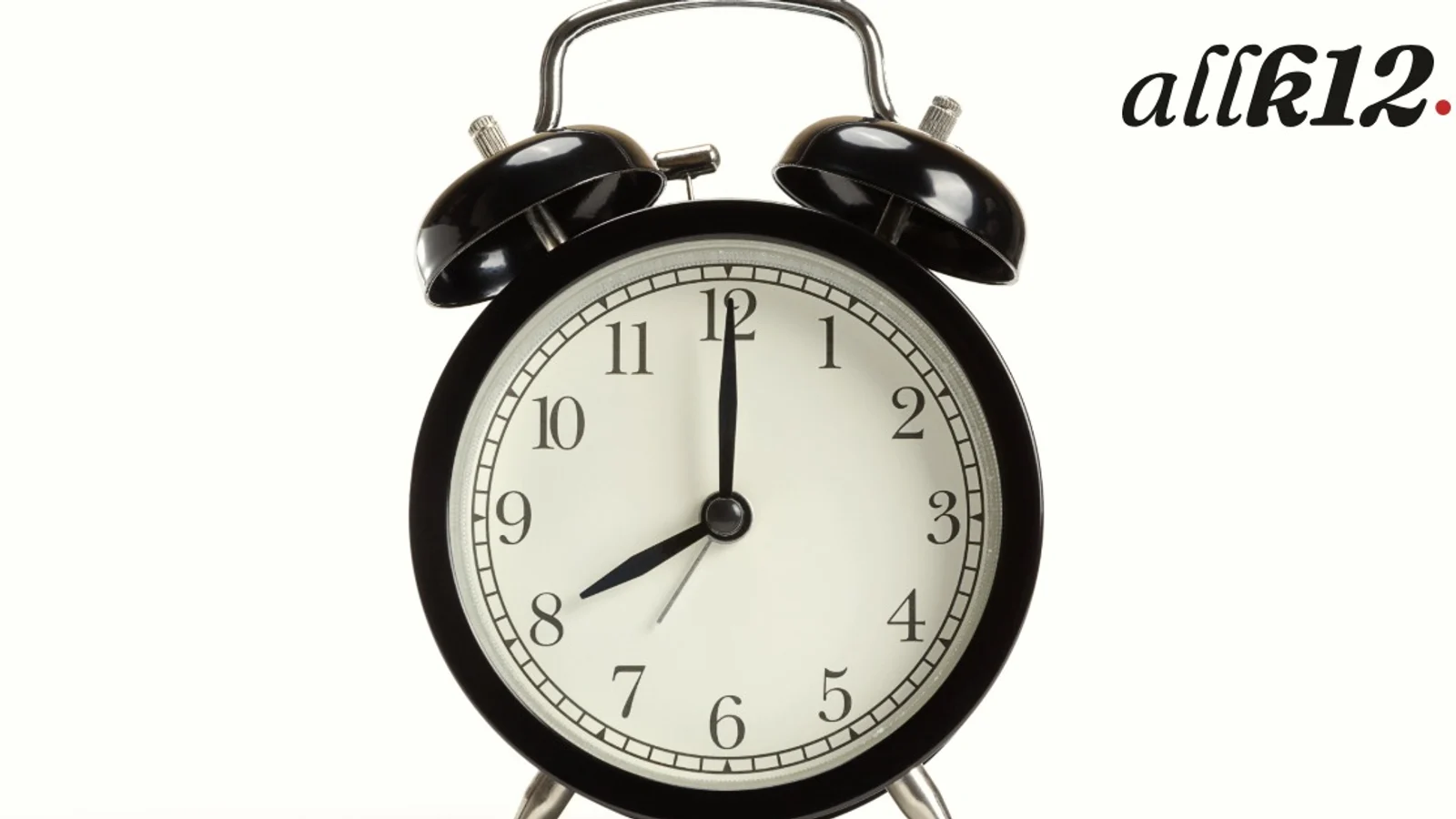
he American Academy of Pediatrics has recommended no earlier than 8:30 AM start times for middle and high schools since 2014. The CDC has said the same. So has the American Medical Association. And yet the majority of American high schools still start before 8:30. Most start before 8:00. A significant number start at 7:15 or earlier...