10/20/2026
U.S. News & World Report released its 2027 Best Elementary and Middle Schools rankings on October 20. Here are the No. 1 schools in the 15 most populous states, and the patterns behind them: gifted programs, wide grade spans, and a few districts that keep showing up.

10/17/2026
PISA 2025 tested 15-year-olds in 91 education systems, and U.S. students scored 490 in reading, 502 in science, and 463 in math. That put them above the OECD average in reading and science and level with it in math, where 19 systems scored measurably higher.
10/14/2026
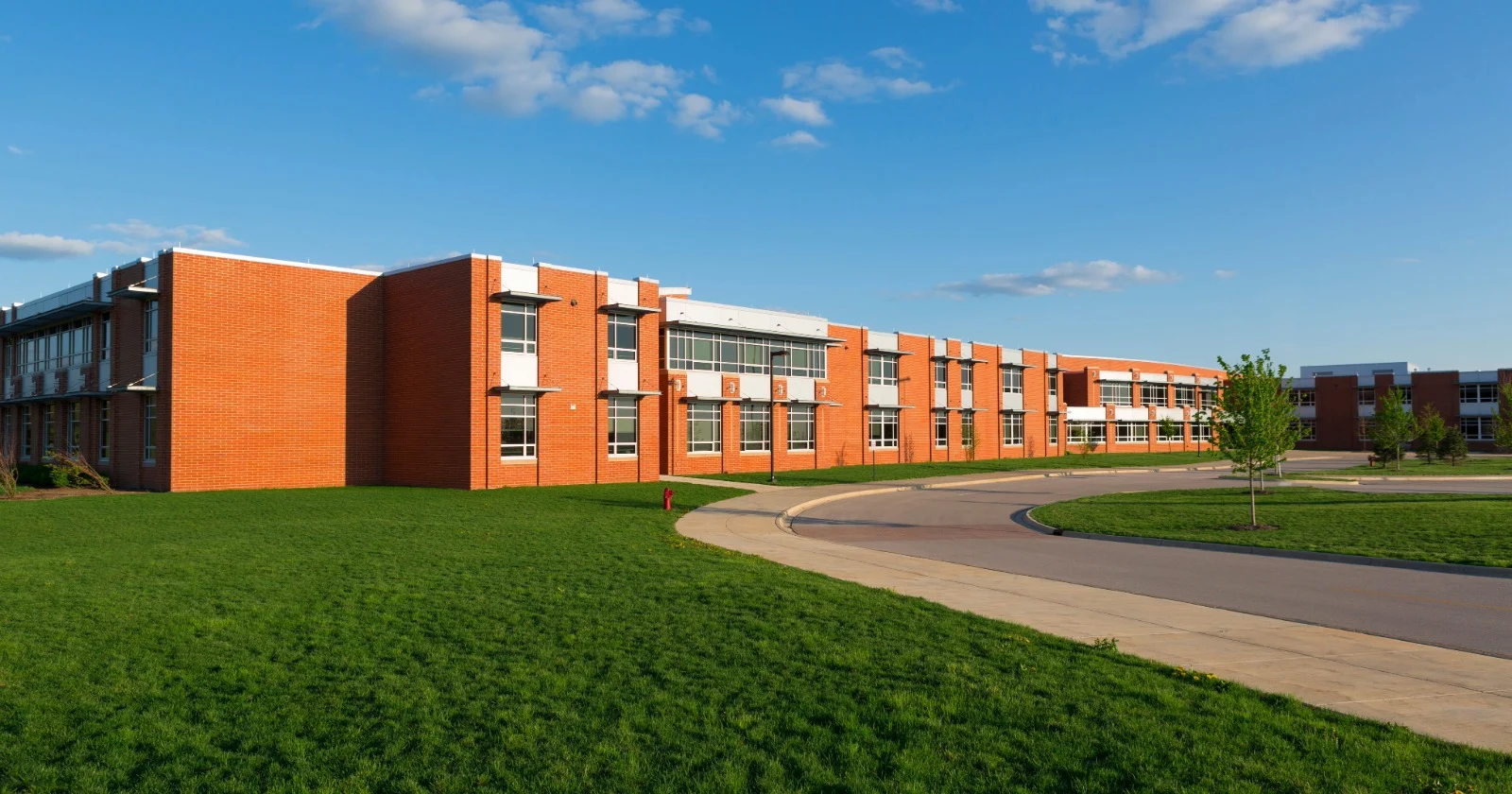
There are 100,119 operating public schools in the 50 states and Washington, D.C., serving about 49.1 million students, according to 2024-25 federal data. California has the most schools, and Delaware has the fewest. Here is the count for every state.

10/11/2026
Forty-two percent of U.S. public schools offered high-dosage tutoring in June 2025, the type school leaders rate highest. Randomized studies find large gains when tutoring is frequent, in small groups, and held during the school day, though the gains shrink as programs grow.

10/7/2026
French high school students have blockaded their schools since late September over crowded classes, missing teachers, and run-down buildings, and the prime minister suspended high school classes nationwide. American students walk out too, but U.S. schools are run by states and thousands of local districts.

10/4/2026
There are 1,673 public career and technical schools in the country, and two-thirds of them report zero students. That is not a mistake. It reveals how the model actually works: most are shared-time centers where students stay enrolled at their home high school and come over for half a day.

10/1/2026
U.S. public schools employ about 3.15 million full-time-equivalent teachers in 49 states and D.C. with reported data. Texas has the most, with 369,150, even though California enrolls more students. Here is every state, with students per teacher.

9/30/2026
North Carolina students need 22 credits to graduate, and this year's freshmen are the first who must pass a computer science course. State law also bars local school boards from requiring extra credits. Here are the rules for each class, course by course.

9/29/2026
From an angsty chatbot at a Dayton alternative school to AI math tutors in Wichita, districts are testing AI on their own. A Stanford review of more than 800 papers found only 20 rigorous studies of whether AI tools actually change outcomes for students or teachers.
9/28/2026
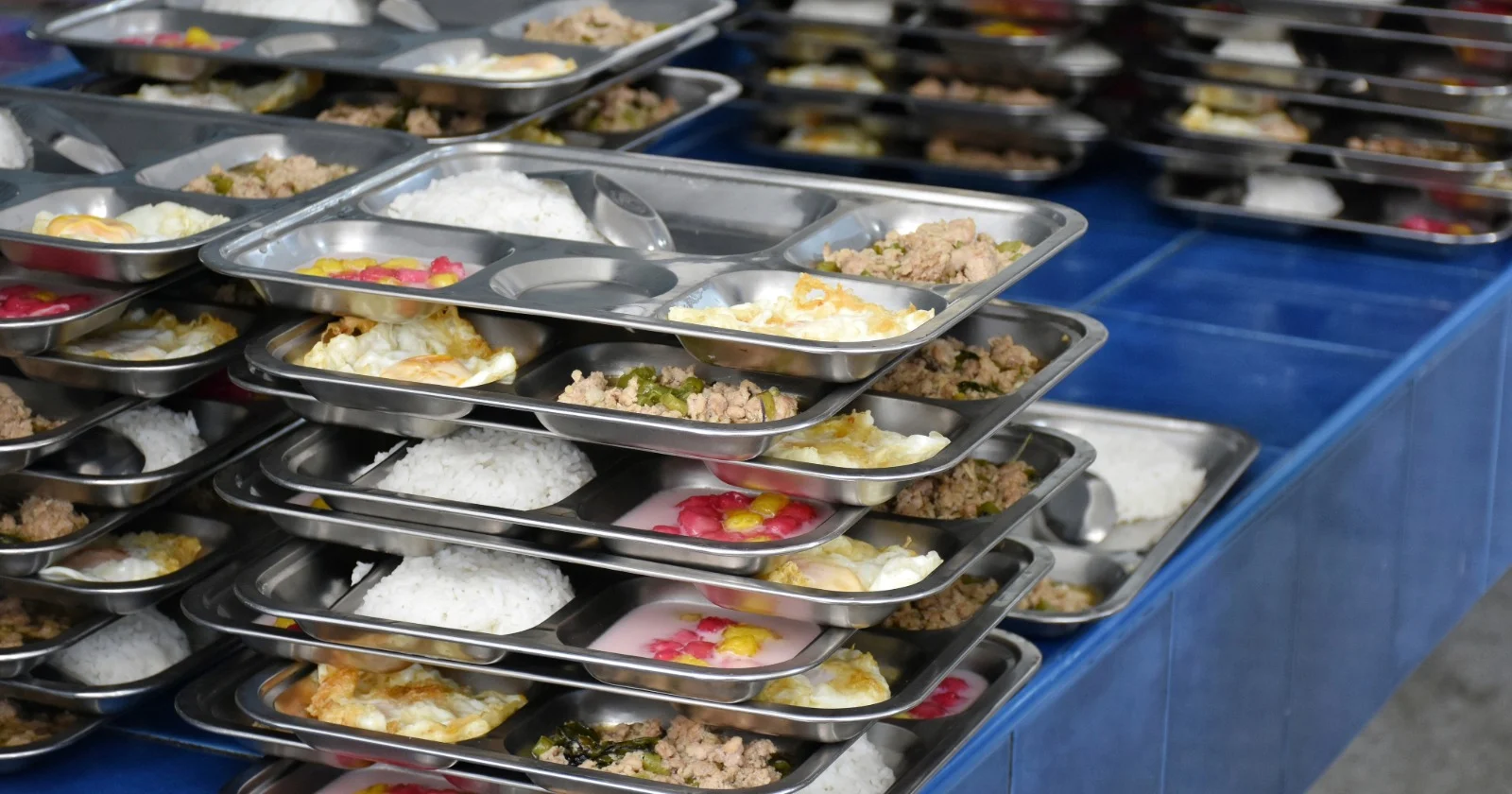
In 21 of the 41 states with complete federal data, more than half of public school students qualify for free or reduced-price lunch. New Mexico is highest at 89.6%, and New Hampshire is lowest at 24%. Here is every state, and why some are missing.

9/26/2026
Only 52 public schools in the country show a 0% proficiency rate in our data, and almost none of them are what the number implies. Most are very small, several teach newly arrived immigrants still learning English, and the figure often says more about testing rules than teaching.
9/25/2026
The Justice Department says it has ended more than 50 decades-old school desegregation cases, most of them in five Southern states. Officials call the orders outdated and costly. Critics say they still protect equal funding and access for Black students.

9/18/2026
At the most diverse elementary schools in the country, no racial or ethnic group comes close to a majority. One city runs the list: Anchorage, Alaska, takes 10 of the top 15 spots, a reflection of a student body split almost evenly across every group federal data tracks.
9/17/2026
A new NBC News poll finds 56% think a school that prohibits AI prepares students better, up nine points since June 2025. The same survey finds only 31% say no AI use is acceptable on schoolwork. Both numbers are real, and the space between them is where district policy has to live.

9/14/2026
One in ten public school students carries the English learner label, and most families first encounter it through a form they filled out at registration. The classification is not a judgment about intelligence or immigration status. It is a legal trigger for services the school must provide, and a status you can contest.

9/12/2026
PISA 2025 landed last week with the worst reading and math averages in the program's history, and one in five 15-year-olds now a low performer in every subject. The obvious suspect is screen time, and the evidence for it is real but narrower than the headlines. The sharper clue is who is falling: American elementary and middle school scores went up last year.
9/10/2026
Springfield Public Schools canceled classes for more than 23,000 students after an outside group got into its network. The detail that forced the closure was not email or phones. It was the system school nurses use to check which child is allergic to what.

9/8/2026
A magnet school is a free public school run by the district, built around a theme, that draws students from across the district instead of one neighborhood. Here is where they came from, how they differ from charters, and what the selective ones require.

9/6/2026
Nearly a third of America's public schools are rural, but they enroll a fifth of its students. Suburbs run the biggest schools and the most of them. Here is how the four kinds of communities compare on size, staffing, and what that means for a child in each one.

9/5/2026
Federal law mostly forbids public schools from separating students by sex, with one carve-out that a few cities have used heavily. We counted every public school in the country where at least 95% of students are boys or girls. Texas and New York hold half, and the biggest is a 180-year-old girls' school in Baltimore.
9/2/2026
We compared 2025 and 2026 STAAR results for more than 8,000 Texas schools. Reading, math, and social studies each moved one to two points. Science moved seven, in both tested grades, and at a majority of schools. Here is where the gains landed, which districts moved most, and the caveat on science.

9/1/2026
A fifth straight failing rating forces the Texas education commissioner to replace a district's elected school board or close the school. At least 14 districts now have a school at four, and the list runs from San Antonio ISD to a district of 172 students.

8/29/2026
Uniforms are one of the most confidently debated policies in American schooling and one of the least settled by evidence. Studies find little effect on achievement, modest and inconsistent effects on attendance and behavior, and one finding that surprised researchers.
8/27/2026
The American school year is famously 180 days, but that is a convention, not a national rule. Colorado requires as few as 160 days, Kansas goes to 186, some states count hours instead of days, and the four-day week is quietly rewriting the math in hundreds of districts.
8/25/2026
New federal guidance says considering race in student discipline is itself discrimination, reversing a decade-old policy that told schools to examine their discipline data for racial disparities. Two districts are under investigation, and both say they have not been told why.
8/21/2026
A Reason Foundation analysis scored the 100 largest districts on eight financial measures. Fort Bend ISD in Texas triggered seven of eight warning signs and Gwinnett County in Georgia six, while only two large districts, Baltimore City and Rutherford County, triggered none.
8/19/2026
The DeKalb County School District agreed to pay $29.5 million to seven charter schools that sued over withheld funding, nearly triple the roughly $10 million they first claimed. A judge had ruled the district breached its contracts, and the deal now requires it to show its funding math every month.
8/18/2026
Texas grades every public district and school from A to F each year, based mostly on STAAR results but through three domains that also credit student growth and progress at high-poverty schools. Here is what the ratings measure, how the letter grade is calculated, and how to read one.
8/14/2026
Texas released its 2026 A-F accountability ratings for 1,202 districts and 9,105 schools. A ratings climbed, F ratings fell, and 585 schools jumped straight to an A. The ratings also arrive on time, after lawsuits blocked them for years.

8/11/2026
The story that summer break exists because children were needed for the harvest is backward: rural schools often ran summer terms and closed for planting. Once you drop the myth, the research on summer learning loss and year-round calendars turns out to be far shakier than the debate assumes.

8/10/2026
An allk12 analysis of federal school data for 2024-25 counts 1,583 public schools flagged as virtual or online, enrolling 811,411 students between them. The 15 biggest hold about a fifth of that total. Not one of the 1,583 has a test proficiency score in the same data.
8/9/2026
An allk12 analysis of federal enrollment data finds the 14 largest US school districts that shrank most from 2017-18 to 2024-25. Baldwin Park Unified led at -44.2%, and 13 of the 14 sit in coastal California.
8/8/2026
In a set of large districts where most families live near the poverty line, students score far above what their demographics would predict. allk12's BeatsExpectations metric ranks the biggest overperformers, and the list is dominated by Texas border districts, Southern California, and immigrant-heavy corners of New York City.

8/4/2026
Girls outnumber boys about two to one in the top tenth of American high school GPAs, and boys outnumber girls by the same margin at the bottom. That much is measured and consistent. The popular explanation, that boys' brains need different classrooms, is the part eight researchers called pseudoscience in the journal Science.

7/28/2026
Assume that in ten to twenty years an AI explains any K-12 concept better than the average adult in the room. The job of teacher still is not the same thing as the task of instruction. What holds an adult in that room is legal, custodial and economic, not technical.

7/20/2026
By diversity index, Hawaii's statewide system is the most diverse large school district in the country, followed by a cluster of Washington, D.C. suburbs. Here is the national ranking of districts enrolling at least 50,000 students.

7/19/2026
US public-school enrollment fell about 2.9 percent between 2017-18 and 2024-25, a loss of roughly 1.45 million students. But the national number hides a sharp regional split, with the Northeast and coastal West shrinking while the Sun Belt and Mountain West grow.

7/14/2026
The four-day week is spreading fast across the rural West, and its appeal is real: teacher recruitment, morale, and a day off families cherish. But the cost savings are modest and the achievement research leans slightly negative. Here is what the evidence actually says.
7/12/2026
A 9 out of 10 or a clean A feels like a verdict on a school's quality. In practice, most ratings built on raw proficiency track family income more than anything a school does. Here is what the big ratings actually measure, and the three numbers to read together instead.

7/11/2026
The research on food and school performance is real, but it is not what most parents expect. The strongest evidence is about hunger and breakfast, not superfoods. Here is what the studies actually show, and where the claims get thin.

7/5/2026
Affluent families are pulling children out of conventional K-12 for microschools, learning pods, and AI-driven academies that compress academics and add life-skills time. The trend is real and growing. The outcome evidence is thin, and access still tracks wealth.

6/30/2026
Parents look at a high school of 4,000 and a high school of 600 and assume one is obviously better. The evidence is more interesting than either instinct. Size shapes outcomes, but mostly through belonging and climate, and it predicts far less than how a school is run.

6/27/2026
We ranked America's public high schools by a Simpson diversity index, and the leaders are not where most people guess. The most diverse high school in the country sits in Anchorage, Alaska, and the rest cluster in Puget Sound, Hawaii, the Las Vegas valley, and Northern California.
6/23/2026
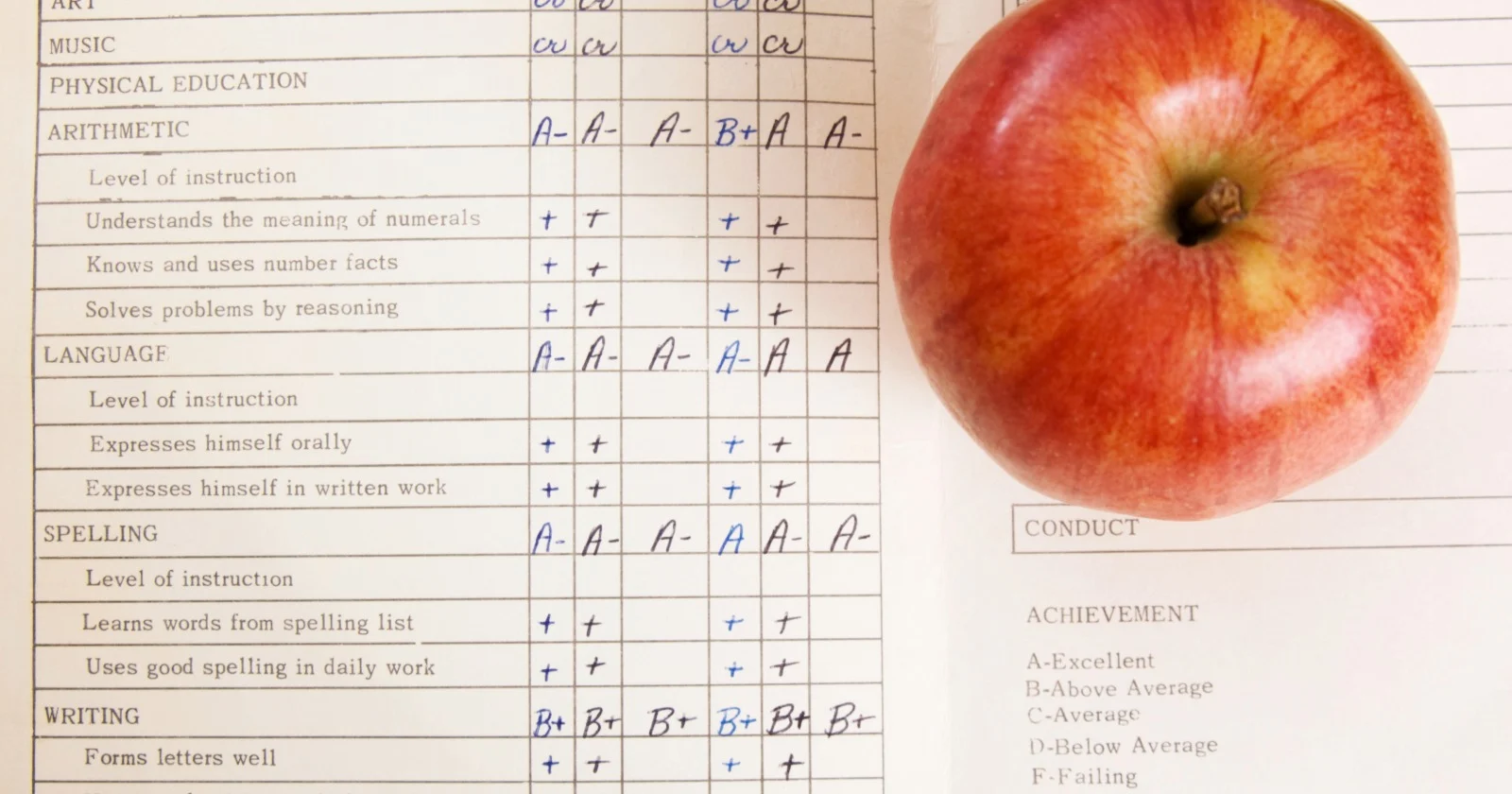
Your child's report card now shows 3s and 2s instead of B's and C's, and a 3 is the score you want. Here is what standards-based grading is actually measuring, the research behind it, the fair criticisms, and how to read the new report card without panicking.

6/21/2026
The gap between the most and least crowded states is about two to one, roughly 11 students per teacher in the Northeast against 21 in parts of the West. But the more useful question is whether that number predicts anything for a child, and the honest answer is more complicated than the ranking suggests.
6/18/2026
Northern Virginia holds some of the strongest public high schools in the country, led by a selective magnet that passes the state test at essentially 100 percent. Here is how the comprehensive high schools of Fairfax, Loudoun, Arlington, and Prince William counties rank on Virginia’s SOL pass rates.
6/15/2026
The National Blue Ribbon banner hangs in school lobbies across the country, but few parents know what it takes to earn one or what it actually signals. Here is how the U.S. Department of Education picks them, the two ways a school can qualify, and what the honor does and does not tell you.

6/13/2026
A 15-to-1 student-to-teacher ratio does not mean 15 kids in your child's class. Here is the difference between ratio and class size, what the research on the Tennessee STAR study actually found, and when the number on a school profile is misleading you.

6/8/2026
Most of the debate around school start times focuses on test scores and mental health. Those are legitimate concerns worth the attention they get. But there is a third consequence of early school start times that rarely makes it into school board presentations or parent meetings, even though it is arguably the most urgent argument for change: the relationship between early morning classes and teen car accidents...

6/6/2026
If someone asked you to name the city with one of the best public high schools in the United States, you would probably say Palo Alto, or Southlake, or maybe one of those small Connecticut towns where the median home costs $2 million and the parent association runs a bigger budget than most school districts. You would not say Evansville, Indiana...

5/15/2026
Magnet schools were invented, in part, as a desegregation tool. In the 1970s, as courts ordered school districts to integrate and white families fled to suburban districts or private schools in response, magnet programs offered a different approach: create schools compelling enough that families would voluntarily cross district lines and attendance zone boundaries to attend them, producing integration through attraction rather than compulsion. The theory was elegant. Fifty years of implementation has produced a much messier reality...

5/5/2026
Ask most adults whether they received useful financial education growing up and the answer is almost always no. They learned about the American Revolution and the quadratic formula and how mitosis works, but nobody taught them how a mortgage amortizes, what a credit score actually measures, how compound interest works in both directions, or what the difference is between a Roth and a traditional IRA. They...
4/30/2026
Most high school seniors who say they know what they want to major in are guessing. They've picked something that sounds reasonable, or something a parent suggested, or something that matches the one class they liked in tenth grade. A meaningful number of them will change their major at least once. About a third will change it more than once. The student who arrives at college genuinely undecided is not behind. They're just being honest about something most of their classmates are also true of but haven't admitted yet...

4/24/2026
Graduation requirements don't change often, but when they do, families usually find out late. A counselor mentions something in junior year, or a student discovers a new required course that wasn't on anyone's radar when they started high school. Several states have made significant changes that take effect for graduating classes of 2026 and 2027...

4/19/2026
Phone bans in schools have gone from a fringe idea to a genuine policy fight. Over the last two years, states including Florida, Indiana, and California have passed or proposed legislation restricting student phone use during the school day. Dozens of districts have moved ahead on their own without waiting for state mandates. The momentum is real. So is the disagreement about whether any of it is working...