


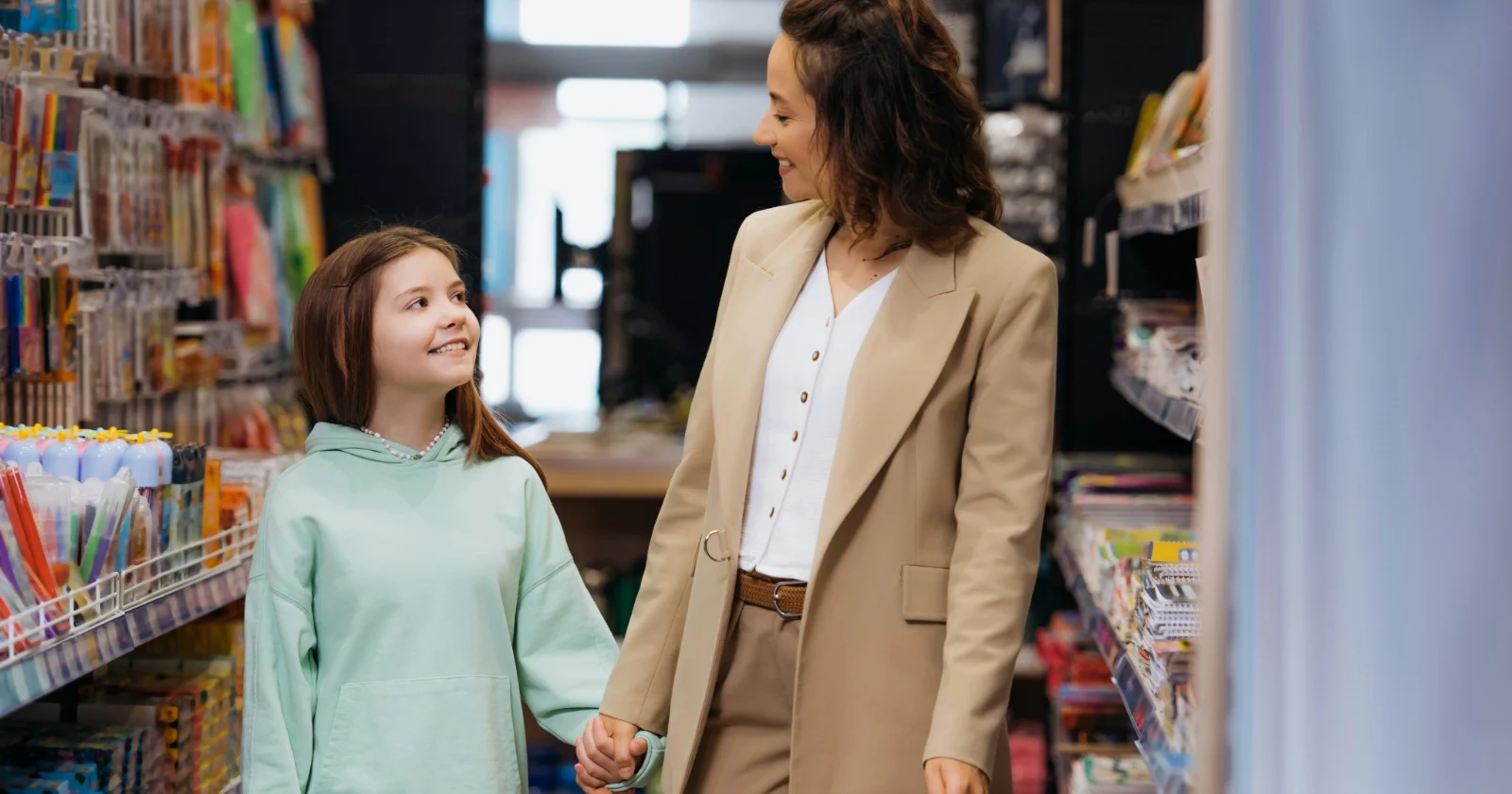
Back-to-school shopping used to mean an evening at the kitchen table with a supply list, numerous browser tabs open, and a growing sense that the backpack that was on sale was not the one your kid wanted. This year a large share of that work is now being handed off to a chatbot.
73% percent of parents planned to use AI somewhere in their back-to-school shopping, according to PwC's 2026 consumer poll, released in June. That covers everything from researching brands and comparing products to setting a budget and hunting for deals. 23% of parents said they would find deals through an AI tool this year, and PwC noted that channel "didn't meaningfully exist in last year's back-to-school season."
A second survey, from the advertising firm Tinuiti, showed results in the same range. It found 68% of parents using conversational AI such as ChatGPT or Gemini to simplify the buying process, with 33% using it to find the best deals, 32% to compare competing products, and 28% to summarize product reviews.
What the retailers see on their end
Survey answers are one thing, but clicks are another, and Adobe, which tracks more than a trillion visits to U.S. retail sites, has been counting them. In the first three months of 2026, traffic arriving at retail sites from AI sources was up 393% from a year earlier. The holiday season before that was up 693%.
The more telling number is what those visitors do once they arrive. In March 2026, shoppers who came from an AI tool converted, meaning completed a purchase, 42% more often than shoppers arriving from other channels like paid search engines and email. A year earlier, AI visitors converted 38% worse. Adobe's reading is that people used to consult a chatbot early, while still deciding, and then buy somewhere else. Now they are arriving with the decision made. They also stay longer, 48% more time on the site, and look at more pages.
In Adobe's companion survey of 5,000 consumers, 39% said they had used AI for online shopping and 85% of those said it improved the experience. Two-thirds said they believed the tools give accurate results.
The bill has not gotten smaller
None of this is making the back to school shopping season cheap. The National Retail Federation's July survey of 7,677 consumers put the average K-12 household's planned spending at $863.86, a hair above last year's $858.07, for a national total of $43.3 billion. PwC's parents, asked slightly differently, expected to spend $922, and 47% said they would spend more than a year ago, up from 35% who said so in 2025. Clothing and shoes run about $278 per household in PwC's numbers, more than double what families spend on actual supplies, with technology close behind at $222.
The pressure that spending puts on families is the story behind our earlier piece on parents going into debt over school supplies, and the social-media side of it, where kids arrive with a list assembled from other people's hauls, is in the TikTok haul problem. AI is arriving into that squeeze as a tool for finding the cheaper version, which is a reasonable reason for its popularity. The NRF found 46% of shoppers who had not finished their buying were holding out for better deals.
The NRF found only half of families planned to shop online at all this year, down from 55%, and PwC recorded in-store shopping dropping from 79% to 70% in a single season.
Where it still goes wrong
The tools are good at the parts of shopping that are just basically reading comprehension: summarizing 400 reviews, sorting ten backpacks by warranty, turning a school's PDF supply list into a shopping list. They are less reliable at the part that involves a live number. An AI assistant quotes the price it found on the page it could read, which may be last week's price, a third-party seller's price, or a price from a page it only half parsed. Adobe ran its own readability check across U.S. retail sites this spring and found that individual product pages scored 66% on average, meaning about a third of the content on them is invisible to the AI models doing the comparing.
For tips, ask the AI chatbot for links, not just answers, and open the link before you buy. Ask the tool to show its work when it claims one store is cheaper, since the difference is often shipping or a membership only price. Give it the actual supply list, pasted in, rather than describing it, so it does not fill gaps with guesses. And if your school posts a list with brand requirements, which many do for calculators and headphones, say so up front. A chatbot's idea of a good deal on a graphing calculator is not always one the math teacher will accept.
For families whose schools are handing out devices along with the supply list, the rules on what students may use those tools for once class starts are a separate question, and a stricter one. Our story on Google's back-to-school AI push covers that side.
Sources
PwC: 2026 US Consumer Poll on Back-to-School Shopping
Adobe Digital Insights: U.S. retailers see surge in AI traffic (April 2026)
National Retail Federation: 2026 back-to-school survey
MediaPost: Back-to-school shoppers are not ignoring AI (Tinuiti study)