



If a school nurse finds lice in your child's hair during the school day, national health guidance says your child should stay in class until dismissal. The Centers for Disease Control and Prevention (CDC), the American Academy of Pediatrics (AAP), and the National Association of School Nurses (NASN) all say students with head lice should not be sent home early.
Head lice are most common among preschool and elementary school children and the people they live with, according to the CDC. An estimated 6 million to 12 million infestations occur each year in the United States among children ages 3 to 11, according to a CDC page updated in June 2024, though the agency says reliable counts do not exist.
What the guidance says about sending kids home
The AAP's clinical report on head lice, published in the journal Pediatrics in October 2022, was the group's first update on the topic since 2015. On school attendance, the report says: "A child or adolescent should not be restricted from school attendance because of head lice, given the low contagion within classrooms."
A child found with an active infestation has likely had it for 4 to 6 weeks, the report explains, since that is how long it takes for itching to start from an allergic reaction to lice saliva. So the child "poses little risk to others from the infestation" and should stay in class while avoiding close head contact with others.
"If a child has head lice, they do not need to leave school early," the CDC says. Students can go home at dismissal, get treated, and return after starting treatment, according to the CDC.
The school nurses' group revised its own position in the October 2025 issue of The Journal of School Nursing. NASN says "Early dismissal or exclusion from school for the presence of live head lice or nits (lice egg cases) is unnecessary." Under its statement, the student stays until dismissal, treats at home that evening, and comes back the next day.
No-nit policies and classroom checks
Nits are lice eggs or the empty shells left after they hatch. Some schools have "no-nit" policies, which HealthyChildren.org, the AAP's site for parents, describes as rules stating that students who still have nits in their hair cannot return to school. The AAP and NASN discourage those policies, the site says.
The AAP report says no-nit policies that keep children out until every nit is removed "may violate a child's or adolescent's civil liberties and are best addressed with legal counsel for schools." The CDC gives its own reasons: many nits sit more than a quarter inch from the scalp and are unlikely to hatch, nits are very unlikely to transfer to other people, and misdiagnosis is very common when nit checks are done by people who are not medical professionals.
The AAP report cites a study of 1,729 school-aged children screened for lice. Of the 91 children who had nits, only 31%, or about 28 children, also had live lice. Only 18% of the children with nits alone developed an active infestation over 14 days of observation. The report concludes that "routine classroom or schoolwide screening should be discouraged."
NASN says broad letters home announcing a case of lice do not reduce its spread and may violate privacy laws. It also points to the cost of keeping kids out: missed days can hurt achievement, and parents who miss work can lose wages. Days kept home for nits also add to the count behind chronic absenteeism.
What to do at home
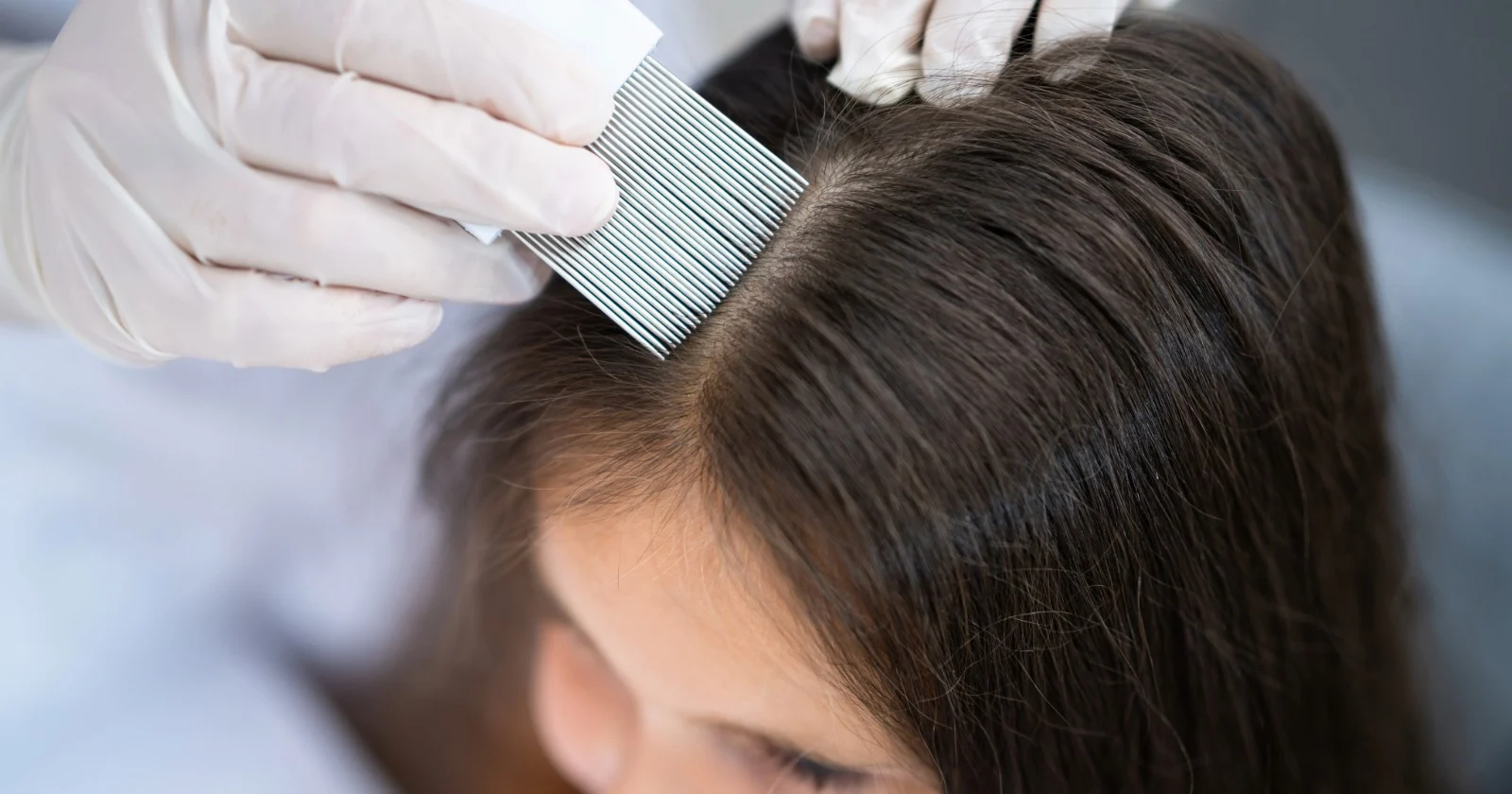
The CDC's first step is a careful look. Check your child's head, especially behind the ears and at the nape of the neck, for crawling lice and nits. If you find either, check everyone in the household every 2 to 3 days, and treat anyone with live lice or with nits within a quarter inch of the scalp, the CDC says.
Both over-the-counter and prescription products can treat head lice. The CDC does not recommend specific products and suggests asking a doctor, pharmacist, or health department. HealthyChildren.org tells parents to check with their child's doctor before starting any head lice medicine.
Some medicines kill both lice and eggs. Others kill only live lice, so the CDC says to treat again about a week after the first round, 7 to 9 days depending on the drug. After each treatment, the CDC recommends checking hair and removing nits and lice every 2 to 3 days for the next 2 to 3 weeks. The AAP advises rinsing products out over a sink rather than in the shower or bath, using warm water instead of hot.
The CDC says that if you find no dead lice 8 to 12 hours after treatment, or the lice seem as active as before, the medicine may not be working, and you should talk to a health care provider before treating again. Resistance is one reason a product can fail. The AAP report says the effectiveness of permethrin and pyrethrins, common over-the-counter ingredients, has fallen from near 100% in the 1980s to as low as 25%, and that resistance varies by community.
Cleaning can stay modest. The CDC suggests hot-water washing and high-heat drying for clothes and bedding used in the two days before treatment, and warns against fumigant sprays or fogs, which can be toxic. The AAP report says "Exhaustive cleaning measures are not beneficial." HealthyChildren.org says to skip home remedies such as mayonnaise or olive oil, because no studies prove they work.
Common myths about lice
Lice are not a sign of a dirty child or home. The AAP says infestations are "neither a health hazard nor sign of poor hygiene," and the CDC says getting lice "is not related to cleanliness of you or your environment."
Lice also do not jump. "Head lice move by crawling; they cannot hop or fly," according to the CDC. Most spread happens through head-to-head contact, the CDC says, and spread through shared hats, brushes, or bedding is less common. The AAP report says kids should not refuse to wear protective headgear for fear of lice.
The family dog is not to blame either. The CDC says "Animals do not get or spread head lice," and the AAP report says lice cannot pass between people and pets. Head lice do not spread any disease, according to the CDC, which sets them apart from an illness like measles, where schools do use exclusion rules.
The AAP report says a school nurse can recheck a child's head privately if a parent asks, and can offer extra help to families whose children keep getting lice.
Sources
CDC: About Head Lice
CDC: Providing Care for Individuals with Head Lice
CDC: Treatment of Head Lice
CDC: Clinical Care of Head Lice
American Academy of Pediatrics: Head Lice (clinical report, Pediatrics, October 2022)
American Academy of Pediatrics: American Academy of Pediatrics Updates Report on Controlling and Treating Head Lice in Children, Adolescents
HealthyChildren.org: Head Lice: What Parents Need to Know
National Association of School Nurses: Head Lice (Pediculosis Capitis) Management in Schools (The Journal of School Nursing, October 2025)