
9/9/2026
Four days after five Lincoln-Way East students were filmed making monkey gestures at Homewood-Flossmoor fans, three H-F cross country runners say they overheard a Lincoln-Way East coach call them monkeys before a meet. The school says the coach was recounting a story about a course section called the jungle. Students plan to leave class at 11:50 Wednesday.
 Mary Johnson
9/9/2026
An IEP meeting is the one hour a year when a school's plan for your child gets written down and signed. Parents walk in outnumbered and often unprepared. Here is what the meeting is for, what you are entitled to before it, and how to leave with a plan you can hold the school to.
 Kate Carter
9/8/2026
Valdosta, Georgia has been named the top finalist to become the permanent home of the National High School Football Hall of Fame, ahead of Massillon and Berea, Ohio and Pittsburgh. The choice fits: Valdosta High owns more wins than any program in the country, and its crosstown rival is one of the largest high schools in Georgia.
Mary Johnson
9/8/2026
A magnet school is a free public school run by the district, built around a theme, that draws students from across the district instead of one neighborhood. Here is where they came from, how they differ from charters, and what the selective ones require.
 Arthur Chen
9/7/2026
A 22-year-old was charged with a felony after investigators say he described a plan to attack Serna Elementary, a 312-student school near his home, in messages to an Anthropic chatbot. The FBI flagged the chat 17 days later and traced it through phone, internet, and Google records. He is held on $250,000 bond.
Mary Johnson
9/7/2026
The average public high school enrolls about 700 students, but the typical one enrolls 420, because a few thousands-strong giants pull the average up. Elementary schools average about 424. And the state you live in changes the answer by a factor of five.
Mary Johnson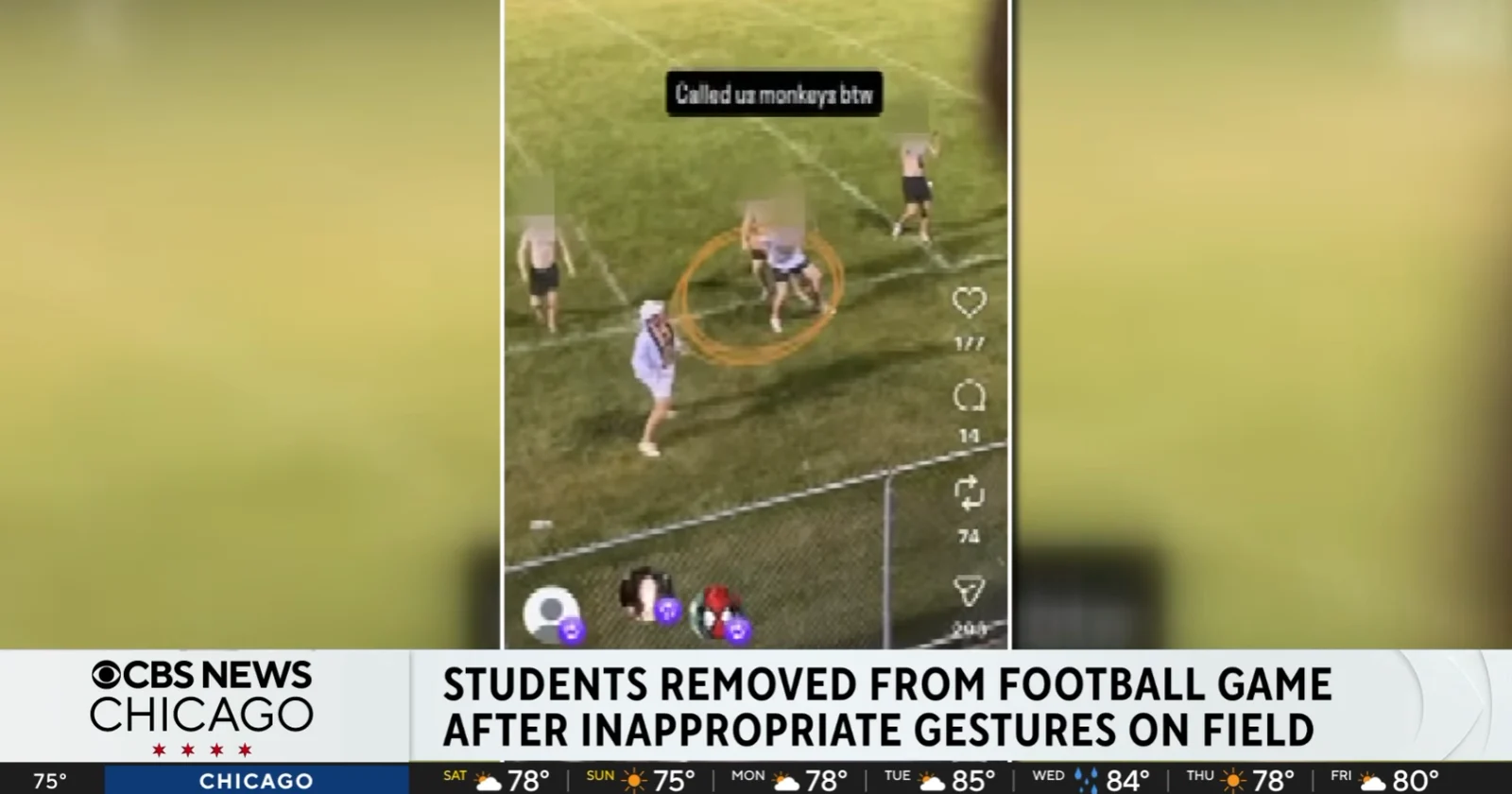
9/6/2026
Video from Friday's varsity game in Flossmoor, Illinois shows students from the visiting school taunting fans of a majority-Black high school with monkey sounds and gestures. Lincoln-Way East says it has identified the students and apologized. Homewood-Flossmoor says it is weighing legal options.
Mary Johnson
9/6/2026
Nearly a third of America's public schools are rural, but they enroll a fifth of its students. Suburbs run the biggest schools and the most of them. Here is how the four kinds of communities compare on size, staffing, and what that means for a child in each one.
Arthur Chen
9/5/2026
Franklin Towne Charter High School agreed Friday to a False Claims Act settlement over its January 2023 admissions lottery, which prosecutors say was manipulated to lower Black applicants' odds. The school is 17% Black in a city where district schools are 42% Black. Neither the school nor former CEO Joseph Venditti admitted liability.
Mary Johnson
9/5/2026
Federal law mostly forbids public schools from separating students by sex, with one carve-out that a few cities have used heavily. We counted every public school in the country where at least 95% of students are boys or girls. Texas and New York hold half, and the biggest is a 180-year-old girls' school in Baltimore.
Arthur Chen
9/4/2026
Nearly three in four parents planned to use an AI tool somewhere in this year's school shopping, up from a channel that barely existed a year ago. Retailers say those shoppers now buy more often than people arriving from search. Here is what the surveys show, where the tools help, and where they still get prices wrong.
Kate Carter
9/4/2026
In 15 states a student can legally leave school at 16. In 25 states and Washington, D.C., the law requires attendance until 18, and Texas goes to 19. The start age varies too, from 5 to 8. Here is the full state-by-state picture, and why the end age is not the same as graduation.
Kate Carter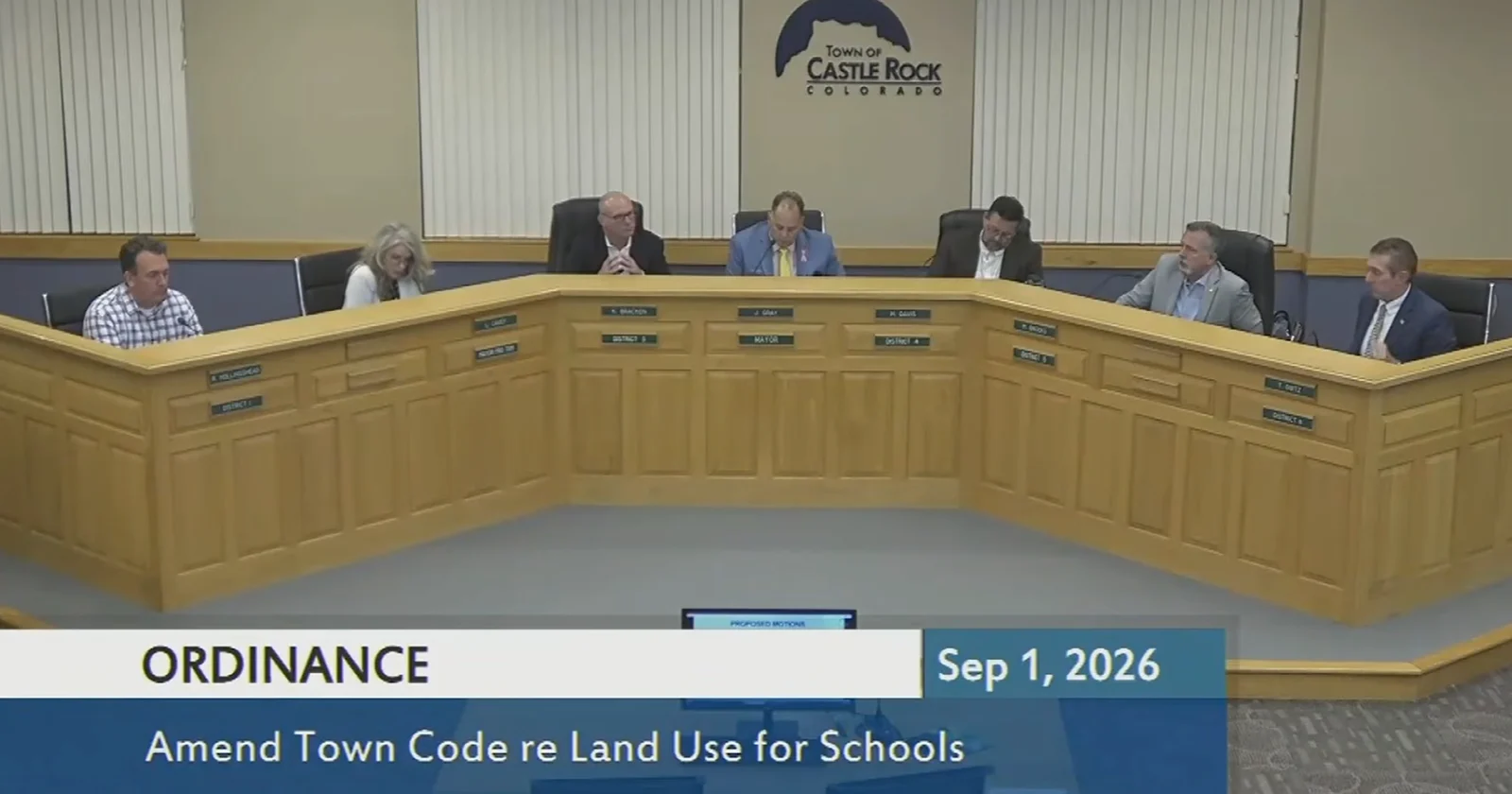
9/3/2026
A 4-3 vote in one of Douglas County's fastest-growing towns rewrote the rules for 13 sites that developers set aside for schools. The district now has to fund a school before it gets the land, and seven of those sites are already penciled in for parks. We read the ordinance and the town's site memo.
Mary Johnson
9/3/2026
Mid-year moves are harder than summer moves for reasons most families do not anticipate: credits that do not transfer cleanly, support plans that pause, and a social world that has already formed. Here is what to handle before, during, and after the switch.
Mary Johnson
9/2/2026
The nation's largest school system will bar student-facing generative AI from 2-K through eighth grade for the 2026-27 year, ban companion chatbots in every grade, cap classroom screen time, and limit high school AI to five named pilots. The mayor's message to the tech industry was blunt.
Mary Johnson
9/2/2026
We compared 2025 and 2026 STAAR results for more than 8,000 Texas schools. Reading, math, and social studies each moved one to two points. Science moved seven, in both tested grades, and at a majority of schools. Here is where the gains landed, which districts moved most, and the caveat on science.
Arthur Chen
9/1/2026
A fifth straight failing rating forces the Texas education commissioner to replace a district's elected school board or close the school. At least 14 districts now have a school at four, and the list runs from San Antonio ISD to a district of 172 students.
Arthur Chen
9/1/2026
Pennsylvania is unusual: the state does not hand you one credit number. Districts set the credits, and the statewide requirement is Act 158, which gives every student five different pathways to a diploma, with the Keystone Exams at the center of two of them.
Kate Carter
8/31/2026
Google announced a wave of AI study tools for the new school year, including a free year of its paid tier for college students. What the announcement does not include is guidance on how students should use any of it. Here is the practical version, plus what families should check first.
Kate Carter
8/31/2026
A K-8 school keeps students in one building from kindergarten through eighth grade, skipping the move to middle school. Research on that extra transition is unusually consistent, and it is the strongest argument in the K-8 school's favor.
Kate Carter