6/27/2026
We ranked America's public high schools by a Simpson diversity index, and the leaders are not where most people guess. The most diverse high school in the country sits in Anchorage, Alaska, and the rest cluster in Puget Sound, Hawaii, the Las Vegas valley, and Northern California.
 Arthur Chen
6/26/2026
You do not always have to move to change your child's public school. Open enrollment lets families apply to schools outside their zone, but the rules vary by state and the transportation catch trips up a lot of parents. Here is how it actually works.
 Mary Johnson
6/25/2026
In California your home address assigns you a school district, so in Orange County the district you buy into really does matter. Here is how OC's districts rank on state test scores, plus the smaller ones quietly outperforming the famous names.
Mary Johnson
6/24/2026
Graduating high school in the US comes down to credits, a required course mix, and a shrinking list of exit exams. Here is how the pieces fit together, what varies by state, and the newer requirements that older siblings never had to meet.
 Kate Carter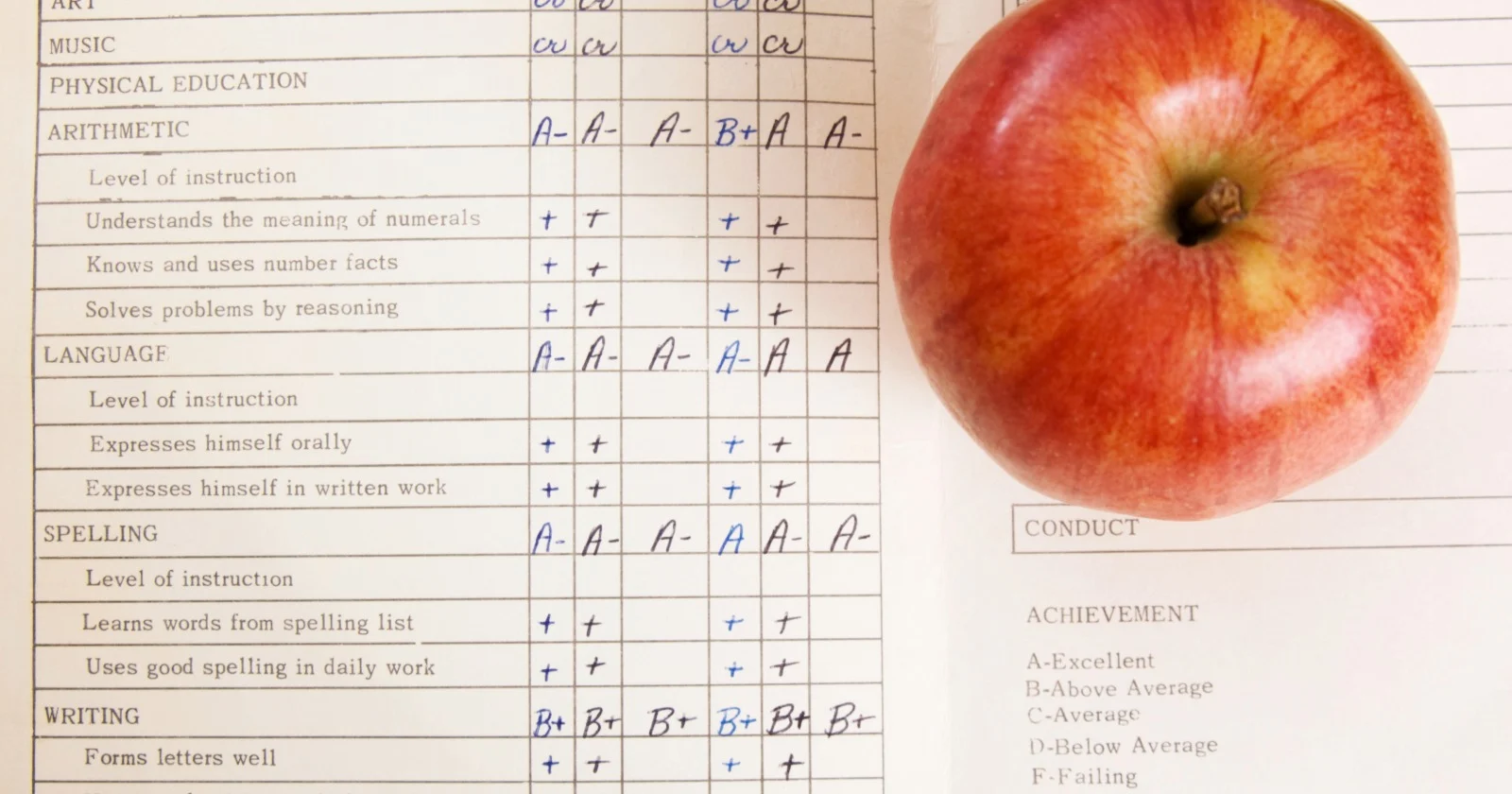
6/23/2026
Your child's report card now shows 3s and 2s instead of B's and C's, and a 3 is the score you want. Here is what standards-based grading is actually measuring, the research behind it, the fair criticisms, and how to read the new report card without panicking.
Arthur Chen
6/22/2026
Your child comes home and says their teacher is mean. Before you fire off an email, sort out what you are actually dealing with. Here is how to tell ordinary friction from real harm, and exactly what to do about each.
Mary Johnson
6/21/2026
The gap between the most and least crowded states is about two to one, roughly 11 students per teacher in the Northeast against 21 in parts of the West. But the more useful question is whether that number predicts anything for a child, and the honest answer is more complicated than the ranking suggests.
Arthur Chen
6/20/2026
A clean enrollment ranking of the 20 biggest comprehensive public high schools in the country, drawn from NCES SY 2024-25 figures. Texas and Chicago show up over and over, and one suburban Houston district owns two of the top 14.
Kate Carter
6/19/2026
The state test report comes home in the fall and most parents have no idea what to do with it. Here is what proficient actually means, why one year is not a verdict, and the difference between a score and a growth measure that schools rarely explain well.
Mary Johnson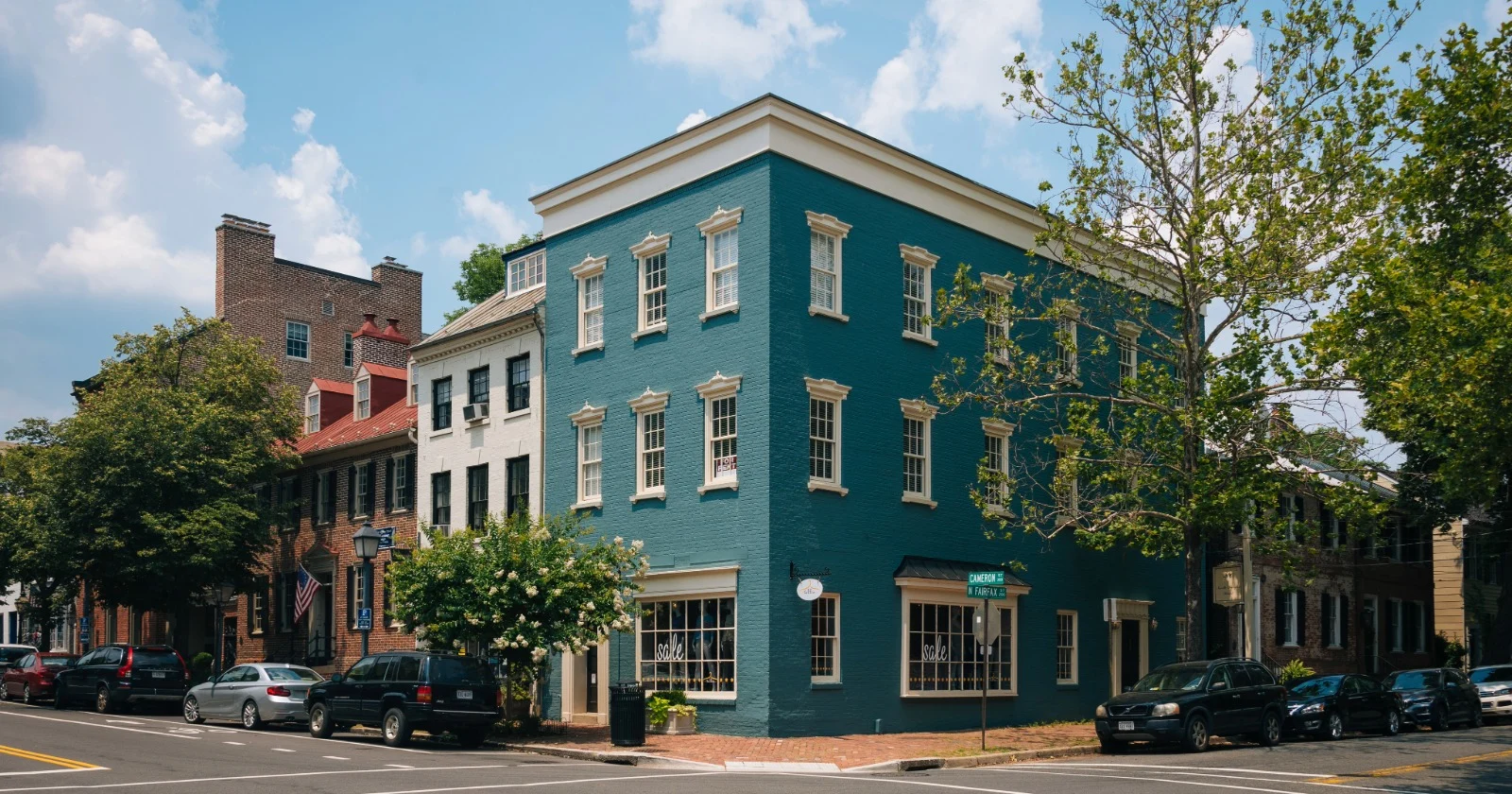
6/18/2026
Northern Virginia holds some of the strongest public high schools in the country, led by a selective magnet that passes the state test at essentially 100 percent. Here is how the comprehensive high schools of Fairfax, Loudoun, Arlington, and Prince William counties rank on Virginia’s SOL pass rates.
Arthur Chen
6/17/2026
Free and reduced lunch eligibility is the number researchers and rankings use to measure how poor a school is. Here is what FRL actually counts, why it triggers Title I money, and why a high-poverty school is not the same thing as a low-quality one.
Kate Carter
6/16/2026
Across the Charlotte metro, public high school performance swings from the low 40s to the high 80s on North Carolina’s grade-level proficiency measure, and the strongest results sit in the Union County and north-Mecklenburg suburbs rather than inside the city. Here is how the suburbs rank.
Kate Carter
6/15/2026
The National Blue Ribbon banner hangs in school lobbies across the country, but few parents know what it takes to earn one or what it actually signals. Here is how the U.S. Department of Education picks them, the two ways a school can qualify, and what the honor does and does not tell you.
Arthur Chen
6/14/2026
Charter schools are public schools, but they run under a different set of rules. Here is what that actually changes for your child: admission, funding, accountability, and the one question that tells you whether a charter is worth the switch.
Kate Carter
6/13/2026
A 15-to-1 student-to-teacher ratio does not mean 15 kids in your child's class. Here is the difference between ratio and class size, what the research on the Tennessee STAR study actually found, and when the number on a school profile is misleading you.
Arthur Chen
6/12/2026
If your child has been identified as needing support at school, you've probably heard both terms: IEP and 504 plan. They sound similar, they both involve meetings and paperwork and school staff, and they both exist to help students with disabilities access their education. But they are fundamentally different in what they provide, which law governs them, who qualifies, and what happens if the school doesn't follow them. Getting the...
Kate Carter
6/11/2026
The hardest part of identifying a learning disability in your own child is the gap between knowing something is wrong and knowing what it is. Most parents arrive at the question not through sudden revelation but through accumulation: a teacher's comment here, a pattern of frustration there, months of watching a child work twice as hard as their peers for half the result. By...
Mary Johnson
6/10/2026
You've probably seen "Title I school" in news coverage, school profiles, or policy discussions and wondered what it actually means. The label carries assumptions in both directions: some people hear it as a mark of failure, others as evidence of extra support. Neither framing is quite right...
Kate Carter
6/9/2026
The case for private school usually goes something like this: better outcomes, smaller classes, more focused environment, and the kind of network and signaling value that pays dividends for decades. It's a case that sounds compelling and, in specific circumstances, is compelling. But it rests on an assumption that doesn't hold in all fifty states equally: that the private school option is actually better than the public school option in the same area...
Kate Carter
6/8/2026
Most of the debate around school start times focuses on test scores and mental health. Those are legitimate concerns worth the attention they get. But there is a third consequence of early school start times that rarely makes it into school board presentations or parent meetings, even though it is arguably the most urgent argument for change: the relationship between early morning classes and teen car accidents...
Arthur Chen