8/30/2026
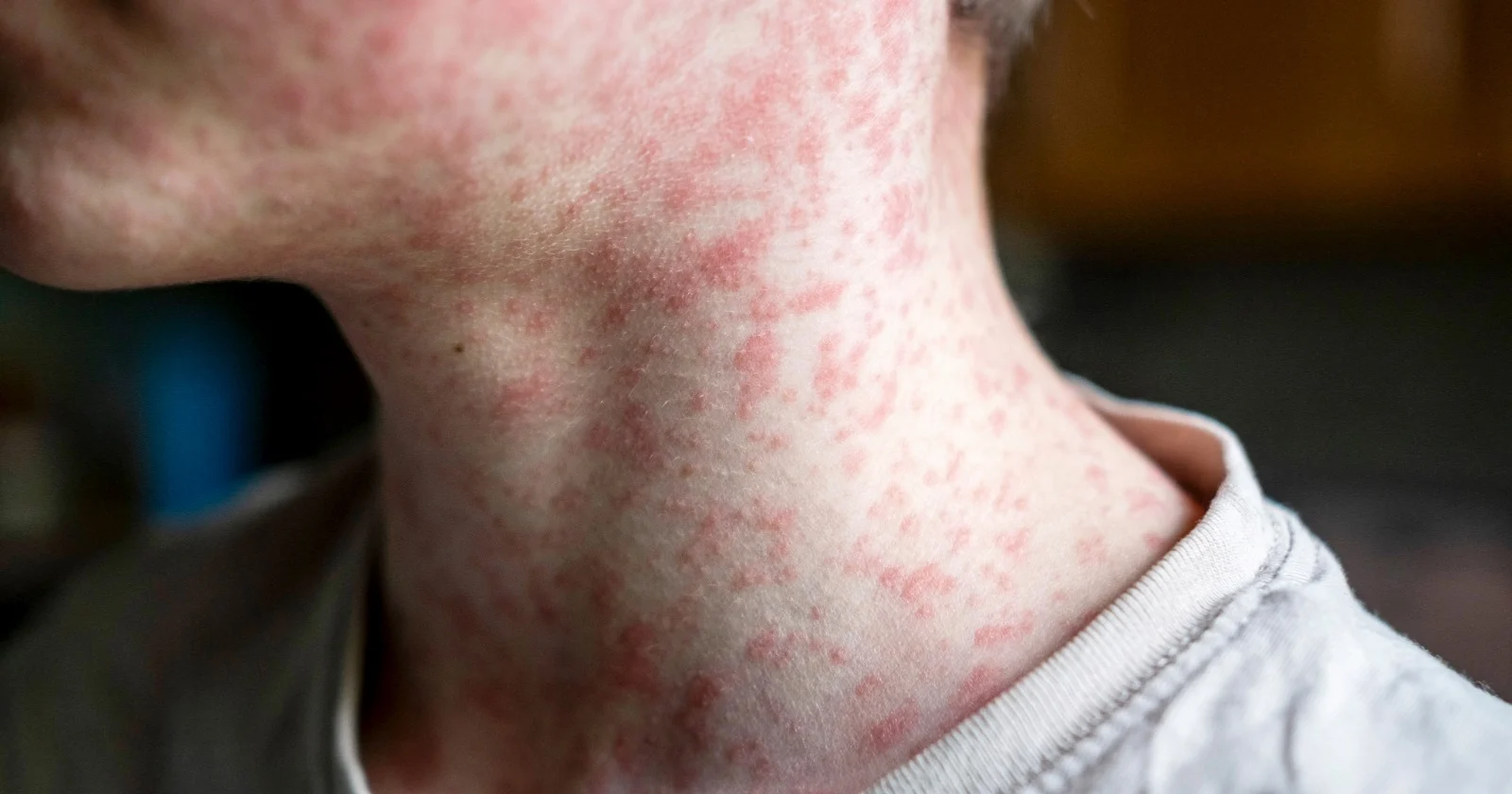
The US has recorded more than 2,700 measles cases in 2026, the most in decades, and kindergarten vaccination has slipped below the level that protects a community. Here is how schools respond to a case, what the 21-day exclusion rule means, and what to check now.
 Mary Johnson
8/29/2026
Uniforms are one of the most confidently debated policies in American schooling and one of the least settled by evidence. Studies find little effect on achievement, modest and inconsistent effects on attendance and behavior, and one finding that surprised researchers.
 Arthur Chen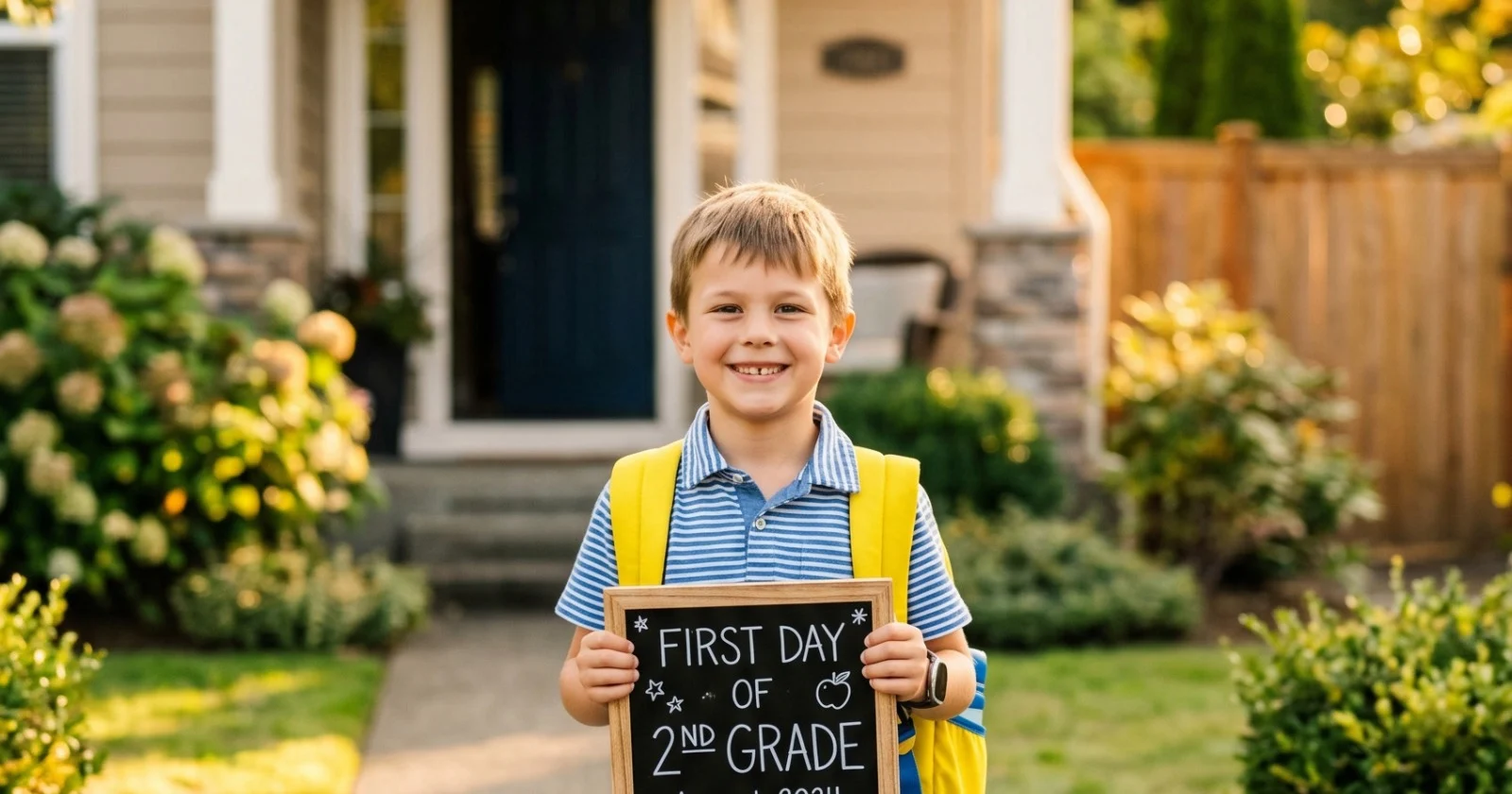
8/28/2026
A 14-year-old is usually a freshman, a 10-year-old is usually in fifth grade, and the word usually is doing real work in both sentences. Here is the full age-to-grade chart, why the ranges overlap, and how cutoff dates and holding kids back shift the math.
Mary Johnson
8/28/2026
A coalition of Virginia parents and former teachers is asking the state Board of Education for a statewide framework governing digital tools in schools, plus the right to opt a child out. A state senator plans to introduce a model policy in January.
Mary Johnson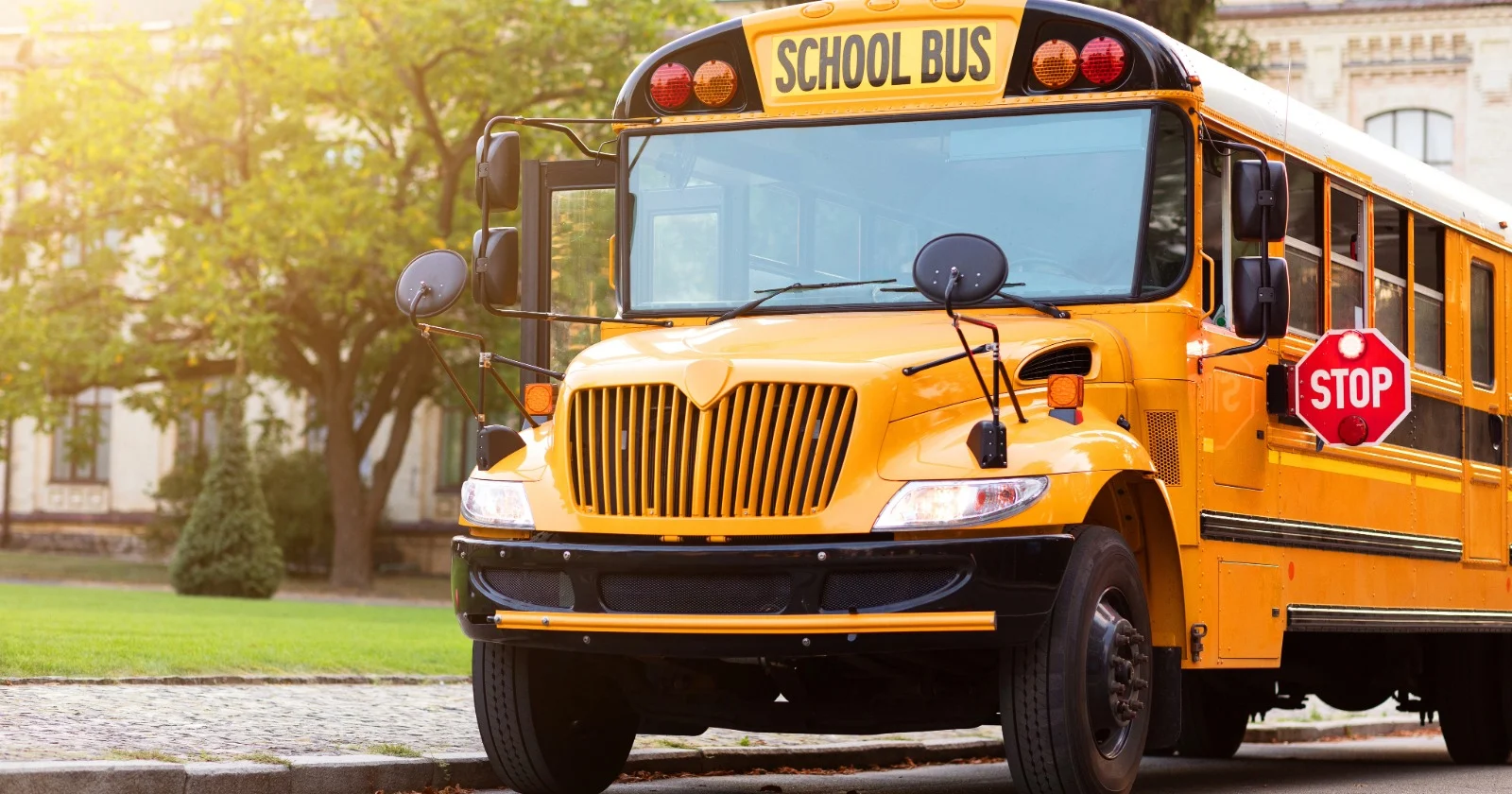
8/27/2026
About 90% of America's 480,000 school buses run on diesel, now averaging $5.62 a gallon against $3.70 a year ago. Districts are consolidating routes, staggering bell times, and tapping rainy-day funds, and one Washington official measured the hit in teachers.
Mary Johnson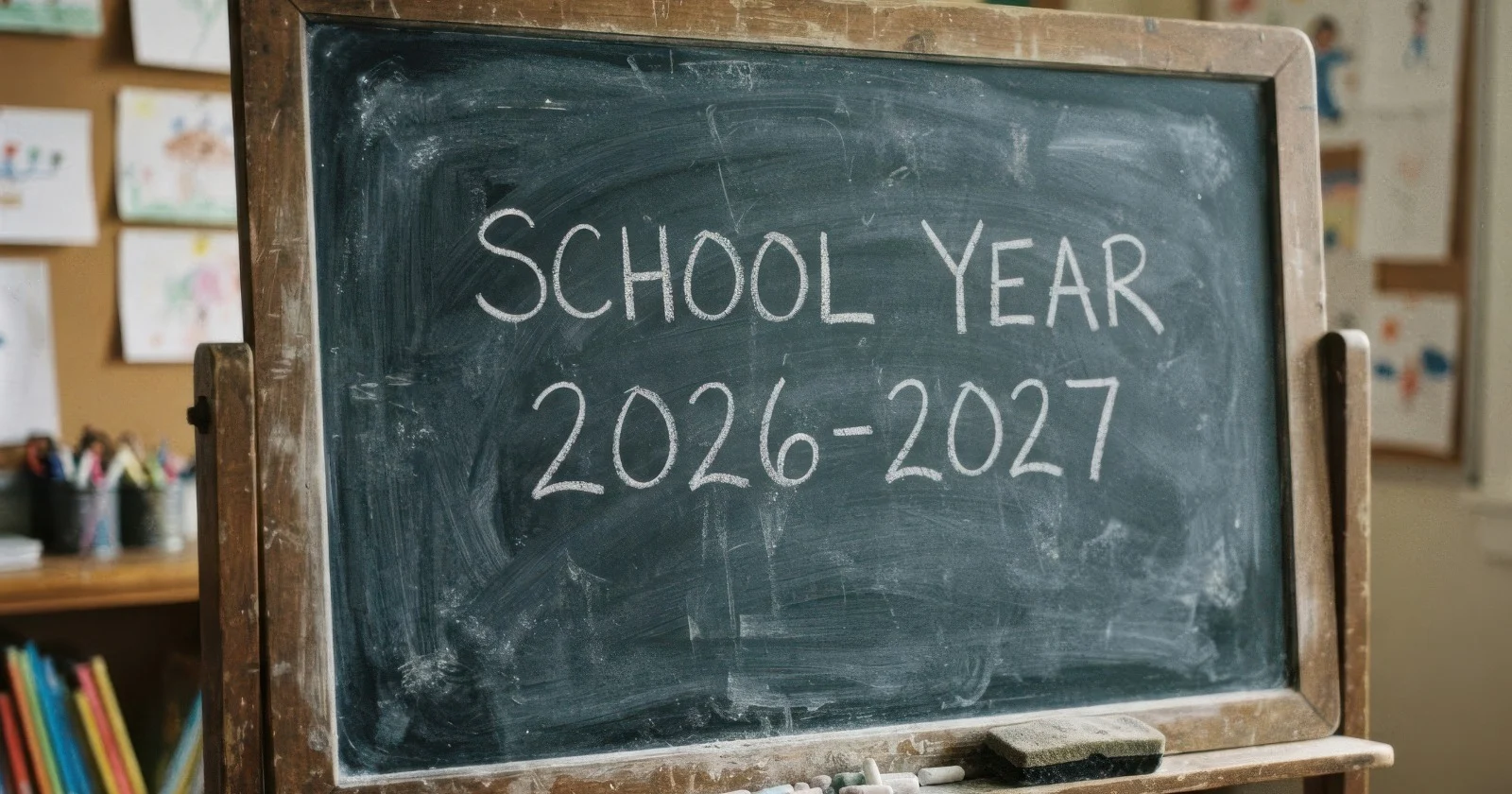
8/27/2026
The American school year is famously 180 days, but that is a convention, not a national rule. Colorado requires as few as 160 days, Kansas goes to 186, some states count hours instead of days, and the four-day week is quietly rewriting the math in hundreds of districts.
Arthur Chen
8/26/2026
Meta settled with 52 attorneys general and agreed to default limits on teen accounts: two hours a day, no access overnight, hidden likes, and muted notifications during school hours. It does not block the apps during class, and it does not cover TikTok, YouTube, or Snapchat.
Mary Johnson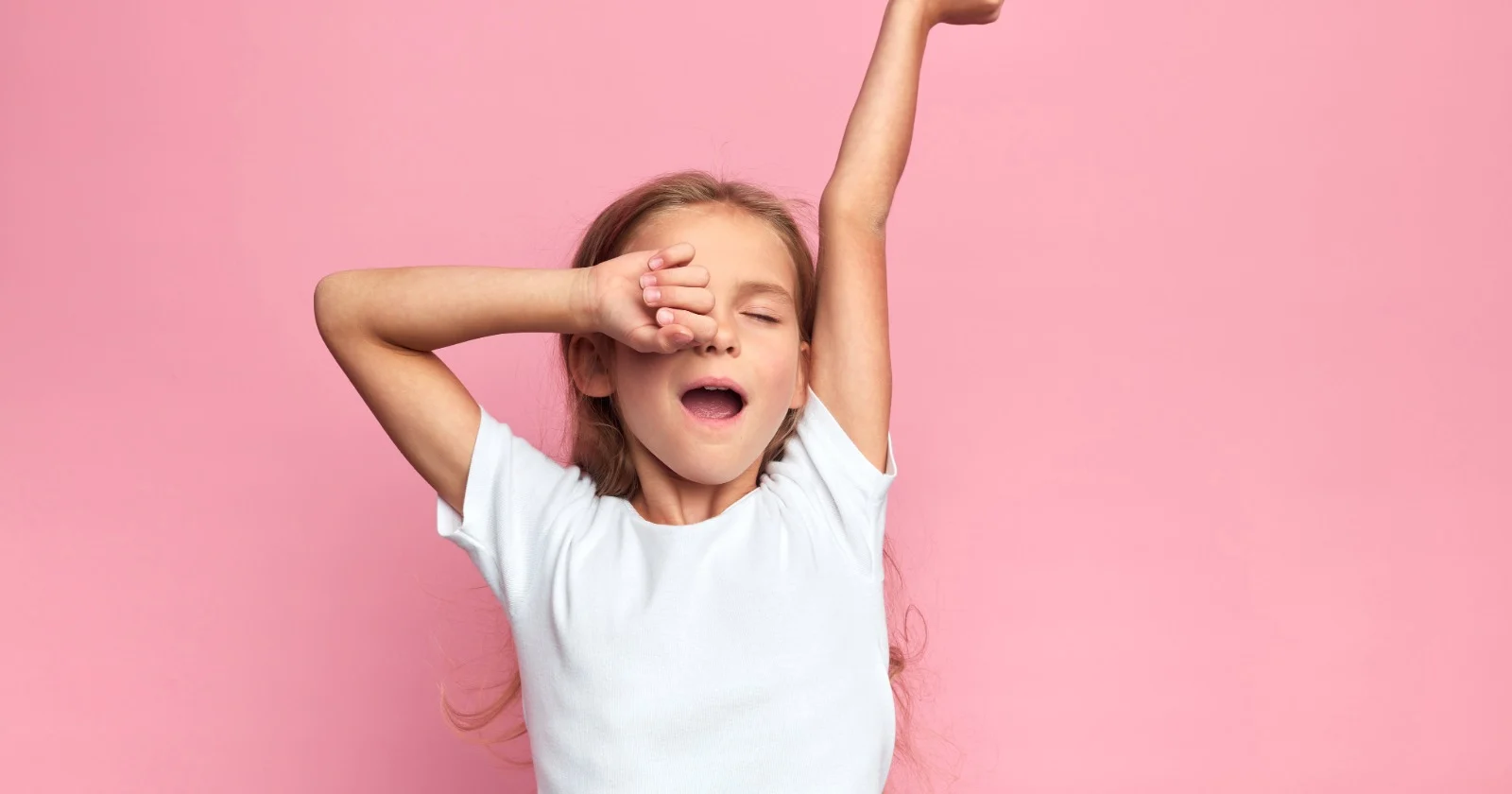
8/26/2026
Shifting bedtime 15 to 30 minutes earlier each night for a week or two is the method pediatricians recommend. It works well for younger kids. For teenagers there is a complication worth understanding, because their body clocks are working against the school bell.
 Kate Carter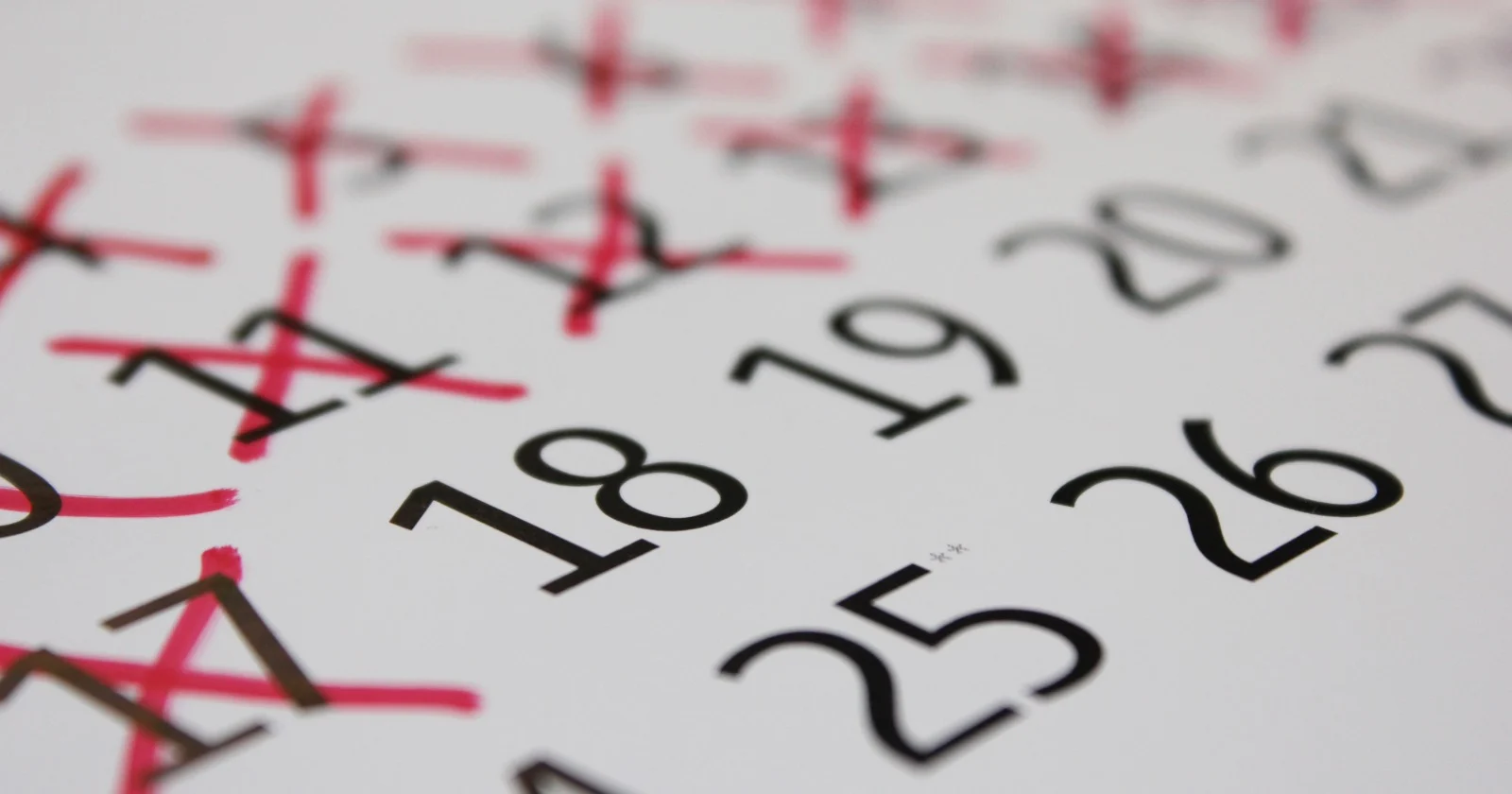
8/26/2026
Chronic absenteeism does not mean skipping school. It means missing 10 percent of the year, about 18 days, and it counts the sick days and the family trip too. Here is what the label means and what to actually do about it.
Mary Johnson
8/25/2026
House Bill 959 requires every North Carolina public and charter school to bar phone use during instructional time. An Asheville charter school that adopted the same rule two years early says parents report happier, more talkative kids, and that a few students are gaming the system with decoy phones.
Kate Carter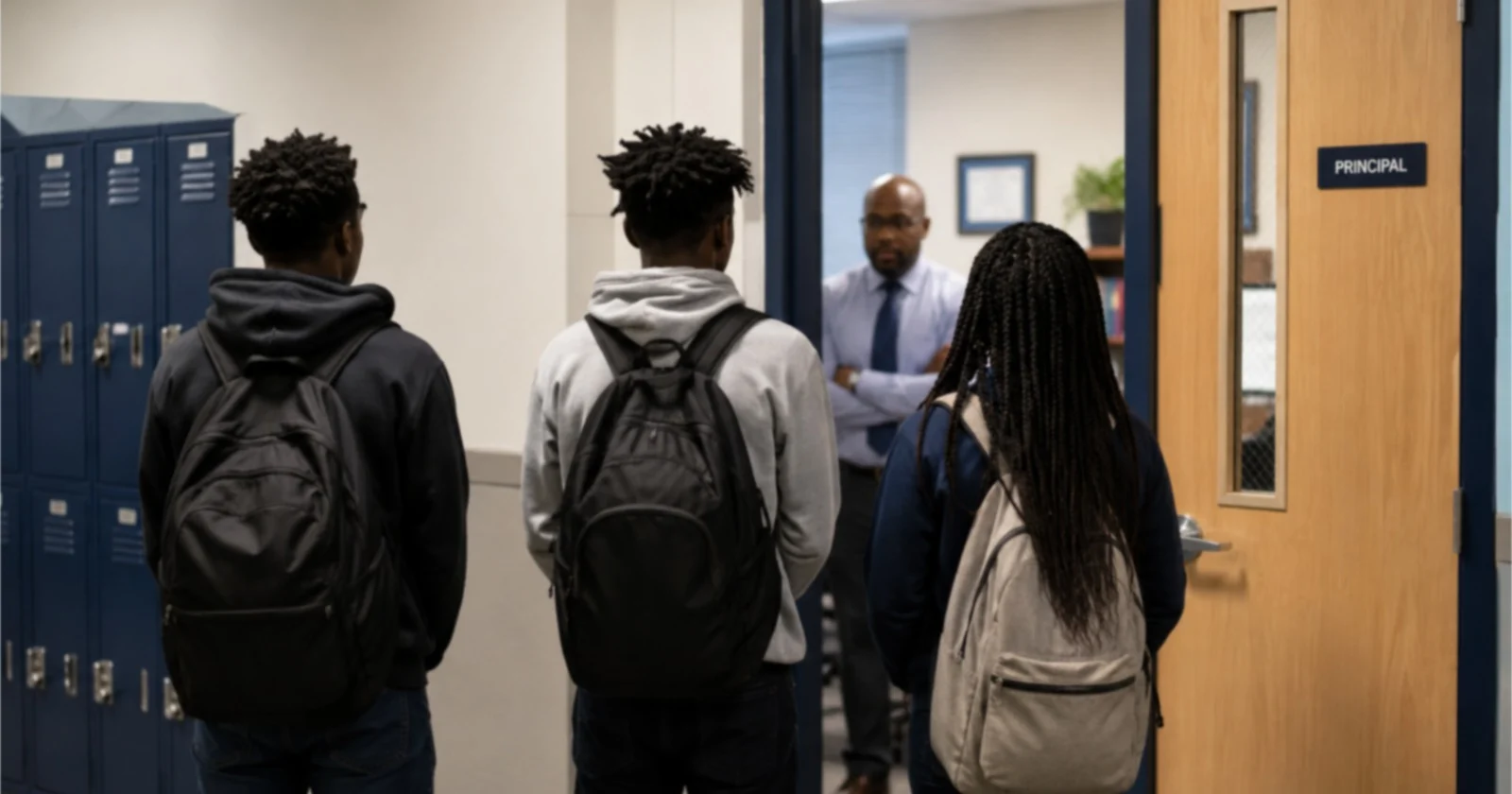
8/25/2026
New federal guidance says considering race in student discipline is itself discrimination, reversing a decade-old policy that told schools to examine their discipline data for racial disparities. Two districts are under investigation, and both say they have not been told why.
Arthur Chen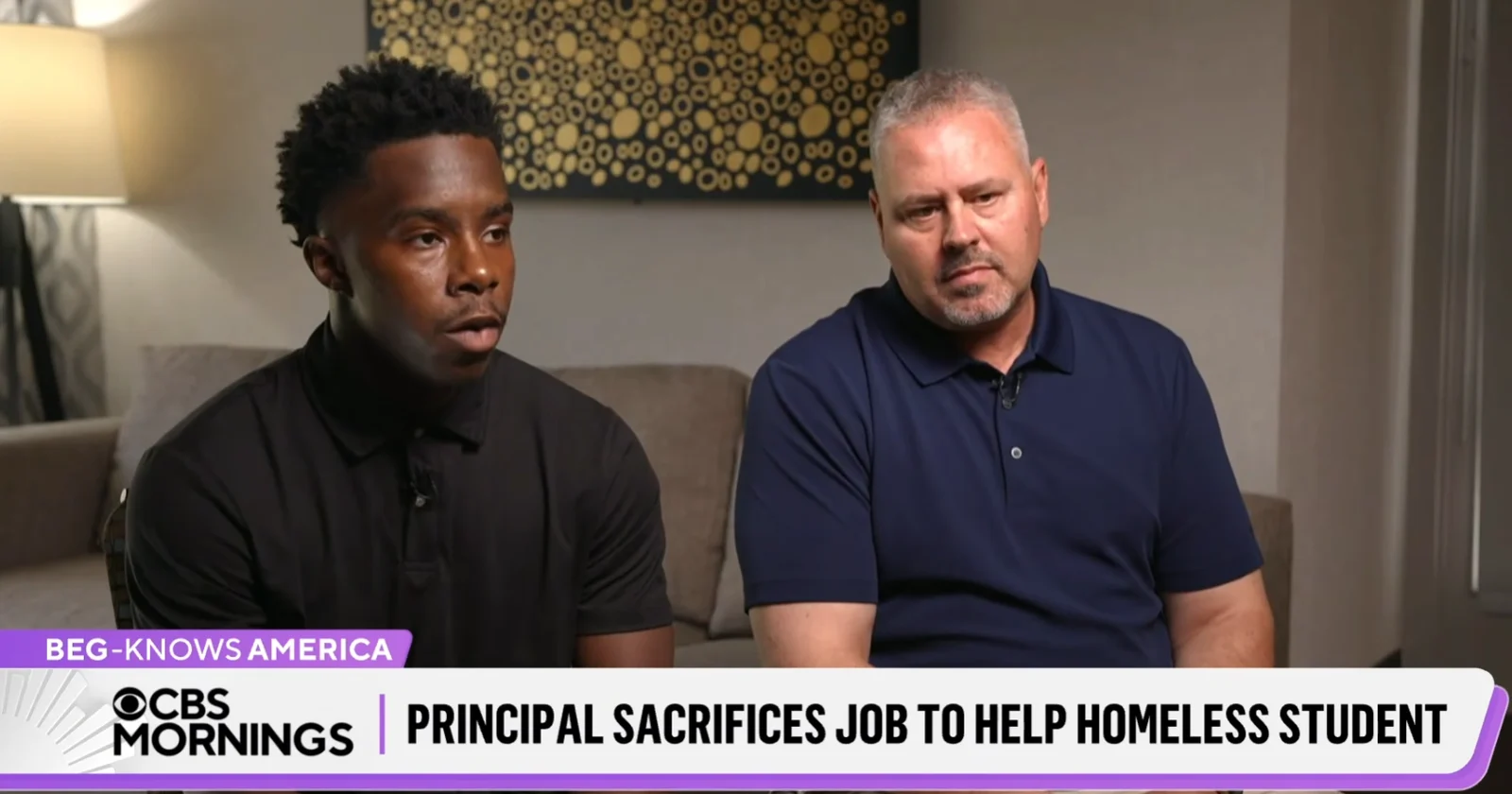
8/24/2026
Rob Burnside let a homeless student keep attending Lakota East High School after the district said he had to withdraw, then took him into his home. It ended a 31-year career. It also points at a federal law most families have never heard of.
Mary Johnson
8/24/2026
If your child was born in June, July, or August, they will likely be among the youngest in their class, and you can usually choose to wait a year. Here is how deferring works in the US, what the research says about whether it helps, and the questions that matter more than the birthday.
Kate Carter
8/23/2026
Mills Park Elementary in Cary posts the highest test proficiency of any public elementary school in Wake County, home to Raleigh. The strongest schools cluster in the Cary, Apex, and Morrisville tech corridor, and the scores track neighborhood income closely. Here are the top 15.
Mary Johnson
8/22/2026
Officers in Nebraska's largest district had been carrying gloves that deliver an electric shock on contact, and used them twice last school year. After students and parents objected, Omaha police agreed to stop. Bellevue police, who patrol nearby schools, are keeping theirs.
Mary Johnson
8/22/2026
Central Magnet School in Tennessee took the top spot, and Arizona's BASIS charter network placed 12 schools in the national top 100. But read the list closely and a pattern emerges: nearly every school at the top is small, selective, or both.
Kate Carter
8/21/2026
A Reason Foundation analysis scored the 100 largest districts on eight financial measures. Fort Bend ISD in Texas triggered seven of eight warning signs and Gwinnett County in Georgia six, while only two large districts, Baltimore City and Rutherford County, triggered none.
Arthur Chen
8/21/2026
Both let a high schooler earn college credit before graduation, but they earn it in very different ways. Which one pays off depends less on prestige and more on where your student is actually headed.
Kate Carter
8/20/2026
There is no federal ban on paddling students, so it is left to states. Fifteen still have laws allowing corporal punishment in public schools, almost all in the South, even as psychologists broadly agree it is harmful and ineffective. Here is where it happens, what the research shows, and why supporters defend it.
Mary Johnson
8/20/2026
Birmingham City is the most predominantly Black large school district in the country at 83.2%. allk12 ranked every district with 20,000-plus students by Black enrollment share using NCES 2024-25 data, and the list splits into two clear groups.
Kate Carter