
6/22/2026
Your child comes home and says their teacher is mean. Before you fire off an email, sort out what you are actually dealing with. Here is how to tell ordinary friction from real harm, and exactly what to do about each.
 Mary Johnson

6/21/2026
The gap between the most and least crowded states is about two to one, roughly 11 students per teacher in the Northeast against 21 in parts of the West. But the more useful question is whether that number predicts anything for a child, and the honest answer is more complicated than the ranking suggests.
 Arthur Chen

6/20/2026
A clean enrollment ranking of the 20 biggest comprehensive public high schools in the country, drawn from NCES SY 2024-25 figures. Texas and Chicago show up over and over, and one suburban Houston district owns two of the top 14.
 Kate Carter
6/19/2026
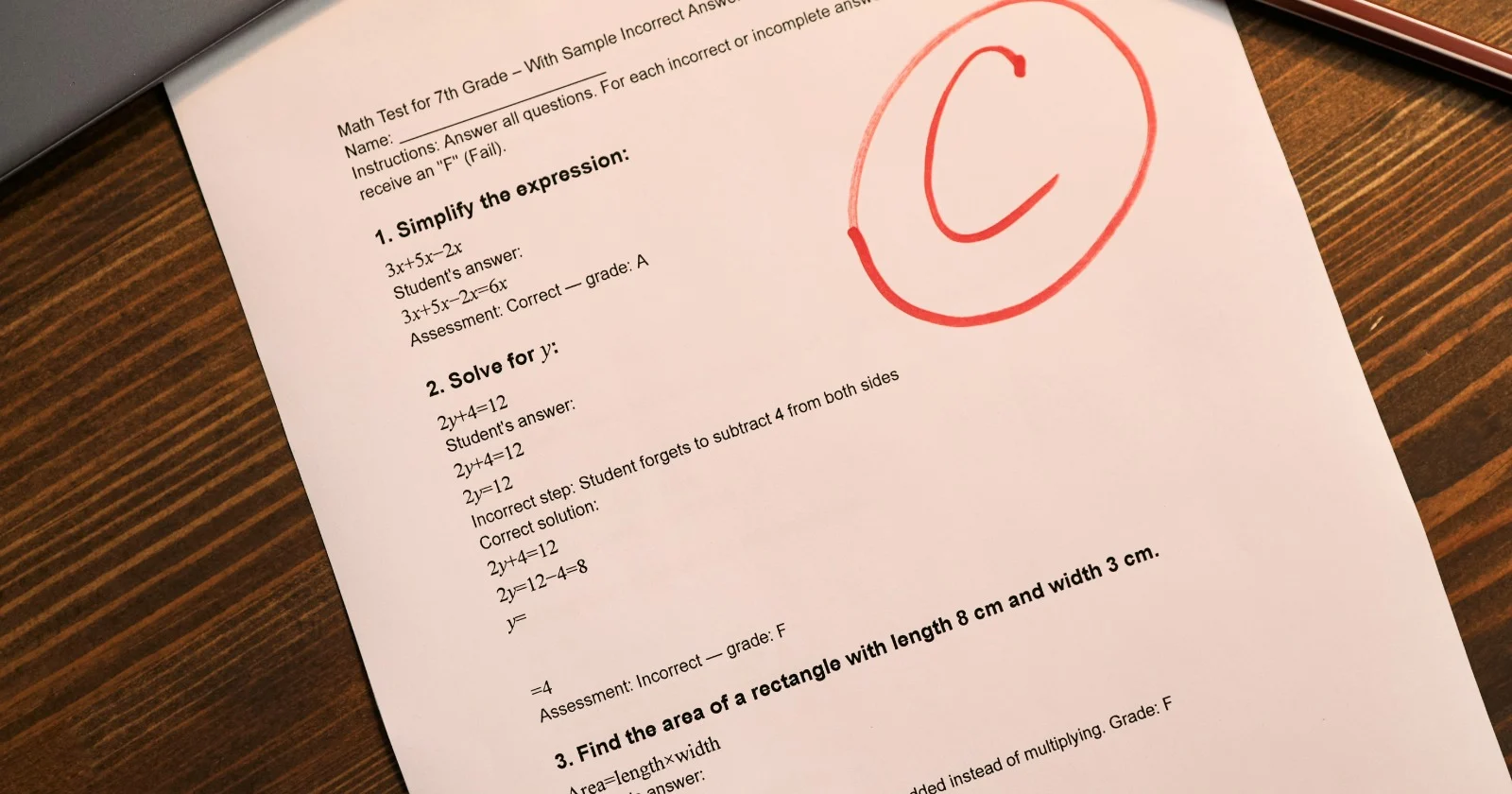
The state test report comes home in the fall and most parents have no idea what to do with it. Here is what proficient actually means, why one year is not a verdict, and the difference between a score and a growth measure that schools rarely explain well.
Mary Johnson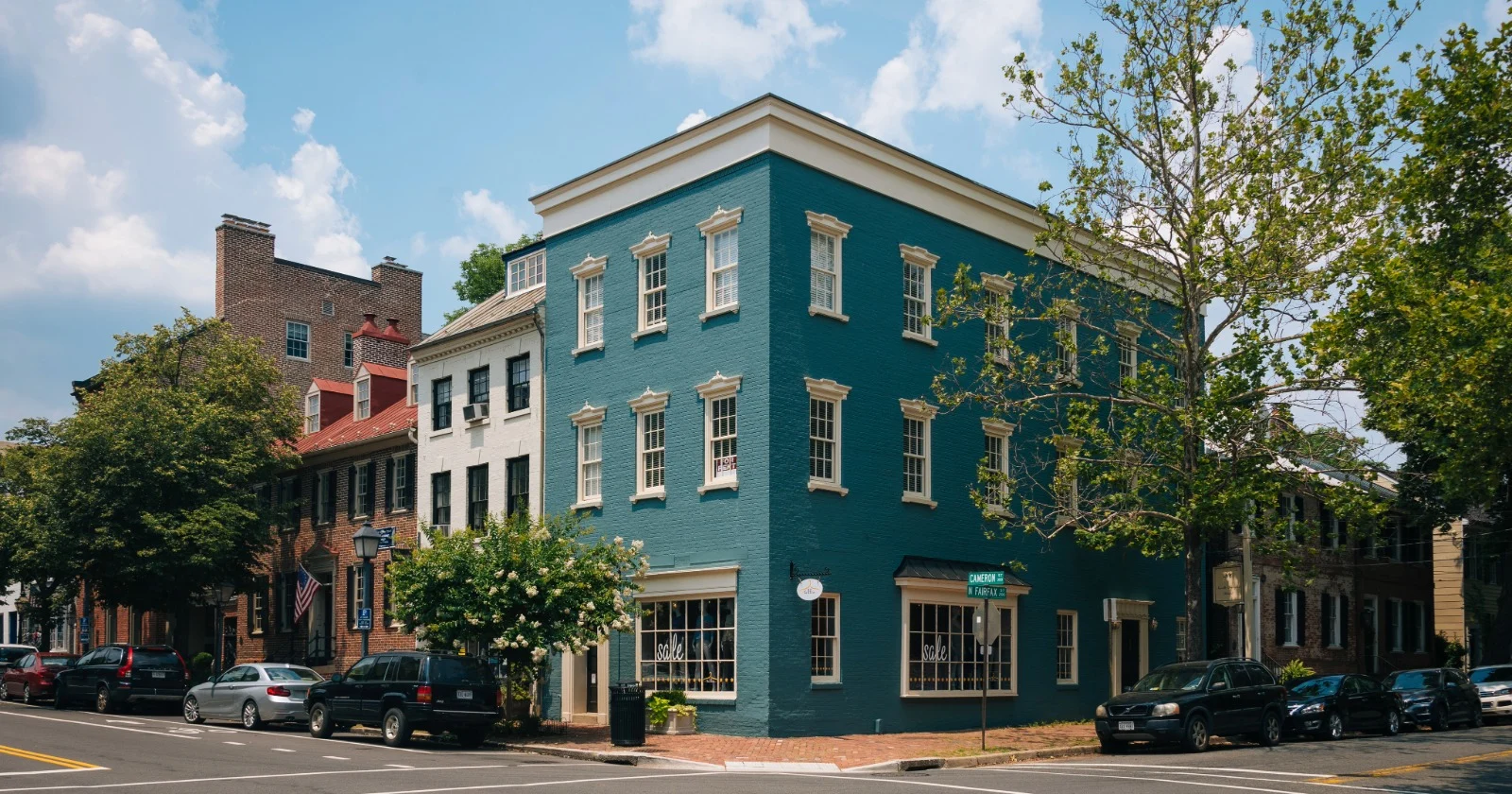
6/18/2026
Northern Virginia holds some of the strongest public high schools in the country, led by a selective magnet that passes the state test at essentially 100 percent. Here is how the comprehensive high schools of Fairfax, Loudoun, Arlington, and Prince William counties rank on Virginia’s SOL pass rates.
Arthur Chen
6/17/2026
Free and reduced lunch eligibility is the number researchers and rankings use to measure how poor a school is. Here is what FRL actually counts, why it triggers Title I money, and why a high-poverty school is not the same thing as a low-quality one.
Kate Carter
6/16/2026
Across the Charlotte metro, public high school performance swings from the low 40s to the high 80s on North Carolina’s grade-level proficiency measure, and the strongest results sit in the Union County and north-Mecklenburg suburbs rather than inside the city. Here is how the suburbs rank.
Kate Carter
6/15/2026
The National Blue Ribbon banner hangs in school lobbies across the country. The federal award ended in 2025 and states now run their own, so here is how schools were picked, the two ways a school could qualify, and what the honor does and does not tell you.
Arthur Chen
6/14/2026
A charter school is a free public school that an independent board runs under a contract instead of the local district. Here is how charters compare with district and private schools on admission, money, rules, and results.
Kate Carter
6/13/2026
A 15-to-1 student-to-teacher ratio does not mean 15 kids in your child's class. Here is the difference between ratio and class size, what the research on the Tennessee STAR study actually found, and when the number on a school profile is misleading you.
Arthur Chen
6/12/2026
If your child has been identified as needing support at school, you've probably heard both terms: IEP and 504 plan. They sound similar, they both involve meetings and paperwork and school staff, and they both exist to help students with disabilities access their education. But they are fundamentally different in what they provide, which law governs them, who qualifies, and what happens if the school doesn't follow them. Getting the...
Kate Carter
6/11/2026
The hardest part of identifying a learning disability in your own child is the gap between knowing something is wrong and knowing what it is. Most parents arrive at the question not through sudden revelation but through accumulation: a teacher's comment here, a pattern of frustration there, months of watching a child work twice as hard as their peers for half the result. By...
Mary Johnson
6/10/2026
You've probably seen "Title I school" in news coverage, school profiles, or policy discussions and wondered what it actually means. The label carries assumptions in both directions: some people hear it as a mark of failure, others as evidence of extra support. Neither framing is quite right...
Kate Carter
6/9/2026
The case for private school usually goes something like this: better outcomes, smaller classes, more focused environment, and the kind of network and signaling value that pays dividends for decades. It's a case that sounds compelling and, in specific circumstances, is compelling. But it rests on an assumption that doesn't hold in all fifty states equally: that the private school option is actually better than the public school option in the same area...
Kate Carter
6/8/2026
Most of the debate around school start times focuses on test scores and mental health. Those are legitimate concerns worth the attention they get. But there is a third consequence of early school start times that rarely makes it into school board presentations or parent meetings, even though it is arguably the most urgent argument for change: the relationship between early morning classes and teen car accidents...
Arthur Chen
6/7/2026
The accusation of favoritism is one of the most uncomfortable a teacher can receive, partly because it's hard to disprove and partly because it forces you to examine your own behavior in ways that aren't always comfortable. A parent who believes their child is being treated unfairly compared to classmates is already in a defensive posture when they contact you, and the wrong response in the first thirty seconds can turn a manageable complaint into a formal grievance...
Mary Johnson
6/6/2026
If someone asked you to name the city with one of the best public high schools in the United States, you would probably say Palo Alto, or Southlake, or maybe one of those small Connecticut towns where the median home costs $2 million and the parent association runs a bigger budget than most school districts. You would not say Evansville, Indiana...
Arthur Chen
6/5/2026
In school, K-12 means the full range of grades from kindergarten through 12th grade. It is used to describe the complete span of American public education, from the first year of formal schooling through the last year of high school. When a school, district, program, or policy describes itself as K-12, it means it applies to or serves students across all those grades, rather than focusing on just elementary, middle, or high school alone...
Mary Johnson
6/4/2026
K-12 stands for kindergarten through 12th grade. The K represents kindergarten, the starting point of formal public education in the United States, and the 12 represents 12th grade, the final year of high school. Together they cover the full span of compulsory public education, typically from ages 5 or 6 through 17 or 18...
Mary Johnson
6/3/2026
The answer to which school district in Texas ranks number one depends on which measure you use, but several of the most credible metrics point to the same district: Carroll ISD in Southlake. And while a handful of other districts make legitimate claims depending on the methodology, Carroll's consistency across multiple measures over multiple years gives it the strongest case for the top spot among Texas's 1,200-plus school districts...
Mary Johnson


