

A high school in western New York is about to become the first in the country to put a humanoid robot in front of students. Almost everyone with a stake in it, except the district and the vendor, is asking it not to.
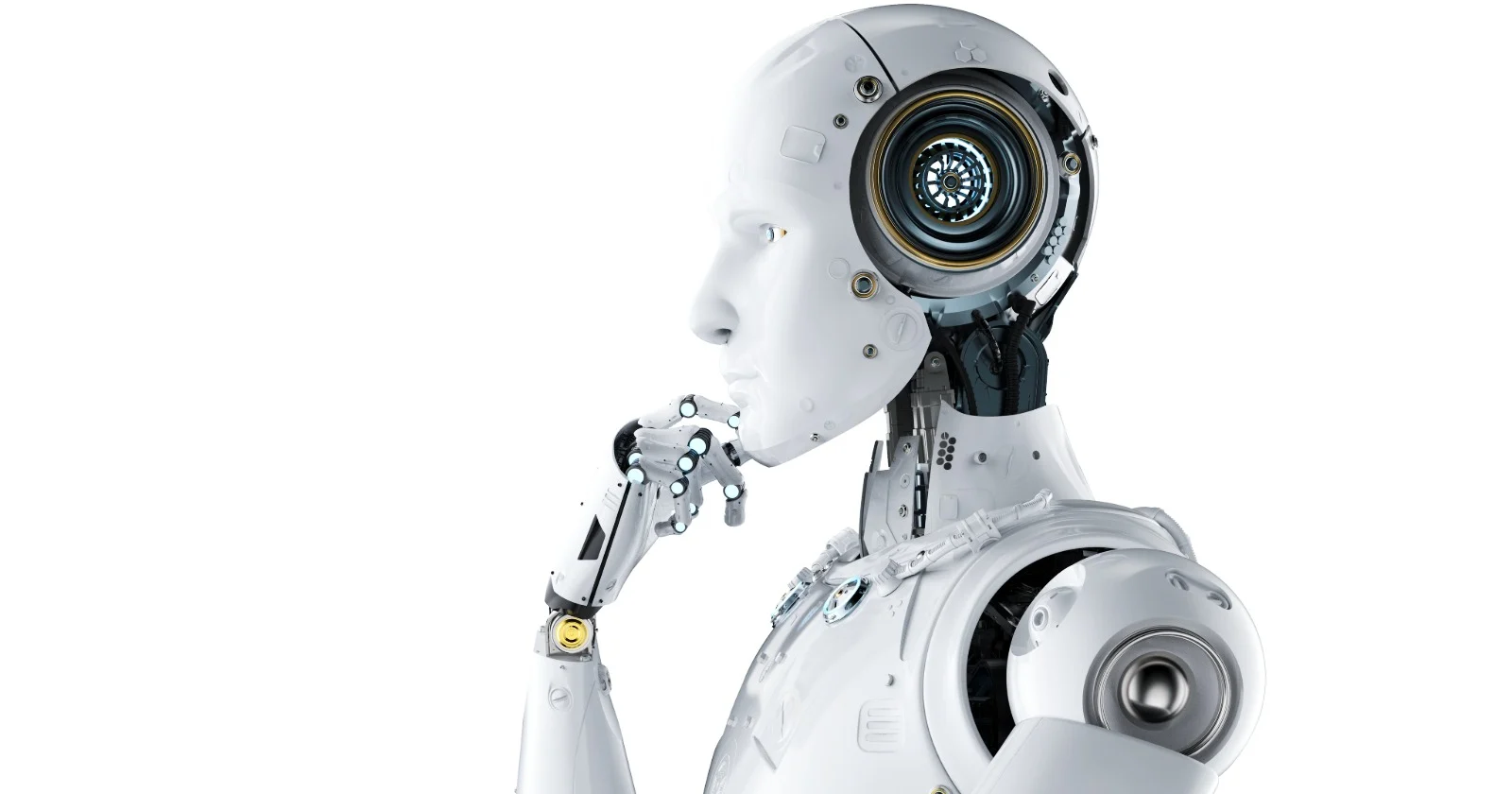
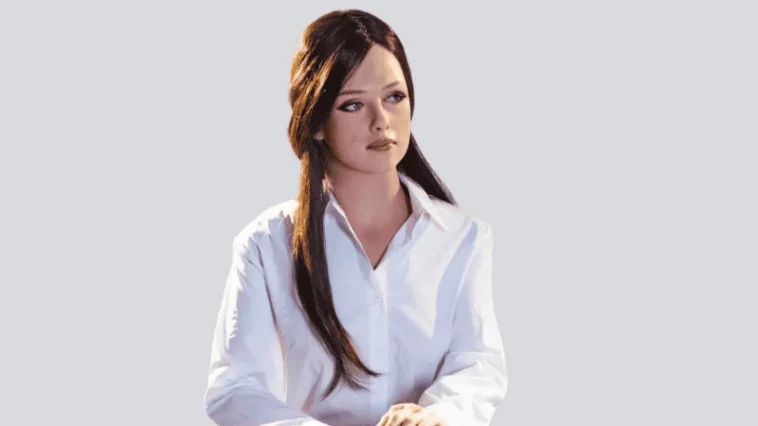
Salamanca High School, in the city of Salamanca on the Allegany territory of the Seneca Nation, will pilot a humanoid robot named Sally alongside an AI teaching assistant this fall. The Salamanca City Central School District paid $57,590 for the robot. According to a program presentation, Sally will run as a closed-loop system, available to students virtually around the clock for those with access, offering personalized learning.
The Company Behind the Robot
Part of what has unsettled people is who built it. The robot comes from Realbotix, a Toronto-based company formerly known as Tokens.com, which pivoted from crypto to humanoid robots. In April 2024 it bought Simulacra, a Las Vegas company known for realistic sex dolls, for $16.7 million. Those dolls are made by Abyss Creations, a Realbotix subsidiary. Realbotix has denied ties to the sex doll business and rejected any suggestion that those products relate to the school pilot.
For the local union, the corporate history is only the opening question. Lacey Pihlblad, president of the Salamanca Teachers' Association and a teacher at the school, said the concerns run to the software itself. "The Salamanca teachers' union as a whole is concerned about the background of the company of Realbotix. We're very concerned about the security of the software that they're implementing, and whether or not the data will be stored, how it will be gathered, are the recording capabilities," she said.
Her ask is a pause, not a ban. "We would like to see the school district pause implementing the robot, pause implementing the software aspect of this AI technology until we can have more individuals weigh in." She noted the state has been moving toward less screen time, not more, and said the union is negotiating a new contract and intends to include AI protections in it.
The State Has Concerns Too
The New York State Education Department has been in contact with the district about the purchase and, according to assistant commissioner of public affairs JP O'Hare, raised serious concerns about student privacy, adequate safeguards, and "the risk that the robot could be used to perform functions that should remain the responsibility of trained, qualified professionals."
"Technology can and should support educators and students, but it should not replace the human judgment or accountability essential to a safe and effective learning environment," O'Hare said.
Melinda Pearson, president of New York State United Teachers, said the alarm extends well past one building. "Our members in Salamanca and educators across the state are sounding the alarm that this is really inappropriate," she said. "I would say our initial reaction is this is kind of creepy." Her objection is developmental, not technophobic. "The answer to the challenges in education is not more screens, it's not more algorithms, not more robots. What we need in our schools right now are more caring adults and more human connection," she said, adding that putting a human-looking machine in front of teenagers still learning how to read people and resolve conflict is "exactly the wrong thing for us to be doing."
Why the Location Is Its Own Objection
Salamanca is the only city in the country located on a reservation, and the high school serves a heavily Native student body. Our own review of federal enrollment data shows 159 of the school's 493 students, roughly a third, are Native American; the community and reporting put the figure closer to 40%.
To residents, that makes the choice of test site impossible to read as neutral. "Out of all the schools in New York state, let alone in the US, they chose to experiment on Native American children yet again," said Sierra May Abrams, a substitute teacher at the school and local resident. She pointed to the damage done by Native American boarding schools. "Our culture is struggling to stay alive due to the impact of the Native American boarding schools and what they did to our elders."
Alyson Brown, a community health specialist, Seneca Nation member, and Salamanca graduate, said the history is not distant for these families. "Many students have connections to relatives who attended the Thomas Indian school located on our Cattaraugus territory. Many native families are viewing this pilot program as history repeating itself," she said. "I worry for the cognitive development of young minds in this exposure." The Seneca Nation declined to comment.
What the District and Vendor Say
Realbotix described a limited fall 2026 pilot of the AI assistant Optio and a single M-Series humanoid unit, framed as an addition to existing coursework. "The program is intended to complement, not replace, teachers by giving students supervised access to emerging AI and robotics tools as part of the district's existing Stem curriculum," a spokesperson said, adding that it gives educators a chance to evaluate the technology under district oversight. The company did not address the criticism from teachers or Native residents. The district and Superintendent Mark Beehler did not respond to repeated requests for comment.
Sources
The Guardian: 'Really inappropriate': teachers decry plan for humanoid robot in New York high school
allk12 analysis of National Center for Education Statistics (NCES) enrollment data for Salamanca High School.