



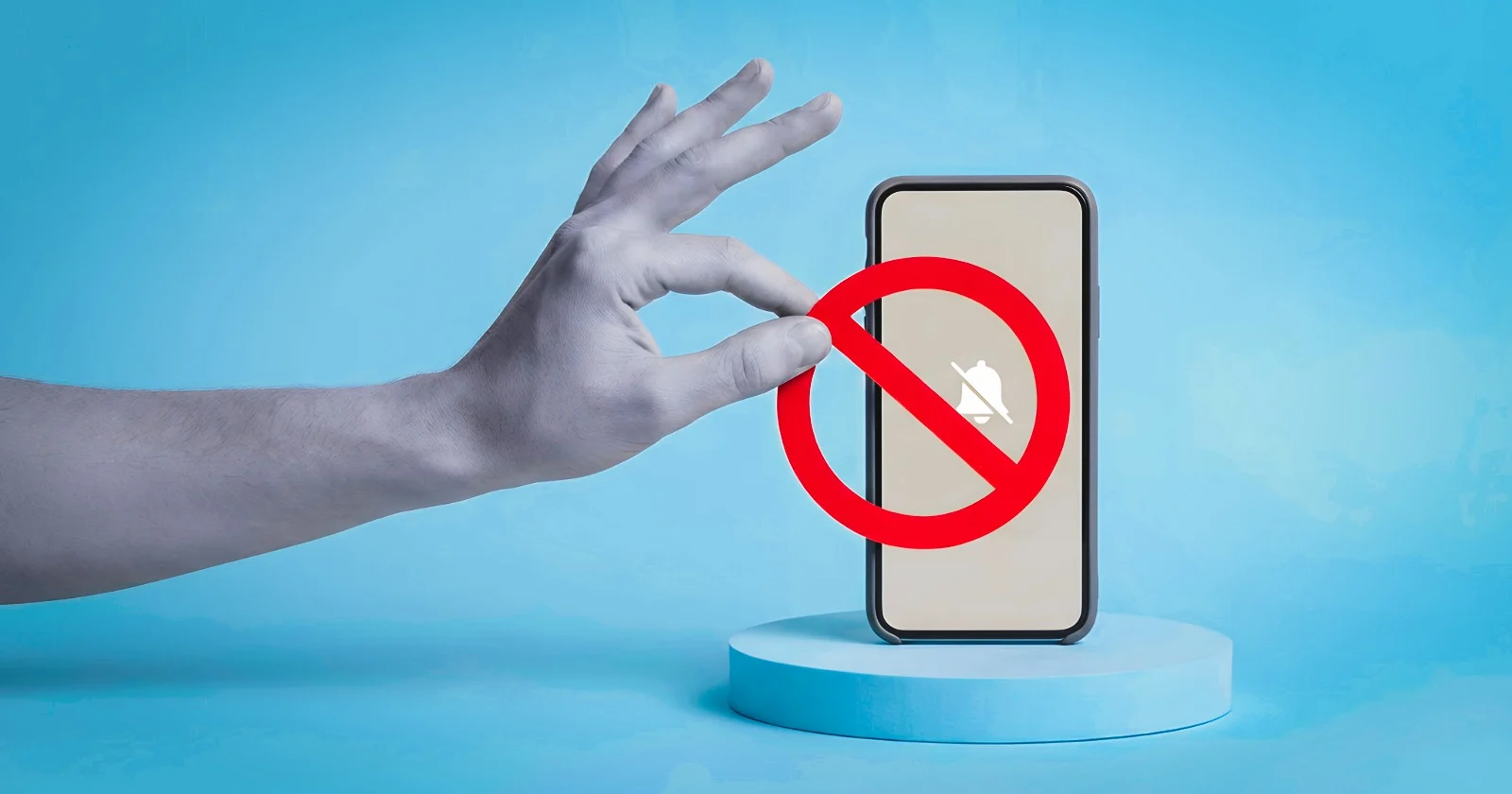
The Los Angeles Unified School District, the second-largest school system in the country, has approved sweeping new limits on how much time its roughly 400,000 students can spend on district-issued devices, banning screen time outright for the youngest grades and capping it for everyone else.
The school board approved the guidelines on June 23. They build on a cellphone and social media ban the district passed in 2024, and they arrive amid a growing national pushback against the flood of technology that entered classrooms over the past decade.
The new rules scale by grade and phase in over several months:
- Early education, kindergarten and first grade: no screen time at all, with implementation beginning in August 2026.
- Grades 2 and 3: up to 20 minutes a day, capped at 100 minutes a week including homework, beginning in November 2026.
- Grades 4 and 5: up to 30 minutes a day, or 150 minutes a week including homework, also beginning in November 2026.
- Grades 6 through 8: a maximum of 60 minutes per subject per week, homework included.
- Grades 9 through 12: 90 minutes per subject per week, homework included.
The limits for sixth grade and up take effect in January 2027.
"The screen time policy approved yesterday includes eliminating screen time for students in Early Education through 1st grade, reducing screen time across all grade levels, and refining how instructional tools are utilized to better support teaching and learning," a Los Angeles Unified spokesperson said in a statement. "These changes reflect the District's focus on balancing the use of technology with teacher-led instruction, hands-on learning, and meaningful student engagement."
The district said it would keep working with educators, families, and experts as the policy rolls out.
A Reversal After a Decade of Devices
The vote marks a sharp turn for a district that, like most in the country, spent years putting a Chromebook or an iPad in front of nearly every student. That push accelerated during the COVID-19 pandemic, when remote learning made devices the primary way millions of children attended school at all. What began as a stopgap hardened into a default, and the backlash to it has been building since classrooms reopened.
Board member Nick Melvoin, who championed the limits, celebrated the approval on Facebook. "Our work continues to ensure thoughtful classroom technology use, but today was a huge step toward finding that balance and making it a reality for students and families," he wrote.
Schools Beyond Screens, a nonprofit that campaigns to keep screens out of classrooms, called the policy the product of "over a year of coordinated and consistent effort from parent volunteers, teachers, and students who have had enough of Big Tech's encroachment into our schools." The group said the change acknowledged a body of research on the potential harms of unrestricted device use.
Part of a National Backlash
Los Angeles is not acting alone. Districts across California and the country have moved to rein in classroom technology and personal phones over the past two years, and the medical establishment has shifted with them.
In January, the American Academy of Pediatrics issued new guidance warning that screen-time limits alone are no longer enough to keep children safe and healthy in a digital world. The group cautioned that low-quality digital use, including mindless scrolling, autoplay videos, constant notifications, and algorithms that surface extreme content, can overstimulate children and contribute to problems with sleep, learning, engagement, and emotional regulation.
The Los Angeles cellphone and social media ban that preceded this policy, approved in 2024, itself followed a national warning shot. It passed one day after then-Surgeon General Dr. Vivek H. Murthy called for a warning label on social media platforms in a New York Times op-ed. Overseas, Australia has gone further still, enacting a social media ban for children under 16.
For a broader look at how these fights are playing out in individual schools, see our earlier report on whether phones should be banned in schools, where parents and teachers do not always agree.
What Comes Next
The hardest part of any policy like this is enforcement, and Los Angeles has given itself a long runway. The youngest-grade ban starts first, in August 2026, followed by the elementary caps in November and the secondary limits in January 2027. That staggered timeline gives schools months to rework lesson plans that had been built around daily device use, and it gives the district time to define how the per-subject weekly caps will actually be tracked in a middle or high school where a student moves through six classes a day.
What is not in doubt is the direction. The nation's second-largest district has decided that the answer to a decade of screens in the classroom is fewer of them, and its size means other districts will be watching how it goes.
Sources
ABC News: LA School District Approves New Screen Time Limits for Students
PBS News Hour Classroom: Why More School Districts Are Limiting Screen Time for Students
American Academy of Pediatrics (HealthyChildren.org): Media and Children