



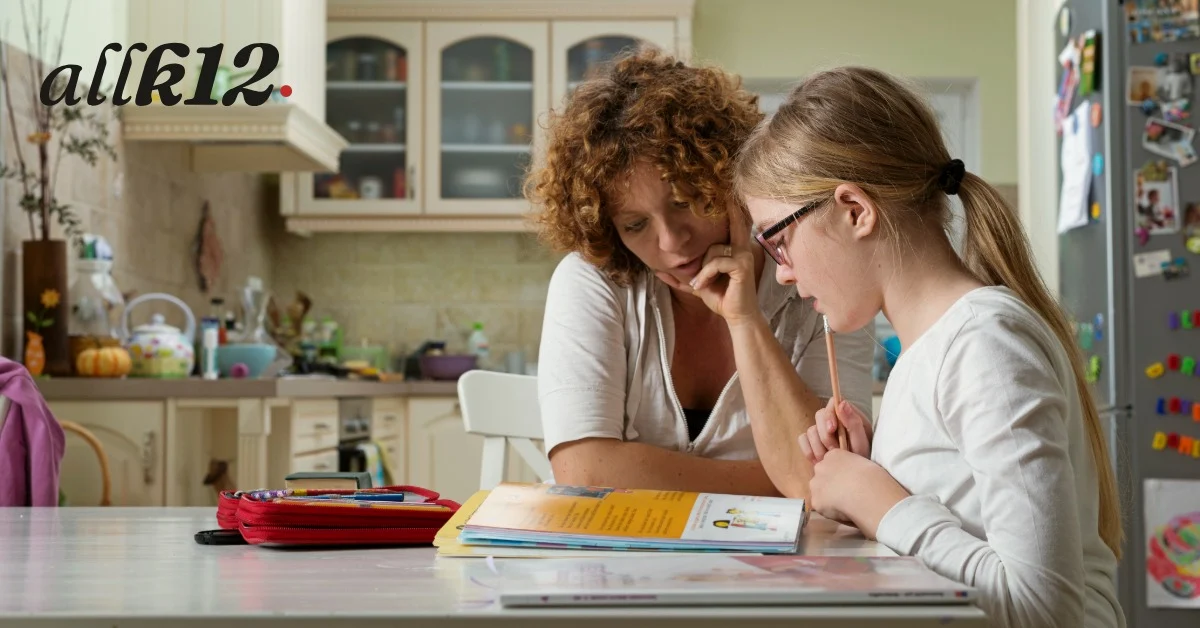
The homework folder comes home every Monday. Twenty minutes of reading, a math worksheet, maybe a spelling list. Parents sign the log, kids do it at the kitchen table, it goes back in the backpack. It feels productive. It feels like school is happening at home, which must be a good thing.
Except when you look at what the research actually shows for elementary-aged kids, the case for homework below sixth grade is surprisingly thin. Not controversial-thin, where reasonable people disagree. Genuinely thin, where the people who have studied this most carefully keep arriving at the same uncomfortable conclusion.
What the Research Shows
The most comprehensive work on homework and academic outcomes comes from Harris Cooper, a Duke University psychologist who has been reviewing homework research since the 1980s. His meta-analyses, covering dozens of studies and hundreds of thousands of students, consistently find the same pattern: there is a moderate positive correlation between homework and achievement for high school students, a weak and inconsistent correlation for middle school students, and essentially no measurable correlation for elementary school students.
That last finding is not a footnote. It is the headline. For kids in grades K through 5, the research does not support the idea that homework improves academic outcomes in any reliable way. Cooper's own summary: the average correlation between time spent on homework and achievement in elementary school is around zero.
A 2006 study by Alfie Kohn, whose book The Homework Myth became a touchstone in this debate, reviewed the same literature and reached a sharper conclusion: not only is there no evidence that homework helps young children academically, there is evidence that excessive homework is actively associated with negative outcomes, including decreased interest in school, increased anxiety, and family conflict. The research Kohn drew on was not fringe. It included studies published in peer-reviewed journals over several decades.
More recent work has reinforced these findings rather than complicated them. A 2019 study published in the American Journal of Family Therapy found that elementary students in high-homework schools reported significantly more stress and physical health complaints than those in low-homework schools, with no corresponding academic advantage to show for it.
Why Schools Keep Assigning It Anyway
If the evidence is this consistent, why is homework still standard practice in most elementary schools across the country, including in places like Gwinnett County and throughout Georgia?
Part of the answer is institutional inertia. Homework has been a feature of American schooling for so long that eliminating it feels like a radical act even when the evidence supports doing so. Teachers assign homework because they were assigned homework. Principals expect it because parents expect it. Parents expect it because it signals that their child's school is rigorous.
Part of the answer is that homework serves functions that have nothing to do with academic outcomes. It communicates to parents what is being covered in class. It creates a routine that some families find valuable. It signals effort and seriousness in a way that is legible to the community even if it doesn't show up in test scores.
And part of the answer is genuine disagreement about what homework is supposed to accomplish. Teachers who assign reading logs aren't necessarily trying to improve literacy scores directly. They're trying to build reading habits. Whether a mandatory nightly log actually builds those habits, versus making reading feel like a chore, is a separate question that the research doesn't settle cleanly.
The Equity Problem Nobody Talks About Loudly Enough
Even if you set the academic effectiveness question aside, elementary homework has an equity problem that deserves more attention than it gets.
Homework assumes a home environment with time, space, and adult support available in the evenings. For a significant share of elementary students, those conditions don't reliably exist. Parents working multiple jobs, households where English isn't the primary language, kids in after-school care until 6 PM, families without a quiet space for a child to sit and work. In those households, homework doesn't just fail to help. It creates a performance gap between kids based on their home circumstances rather than their academic ability.
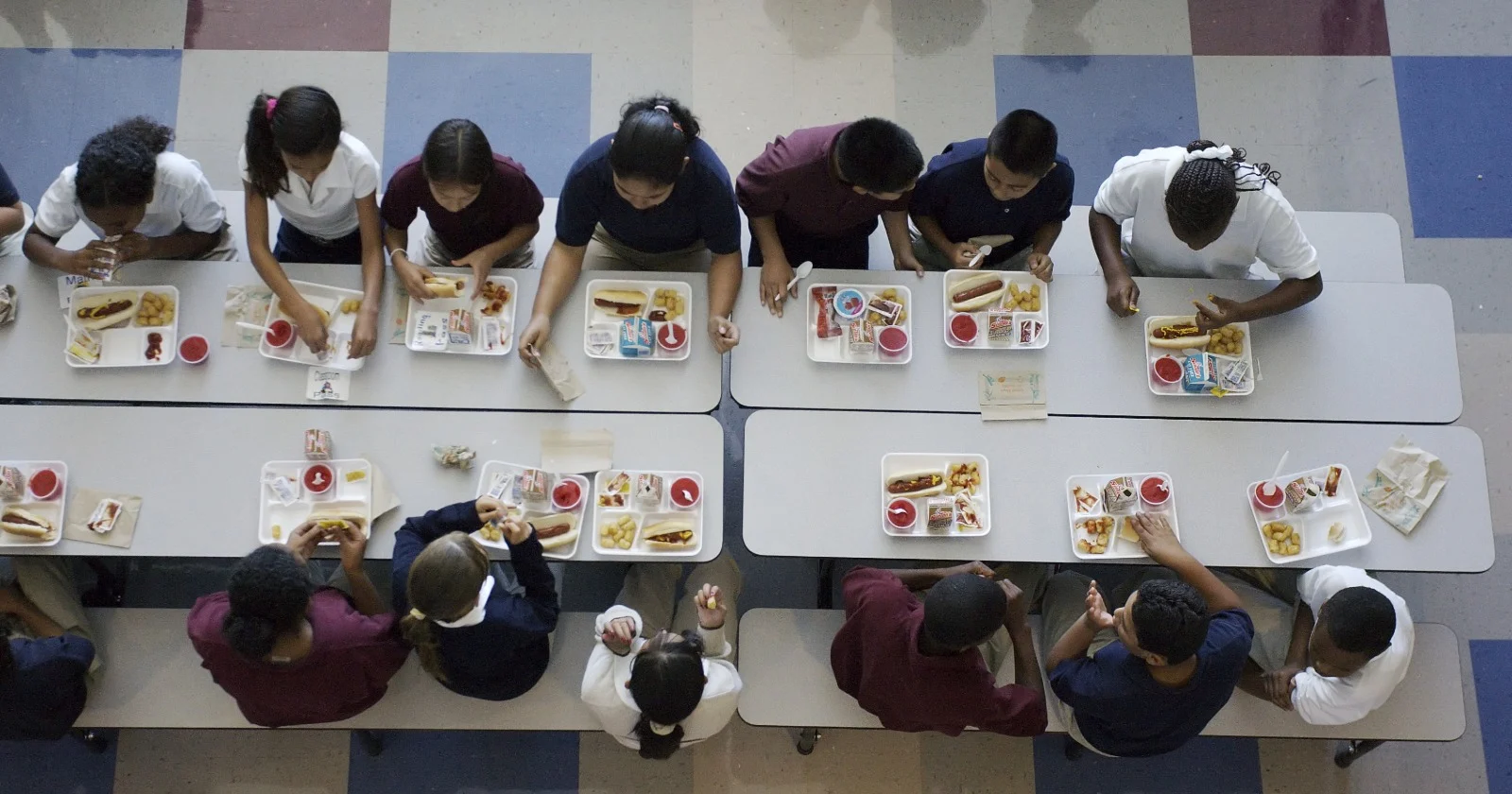
In Gwinnett County, where roughly 53% of public school students qualify for free or reduced-price lunch, this is not a marginal concern. More than half the student population is in households that meet the federal low-income threshold. Homework policies designed with a certain kind of home environment in mind are not neutral policies when a large share of students don't have that environment.
Some districts have started factoring this in explicitly. Several schools have adopted no-homework-except-reading policies for elementary grades, reasoning that independent reading is the one assignment that has some evidence behind it and the most flexibility in how it gets done. Others have moved to homework that doesn't require parent involvement by design, keeping it genuinely independent work that a child can complete without adult help.
What the Pro-Homework Argument Actually Rests On
The most credible defense of elementary homework isn't about academic outcomes. It's about habit formation. The argument is that homework teaches children to manage time, follow through on responsibilities, and develop the kind of self-discipline that will matter more as the academic demands increase in middle and high school.
This is a reasonable argument. It's also largely untested. The research on whether elementary homework actually develops these habits, as opposed to simply requiring parents to manage and remind children until the work gets done, is thin. There's a meaningful difference between a child developing self-regulation skills and a child completing work because a parent is sitting next to them every evening.
The habit-formation argument also runs into a timing problem. If the goal is to build habits for middle school, assigning homework in second grade is a seven-year head start. Whether that much runway is necessary, or whether the same habits could be built with far less homework starting in fourth or fifth grade, is an open question.
What Some Districts Are Actually Doing
A growing number of districts have moved toward no-homework or low-homework policies for elementary grades and reported no negative academic effects. Orchard Elementary School in Vermont eliminated homework in 2016 and asked families to prioritize dinner, outdoor time, and reading instead. Test scores did not decline. Marion County Public Schools in Florida eliminated nightly homework for K-5 students in 2017 and replaced it with a 20-minute independent reading requirement. Several districts in Texas and Florida have adopted similar policies in recent years.
What these districts have in common is that they communicated the change explicitly to families, explained the research behind it, and offered reading as a replacement rather than simply eliminating homework with no substitute. The parent backlash, which administrators universally anticipated, was consistently smaller than expected once the reasoning was explained.
The Practical Question for Parents
If your elementary school assigns homework and you're skeptical of its value, what do you actually do with that information?
One option is to let your child skip it and absorb the consequences, which in most elementary schools are minimal since homework rarely counts toward grades at this level. Another is to set a hard time limit, fifteen or twenty minutes, and stop when the time is up regardless of whether everything is finished. A third is to raise it with the teacher directly, not as a complaint but as a genuine question about what the homework is intended to accomplish and whether there's flexibility.
The parents who get the most traction on this tend to be the ones who come in with the research rather than just frustration. A teacher who hears "my kid hates the homework" is hearing a parenting problem. A teacher who hears "I've been reading about the Cooper meta-analyses and I'm curious what your thinking is on homework at this age" is hearing a different conversation.
If this is something other parents at your school are thinking about, the discussion board for your school on allk12 is the right place to find out. Policies like this tend to change when groups of parents ask together, not when individual families opt out quietly.