



The United States has recorded more than 2,700 confirmed measles cases in 2026, according to the CDC, the highest total in more than 30 years. Dozens of separate outbreaks have been reported across most states, and the overwhelming majority of cases are tied to those outbreaks rather than isolated travel infections.
For families, the question to ask is what happens if measles reaches your child's school, and what to have squared away before it does.
Why schools are the pressure point
Measles is extraordinarily contagious. The virus spreads through the air and can linger in a room for up to two hours after an infected person leaves, and among susceptible people exposed to someone infectious, roughly 9 in 10 will catch it. Put that in a building where hundreds of children share air, hallways, and lunch tables, and a single case becomes a community event.
What protects a school is not any one child's vaccination but the share of the whole group that is immune, and that share has been slipping. Kindergarten MMR coverage nationally fell from about 95.2% in the 2019-20 school year to 92.4% in 2025-26, which federal officials estimate leaves roughly 280,000 kindergartners unprotected. Measles requires unusually high coverage, around 95%, before a community reliably stops chains of transmission, so a few points of slippage matters more with measles than with almost any other disease. National averages also hide the real risk, because vaccination clusters: a state at 92% can contain individual schools far below that, and those are where outbreaks take hold.
What happens when a case reaches a school
When a confirmed case is identified in a school, the local health department investigates and identifies who was exposed. Students and staff who cannot show evidence of immunity are typically excluded from school for 21 days from their last exposure, which matches the incubation period. That is not a punishment; it is the standard tool for stopping spread, and districts from Colorado to Pennsylvania have used it this year.
Twenty-one days is close to a month of missed school. It applies to students who are unvaccinated for any reason, including medical or religious exemption, and it can be triggered by a single confirmed case in the building. Families who assume an exemption only matters in theory often learn otherwise during an outbreak.
There is one important exception worth knowing in advance: a susceptible person who receives an MMR dose within 72 hours of first exposure can generally return to school rather than sit out the 21 days. That window is short, which is why knowing your child's status now, rather than looking for records during an outbreak, is the single most useful thing a parent can do.
What to check before you need it
Confirm your child's records. Find the actual immunization record and check that both MMR doses are documented, not just remembered. Most states run an immunization registry your pediatrician can pull from, and schools keep records too. If your family has moved recently, records sometimes do not follow cleanly between districts, so it is worth confirming the new school actually has them.
Know the schedule. The CDC recommends the first dose at 12 through 15 months and the second at 4 through 6 years, usually before kindergarten. Two doses run about 97% effective, one dose about 93%. Children who missed a dose can catch up at any age, and adults uncertain of their own status can ask a doctor. Families traveling internationally with an infant can ask about an early dose from 6 months, which does not replace the routine two.
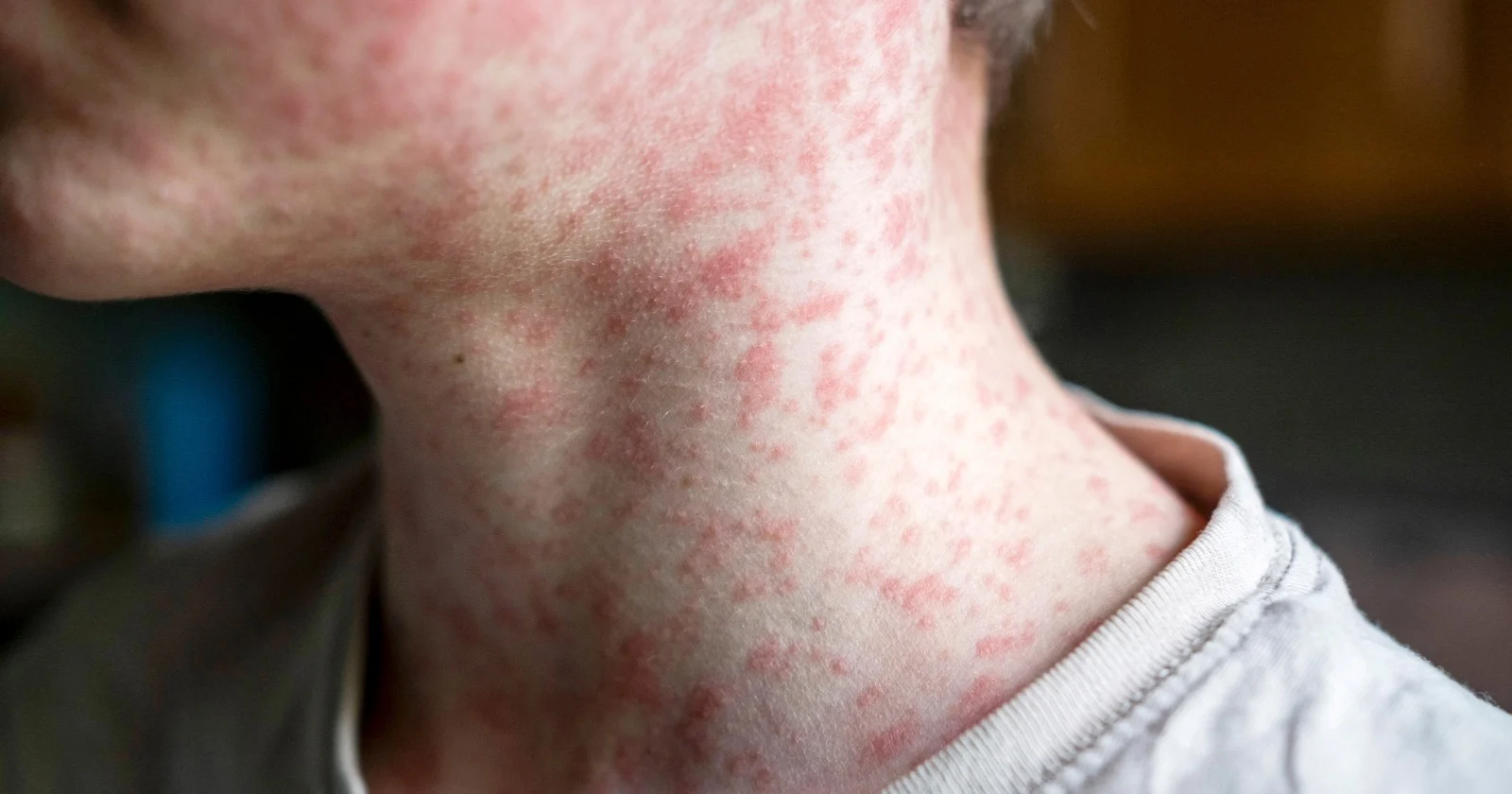
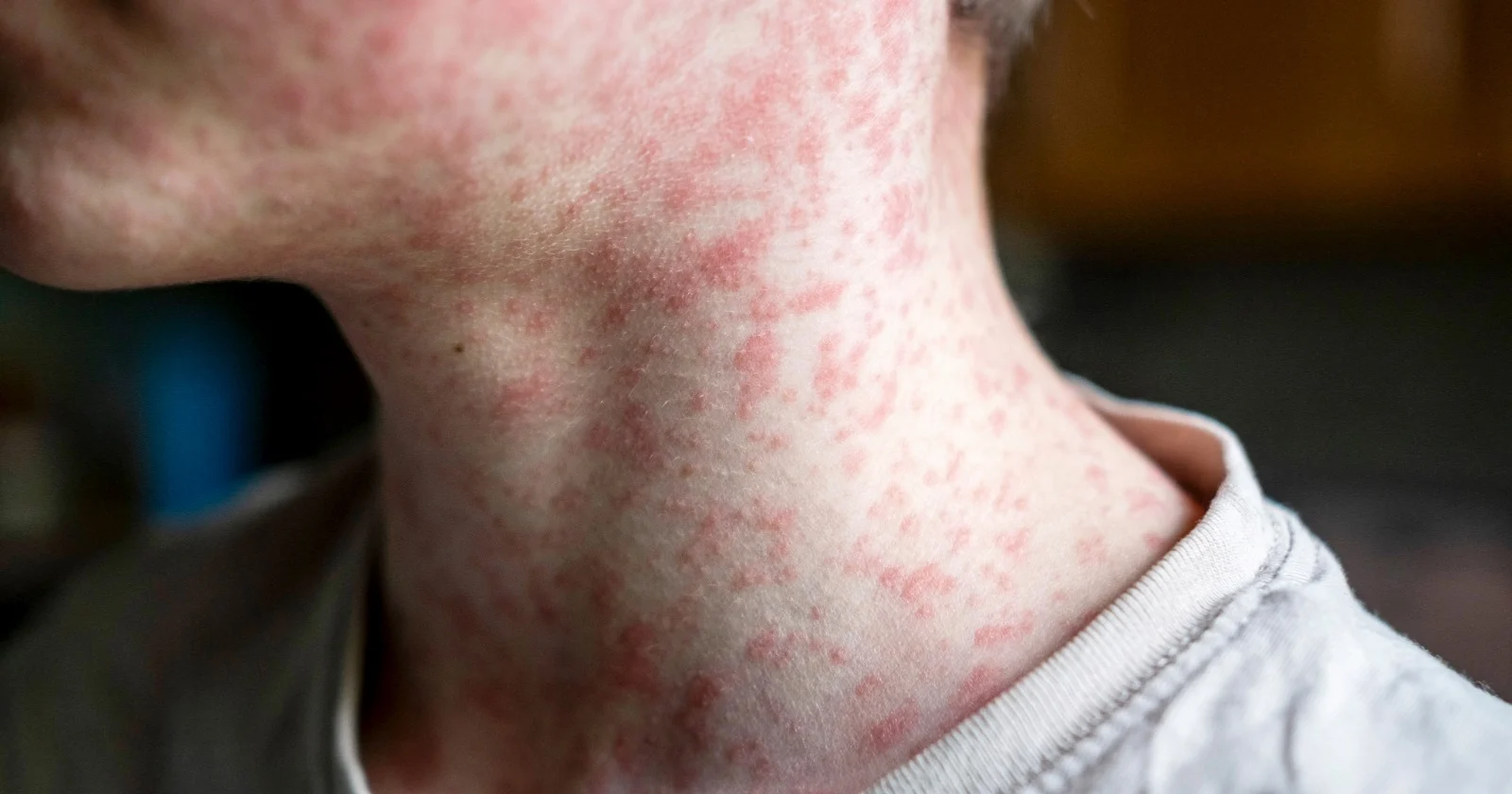
Learn the symptoms and act early. Measles usually opens like a bad cold: high fever, cough, runny nose, and red watery eyes, with the telltale rash appearing a few days later, starting at the hairline and moving down. People are contagious for about four days before the rash appears, which is why it spreads before anyone suspects measles. If you think your child has it, call ahead rather than walking into a waiting room, so the clinic can prevent exposing others.
Ask your school what its plan is. Districts and health departments handle notification differently. It is a fair question for a school nurse or principal now, when nobody is under pressure, and a reasonable thing to raise at a board meeting if your district has not communicated one.
The Pan American Health Organization has delayed until November a decision on whether the United States keeps the measles elimination status it earned in 2000. That designation depends on stopping sustained transmission, and this year has tested it.
This article is general information, not medical advice. For guidance about your own child, including vaccination timing, exemptions, and exposure, talk to your pediatrician or your local health department.
Sources
CDC: Measles Cases and Outbreaks
CDC: Measles Vaccine Recommendations
School exclusion practice reflects CDC guidance as implemented by state and local health departments; specific rules vary by state.