
If your child says they hate school, they have a lot of company. In a national survey of 21,678 high school students, researchers at the Yale Center for Emotional Intelligence found that nearly 75% of the feelings students described about school were negative. The most common was tired, named by 58% of students. Stressed and bored came next.
A newer survey looks a little better. In 2025, half of middle and high school students told Gallup and the Walton Family Foundation that school gives them the chance to do what they do best, up from 40% in 2023. But just over one in three did not feel they had learned anything interesting in the past seven days.
So "I hate school" often means "I'm bored" or "I'm exhausted." Sometimes it means something is wrong. The job for a parent is to figure out which.
Ask about the parts, not the whole
"How was school?" gets you "fine" or "I hate it." Narrower questions get more. Which class is the worst one? What time of day is hardest? Is it the work, a teacher, the bus, lunch, or other kids? Is there any part of the day that's OK?
The American Academy of Pediatrics lists the problems that most often sit underneath a child's resistance to school: fear of failure or perfectionism, falling behind in classes, being teased, worries about using a public bathroom, a teacher who seems mean, bullying online after school hours, and threats of physical harm. Its advice is to talk through the reasons, "consider all the possibilities and state them," and brainstorm solutions together.
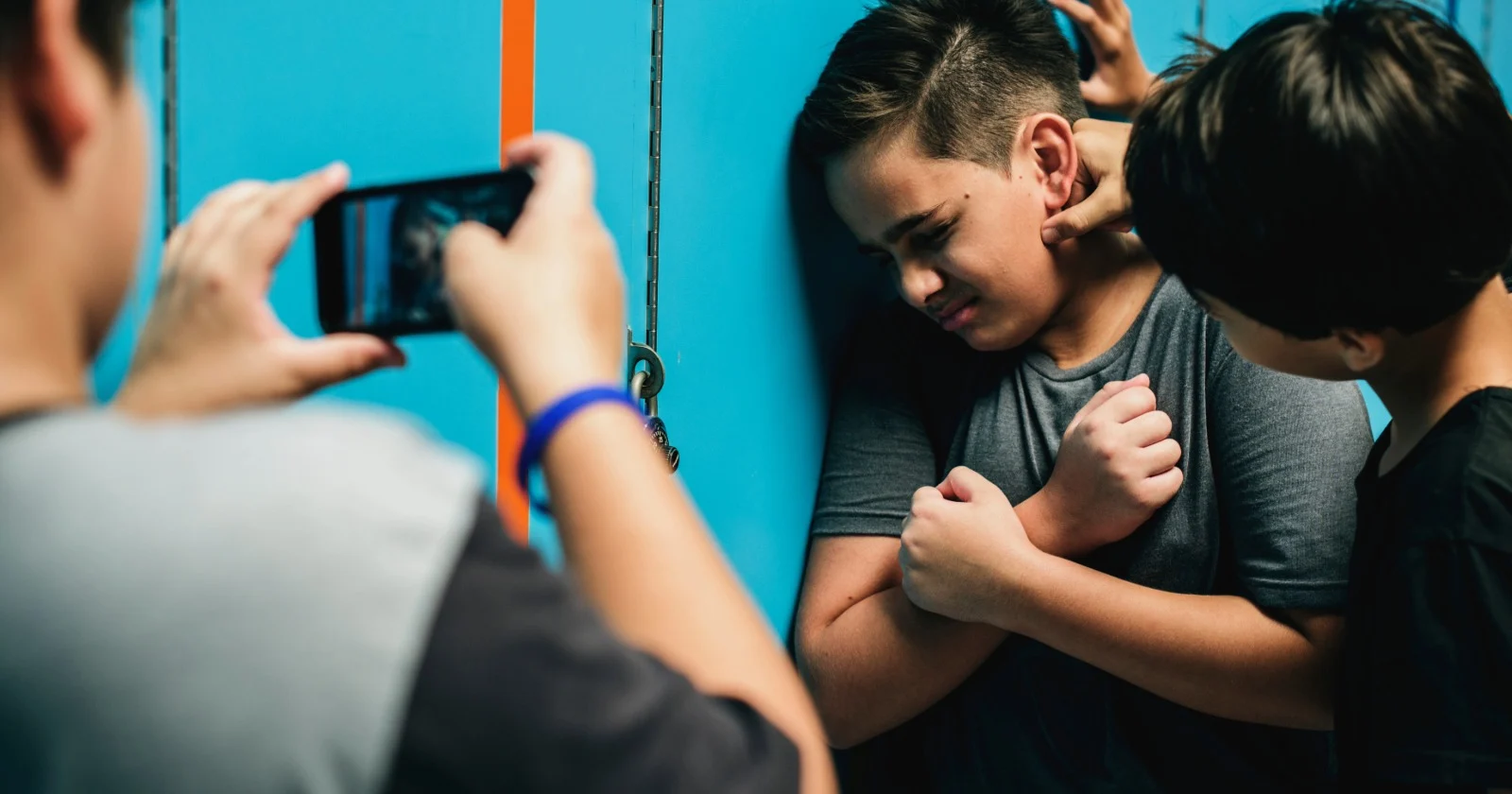
If the answer is one teacher, our guide to what to do when your kid says they hate their teacher walks through that conversation. If it's other kids, see the signs a child is being bullied at school. Fewer than half of bullied students tell an adult at school.
Check how much they're sleeping
Tired topped the Yale list for a reason. "It is possible that being tired is making school more taxing," said Zorana Ivcevic, a co-author of the study, "so that it is more difficult for students to show curiosity and interest." She also said boredom and tiredness can feel alike, and a tired student may describe it as being bored.
The academy has recommended that high schools start at 8:30 a.m. or later, but most start earlier, the Yale researchers noted. You can't change the bell schedule, but you can look at what time your child actually falls asleep on school nights.
Find one thing that works
Gallup's survey found that 78% of students had a teacher who made them excited about the future, up from 70% in 2023. Ask your child who that is for them, if anyone. A class they like, a coach, a club, or one teacher who notices them gives a kid a reason to show up on the bad days. The pediatrics academy also recommends encouraging activities with other kids outside the home, such as clubs and sports.
When it turns into school avoidance
Complaining about school is normal. Refusing to go is different. Doctors call it school avoidance or school refusal. Many of these children have anxiety-related symptoms they can't control, including headaches, stomachaches, hyperventilation, nausea, or dizziness, that show up most on school days and usually disappear on weekends, the academy says.
Its advice for parents:
- See the pediatrician first to rule out a physical illness.
- Get them back quickly. Acknowledge the worry, but "insist on their immediate return to school." The longer a child stays home, the harder the return gets.
- Keep mornings short. Don't ask how they feel on school mornings, when complaints peak.
- Bring in the school. Tell the teacher, principal, and school nurse your plan and ask for their help during the day.
- Try a gradual return if the anxiety is severe, such as a drive past the school one day and a half day the next.
- Don't make home fun. A sick day at home should come with no screen time, no special snacks, and no visitors.
If the avoidance lasts more than a week, the academy says the family may need professional help, and a pediatrician may refer the child to a mental health professional.
Missed days add up fast. A student who misses 10% of the school year, about 18 days, counts as chronically absent, whether the absences are excused or not. Our explainer on chronic absenteeism covers what that label means.
Sources
Yale News: National survey: Students' feelings about high school are mostly negative
Gallup: Gen Z Students More Engaged in School, Ready for the Future (August 2025)
American Academy of Pediatrics, HealthyChildren.org: School Avoidance: Tips for Concerned Parents