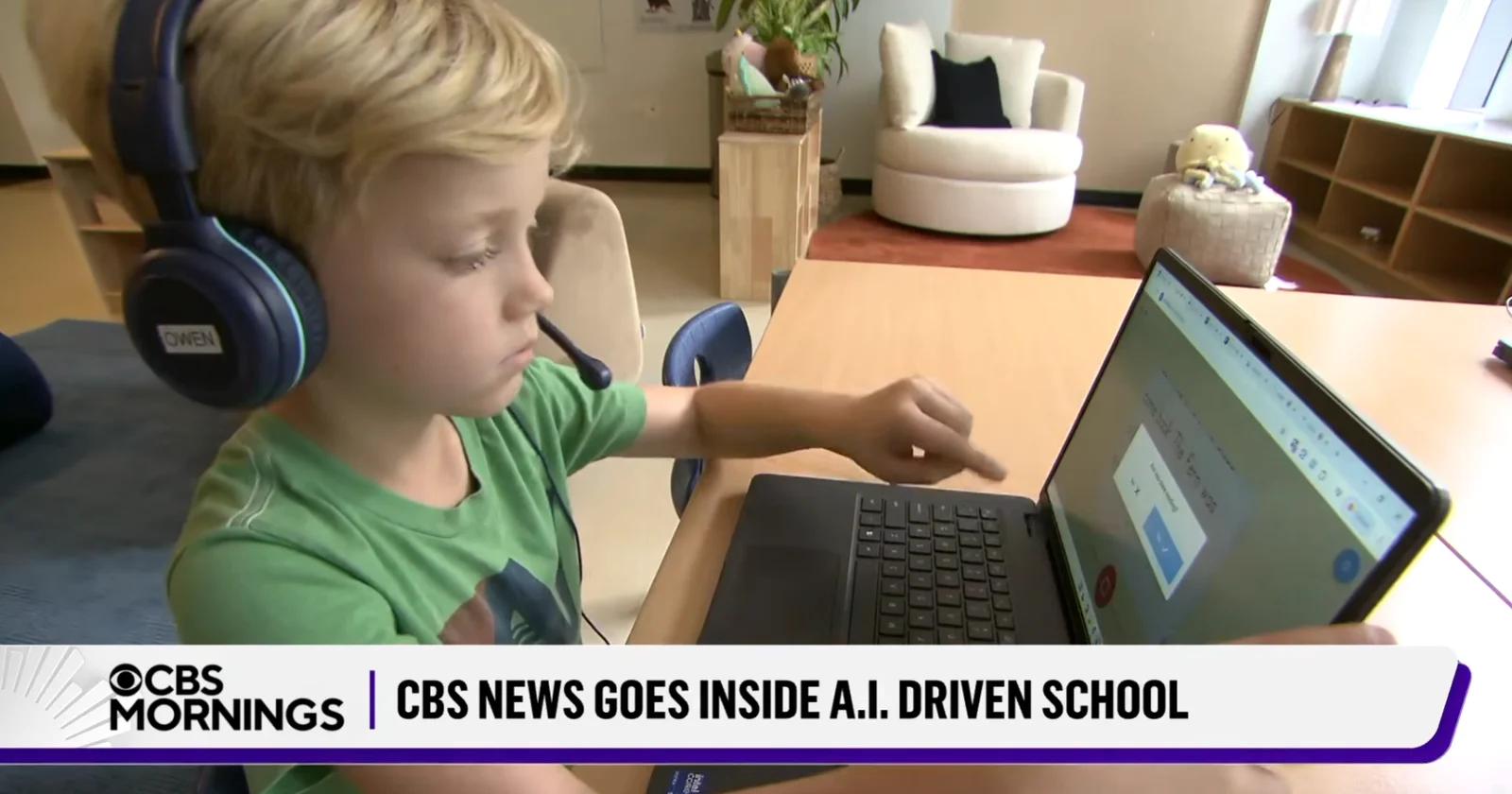

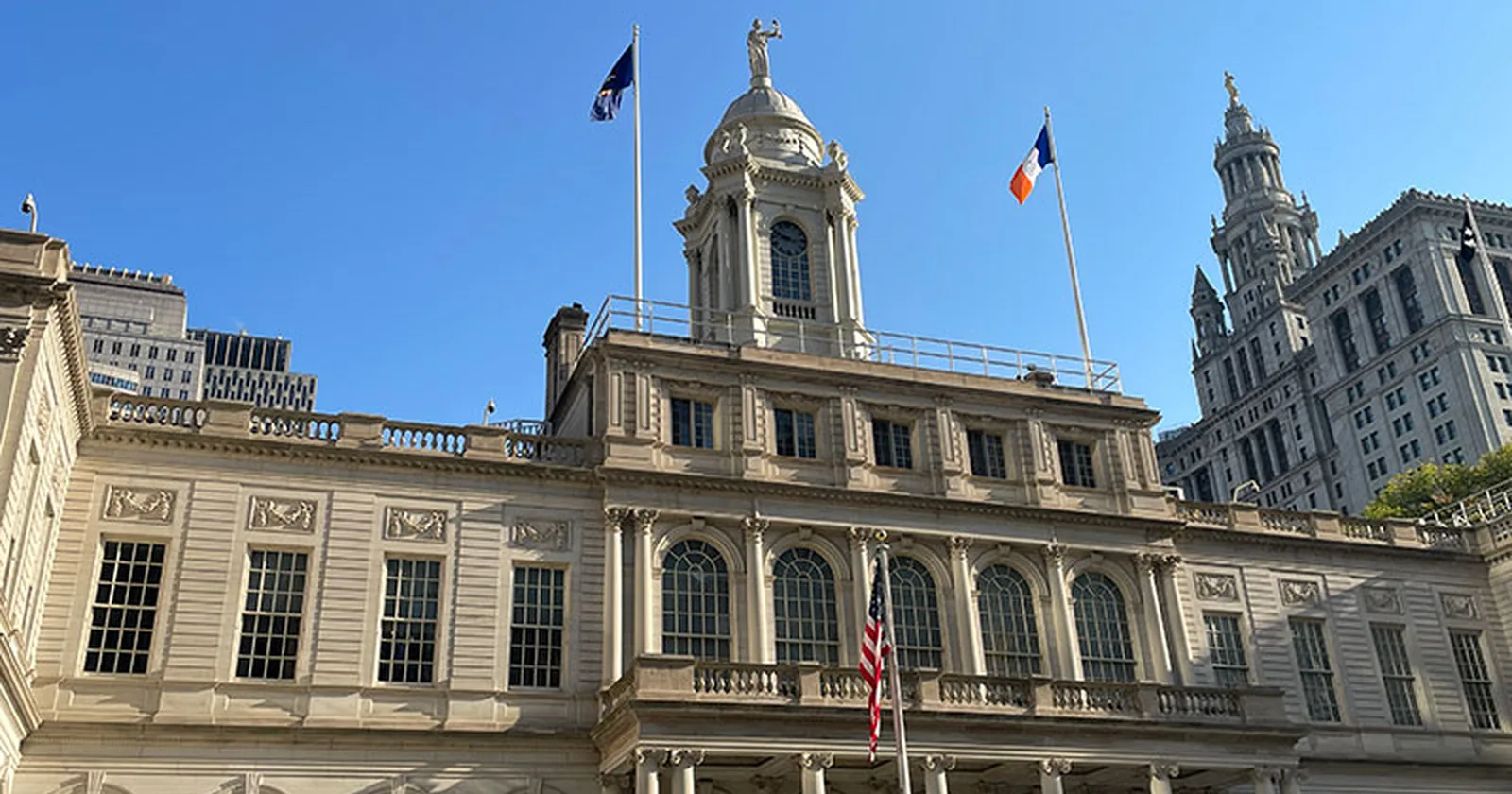
New York City, the largest public school system in the country, announced Wednesday a one-year moratorium on student-facing generative artificial intelligence for every child from 2-K through eighth grade, along with the first classroom screen-time limits in the system's history.
The policy covers roughly 600,000 students, about two-thirds of a system that enrolls more than 800,000 across nearly 1,550 district schools in our data. It takes effect for the 2026-27 school year, which begins in a little more than a week, and it reverses the direction the city was heading six months ago.
Mayor Zohran Mamdani framed it as a refusal, not just a pause. "The tech industry wants us to believe that A.I.-powered early education is not only inevitable, but necessary. We do not see it that way," he said. "That's why we're implementing a moratorium on generative AI for students in 2-K through 8th grade and spending the next year studying the impacts of this technology."
What the policy does
The center of it is the moratorium: no software that puts generative AI in front of a student from early childhood through middle school. One rule reaches further than that. Companion chatbots are prohibited across all grades, including high school.
For high schoolers, AI use is limited rather than outright banned. Every high school student will get two 45-minute AI literacy modules a year covering what AI is and is not, bias, risk, ethics, and effects on careers. Beyond that, the system will run five pilots, capped at 50,000 general-education students, about 5% of the student body, and no more than five classes per school, all under direct teacher supervision with tight time limits. The tools are named: Quill for English language arts, Edia for math coaching, Brisk Teaching for guided practice, Playlab for examining AI outputs for bias, and Intel AI-Ready Schools for semester-long community projects. Weekly use is capped at between 10 and 20 minutes for most of them.
The screen-time rules touch every classroom. Students in second grade and below will see restricted one-to-one device use, with recommended caps of 30 minutes a day in grades three through five and 45 minutes in grades six through eight. And every technology tool in the system will go through a review, with anything not judged mission-critical to learning barred, and vendors held to safety, transparency, and evidence-of-learning standards.
Exceptions are written in: assistive technology for students with disabilities, multilingual learners, and students in career readiness programs such as computer science. Teachers keep AI for planning and operational work, provided the tools meet system safety standards.
Chancellor Kamar Samuels put it in parental terms. "As Chancellor and as a parent, I believe our job is to protect what makes learning work, while ensuring every child has the critical thinking skills they need before graduating," he said, adding that the system is "standing firmly in our belief that innovation does not mean more technology."
How the city got here
In March the system was moving the other way. Draft guidance used a traffic-light framework, green for tasks like lesson planning and red for grading, and treated student use as something to manage. Parents, advocates, and a bipartisan group of City Council members objected that it ignored risks to student privacy and to cognitive development in young children.
Samuels conceded the draft "missed the mark," pulled the planned June release, promised a stricter approach for the youngest students, and told principals to stop buying educational software until the guidance was rewritten. Wednesday's policy is the result, and it lands closer to what critics asked for than most expected. The AI Moratorium for NYC Schools Coalition, a group of parents, teachers, and advocacy organizations, had pressed for a two-year moratorium on all AI in public schools; the city delivered one year, with high school pilots carved out.
City Council education chair Eric Dinowitz said it is "clear" the system is responding to families and advocates, while noting open questions about what screen time will look like in practice and how students and staff will be trained. A new Technology in Schools Coalition of students, educators, parent leaders, elected officials, union partners, and experts will assess the moratorium and pilots through the year and publish recommendations.
Why this one matters beyond New York City
New York City has been one of the most-watched testing grounds for classroom AI, which is what makes the reversal notable. Districts across the country have spent two years writing AI guidance that mostly amounts to permission with guardrails, like the state deadline that forced Maryland districts to adopt policies. New York's is the first large-system policy built on the premise that children below high school should not be using these tools at all, paired with the kind of screen-time caps Los Angeles adopted when it began limiting screens for more than 400,000 students.
The state is behind it. Gov. Kathy Hochul commended the move in the city's own announcement, and the state's largest teachers union passed a resolution in May calling for limits on both screen time and AI. New York also produced this year's most vivid cautionary tale, when a district near Buffalo paused a humanoid AI robot pilot after the state stepped in.
The national pattern is a sequence: phone bans first, then screen-time limits, now AI. Each step runs into the same objection, that the technology is already embedded in how schools deliver assignments, testing, and reading, which is why the exceptions for assistive technology and career programs are in the policy. Whether a system this size can hold a line through eighth grade for a full year, and what its coalition recommends at the end of it, is the question every other large district will be watching. For the evidence behind the caution, see our reporting on how AI search misinforms students and the larger question of whether AI will ever replace teachers.
Sources
NYC Mayor's Office: Mayor Mamdani and Chancellor Samuels Put Students First with Nation's Broadest Generative AI Moratorium in Schools
Chalkbeat: NYC to ban student AI tools in 2-K through 8th grade and limit classroom screen time
Politico: NYC school system to ban AI for elementary, middle school students
System enrollment figures from allk12's analysis of National Center for Education Statistics (NCES) data, 2024-25.