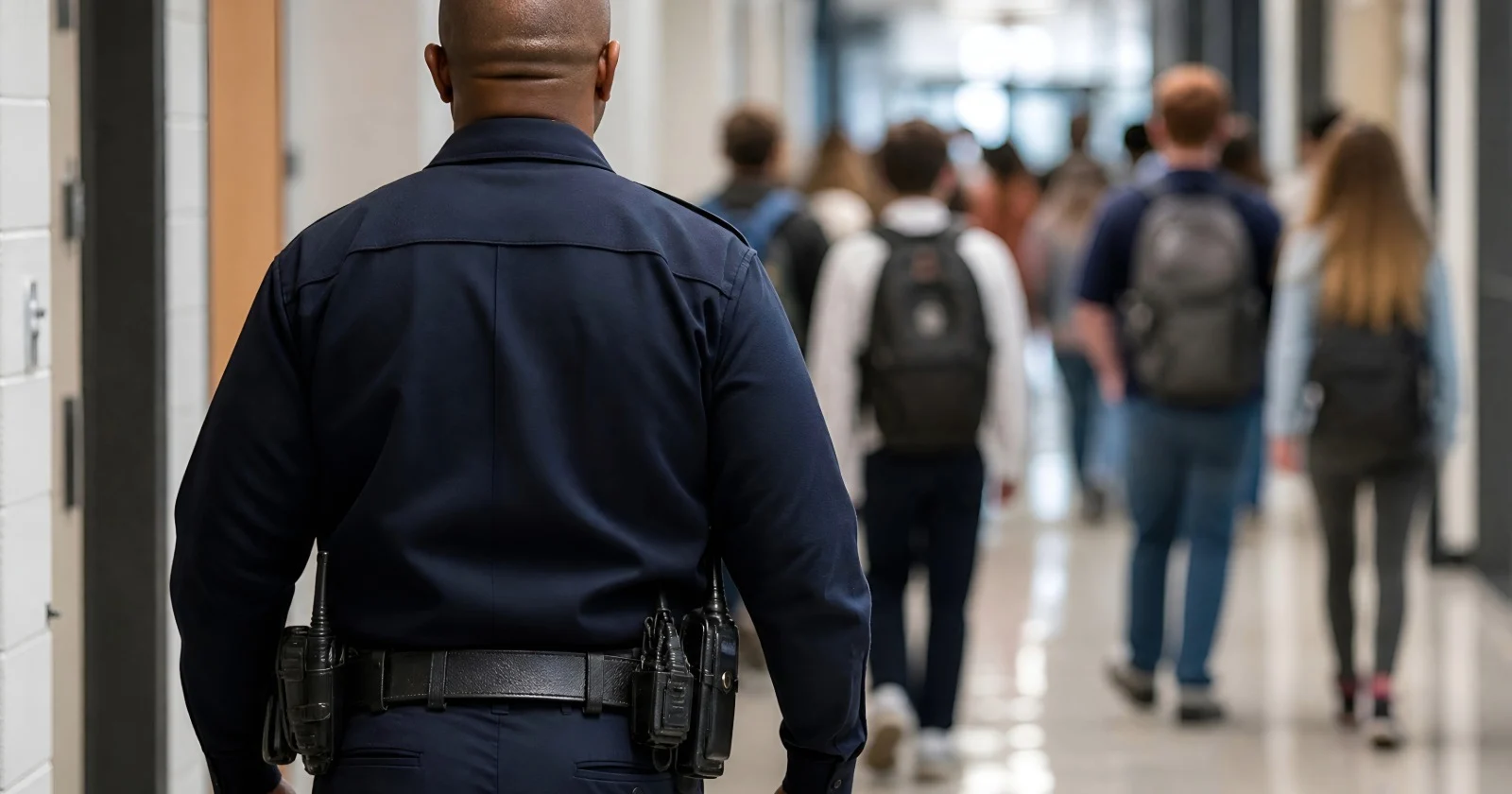




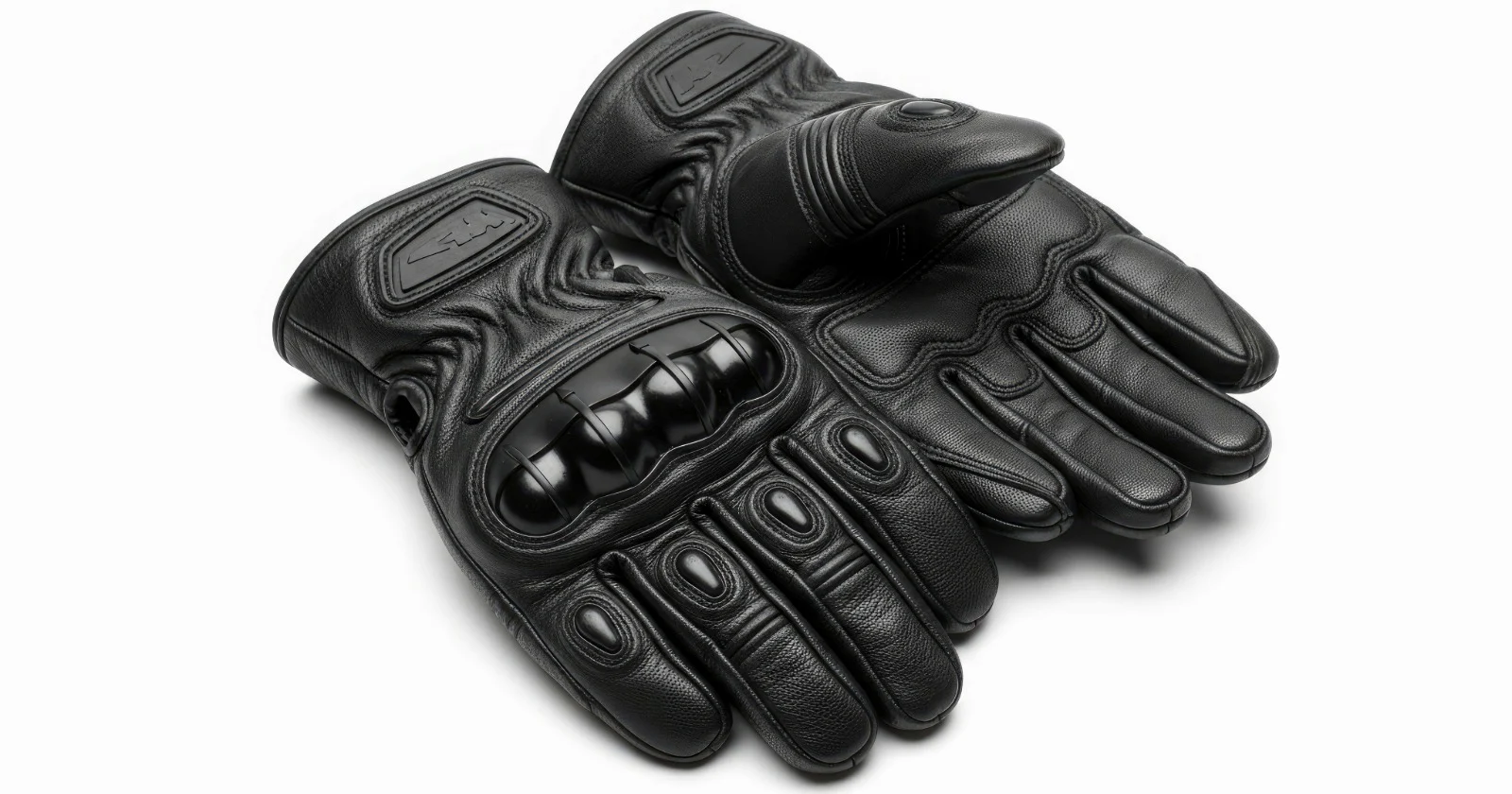
Police officers assigned to schools in Nebraska's largest district had been carrying gloves capable of delivering an electric shock to a student on contact. As of last week, they stopped.
Omaha Public Schools Superintendent Matthew Ray asked the police department on Aug. 18 to stop letting school resource officers carry the devices, and Omaha police agreed two days later. The district serves more than 52,500 students across 113 schools, according to federal data, and the change covers most of its middle and high schools.
The devices, formally called generated low output voltage emitters, work differently from a stun gun. An officer presses a button and must touch a person's bare skin, delivering a shock that causes pain and is meant to stop someone from resisting. They leave no burn or contact marks. Omaha police bought 40 pairs from Compliant Technologies LLC in 2025 for roughly $66,000, and most of the department's 34 school resource officers had been trained to use them. The gloves drew national scrutiny after the Associated Press reported that Immigration and Customs Enforcement planned to issue them to officers.
What happened at the board meeting
The reversal followed a public backlash. At an Aug. 17 school board meeting, about 30 people spoke against the practice. No one spoke in favor of it.
Nora Wessel, a senior at Omaha Central High School, told the board she could not imagine "walking down the hallway and seeing a peer of mine being electrocuted in a place that is supposed to be a safe space for students." The devices, she said, "create a barrier for our students to turn to resource officers when needed."
Ray said he had only learned about the gloves the previous week, though local station KETV found emails from 2023 in which Omaha police notified districts of the plan, and in which a district official indicated familiarity with the devices because Bellevue police already carried them at two Omaha schools. In his letter to the community, Ray said the district values its law enforcement partnerships and the role of school resource officers, but that continued use of the gloves "would be counterproductive to our work together."
Police defend the devices
The police department did not concede the underlying point. Mayor John Ewing Jr., who helped create the school resource officer program as an officer, said the department honored the district's decision to opt out. But in a joint statement, Ewing and Police Chief Todd Schmaderer said of the gloves: "We believe it is the safest use-of-force option in the rare times when it is used." Officers will continue carrying stun guns, batons, pepper spray, and firearms.
By the department's account, the gloves were used twice in Omaha schools during the 2025-26 school year. In one case an officer used a glove to stop a student from another school from fleeing after fighting with a security guard. In the other, police said a student at the district's center for special education students threw a chair at a security guard, striking the guard in the head, and punched the guard. Officers were expected to give a warning first, then maintain contact for up to 15 seconds.
Ken Trump, president of National School Safety and Security Services, said districts should settle hard questions before allowing such technology into schools: how officers will respond to students with disabilities or medical conditions, how parents are notified, and exactly when the devices may be used. "Less than lethal doesn't mean low risk," he said.
The neighboring districts are split
Omaha's decision does not settle the question across the metro area, because school resource officers cross district lines. Bellevue police, who patrol two Omaha schools along with the Bellevue district's 21 schools and roughly 9,500 students, will keep carrying the gloves, which they have had for more than three years and used twice.
Bellevue Police Chief Ken Clary was blunt. "I am not comfortable having our officers give up a tool that has repeatedly proven to be safe, effective and less harmful than the alternatives," he said, adding that the devices sometimes prompt cooperation on sight without being fired at all. Bellevue schools spokesperson Amanda Oliver said the district has a strong relationship with its police department and sees no reason to change: "for us right now, no changes are being made."
Three other large metro districts patrolled in part by Omaha officers, Millard, Elkhorn, and Westside, together enrolling more than 41,000 students, had not acted as of the report and did not respond to messages from the AP. The result is that whether a Nebraska student can be shocked by an officer in a school hallway now depends on which district's boundary their building sits inside.
The dispute is a sharper version of a debate playing out nationally over how much security hardware belongs in schools, from surveillance systems to the pepper-spraying drones being marketed for active shooter response. It also touches the older question of what role armed officers should play in student discipline at all, an issue we cover in our look at how families can press these questions at a school board meeting.
Sources
The Guardian: Nebraska school district asks police to stop using shock gloves on students
Reporting originally by the Associated Press. District enrollment figures from allk12's analysis of National Center for Education Statistics (NCES) data, 2024-25.