



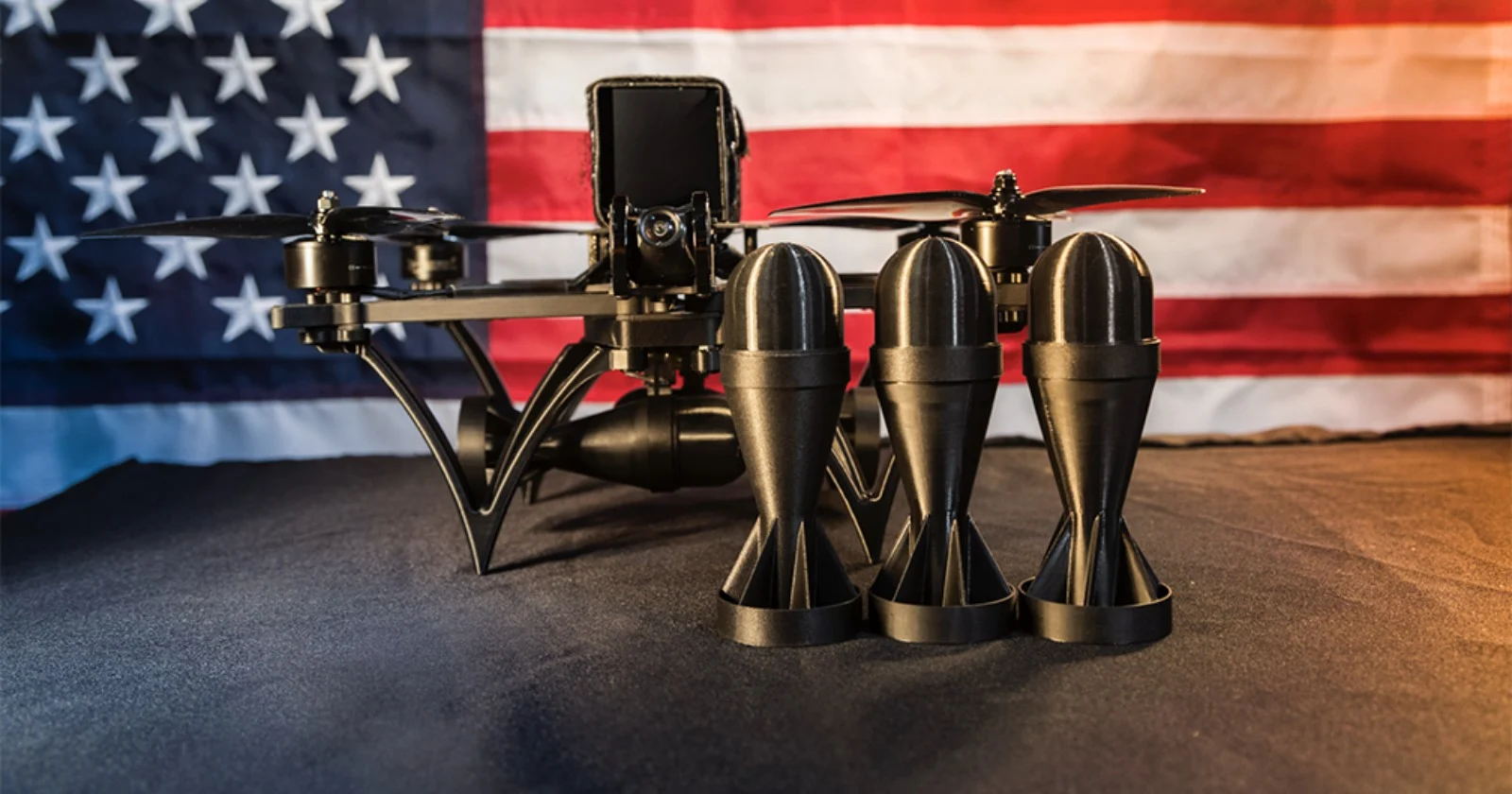
At least nine schools in three states are installing drones this year that a teacher can send after an active shooter. The drones can fly through hallways, break windows, spray pepper gel, and hit a person at 60 mph.
Three of the schools are in Florida, five in Georgia, and one in Colorado, according to The Washington Post. The aircraft are plastic and nonlethal, made by an Austin company called Mithril Defense, and they sit in storage boxes inside the building. The company says one can reach a shooter within 15 seconds. Besides ramming, they are built to distract an attacker with strobe lights, sirens, and pepper gel.
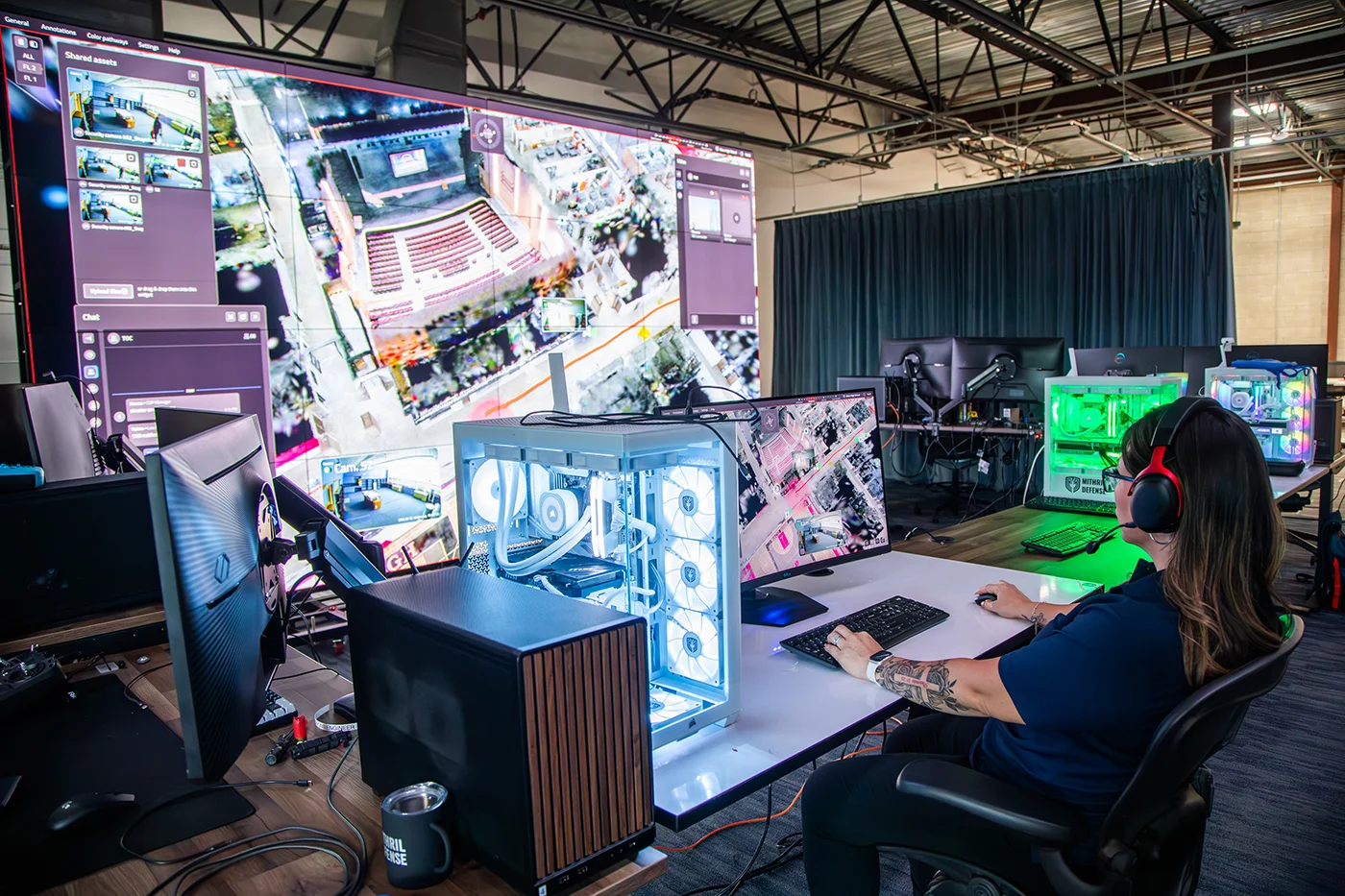
Teachers set them off using an app or a panic button in the classroom. From there, pilots who work for Mithril fly them remotely. The systems have been run in simulations and none has been used in an actual shooting.
Where they are going
Deltona High School, north of Orlando, was the first to install one at the end of last school year. Florida legislators picked two more schools for the $557,000 pilot: Boyd H. Anderson High School near Fort Lauderdale and Godby High School in Tallahassee.
Those three schools enroll about 5,360 students between them, according to federal enrollment data. That works out to roughly $104 per student for the first year of the Florida program. The state has since approved another $564,000 for the coming year.
Georgia lawmakers approved a similar pilot of about $500,000. The state has not said which five schools will take part. State Rep. Matt Dubnik, a Republican who chairs the House appropriations education subcommittee, told the Post the technology could help schools that have no resource officer, and said the pilot will run in schools with and without one.
In Colorado, John Adams Academy, a public charter school serving kindergarten through 12th grade in Sterling Ranch, is paying for its own system.
Why the company built them
Mithril founder and CEO Justin Marston told the Post the idea came from Uvalde, Texas, where a gunman killed 19 students and two teachers in 2022 while police waited more than an hour to go into the classroom. He said watching Russian and Ukrainian forces use cheap drones against each other made him think a nonlethal version could have helped there.
His argument is about timing. "The first 120 seconds are incredibly critical," Marston said, because that is when most of the shooting happens.
He said the drones are meant for situations that could turn deadly, not for ordinary trouble. A schoolyard fight would not trigger them. A student pulling a knife could.
What critics say
School security consultants have spent years arguing that cheap measures work about as well as expensive ones, and that locking the outside doors does more than most technology a district can buy.
Curtis Lavarello, who runs the School Safety Advocacy Council, told the Post he worries a drone could go after a student running away instead of the shooter, or that a remote pilot making a split-second call could mistake a police officer for the attacker, especially if a teacher set off a false alarm. "I have some really serious reservations about the deployment of drones in schools," he said.
This is not the first attempt. In 2022, Axon Enterprise stopped developing taser-armed drones after most of its ethics board resigned over concerns the devices could shock innocent students or be taken over by hackers.
Jaclyn Corin, who survived the 2018 shooting at Marjory Stoneman Douglas High School in Parkland that killed 17 people, said she would rather see districts spend on preventing shootings than reacting to them. She co-founded March for Our Lives and now runs it, and she pointed out that school budgets and attention are both limited.
What happens next
Florida plans to track violent incidents at the three schools and measure how fast threats get a response. The state will also survey parents, students and staff about whether they feel safer.
One Atlanta-area parent told the Post she learned from a local TV story that her child's school had been approached about hosting the drones, and that district officials do not have firm plans yet. She said she is not sure the drones will work but is willing to let them try.
Nearly 400,000 American students have experienced gun violence at school since Columbine in 1999, across 435 shootings, according to a Washington Post tracker. School security has grown into a multibillion-dollar business in that time, selling everything from AI-powered cameras to weapons detectors. The drones are the newest thing on the list, and the first school year with them in the building starts now.
Sources
The Washington Post: Schools are adding pepper-spraying drones to help combat active shooters
allk12 analysis of National Center for Education Statistics (NCES) enrollment data for the three Florida schools.