


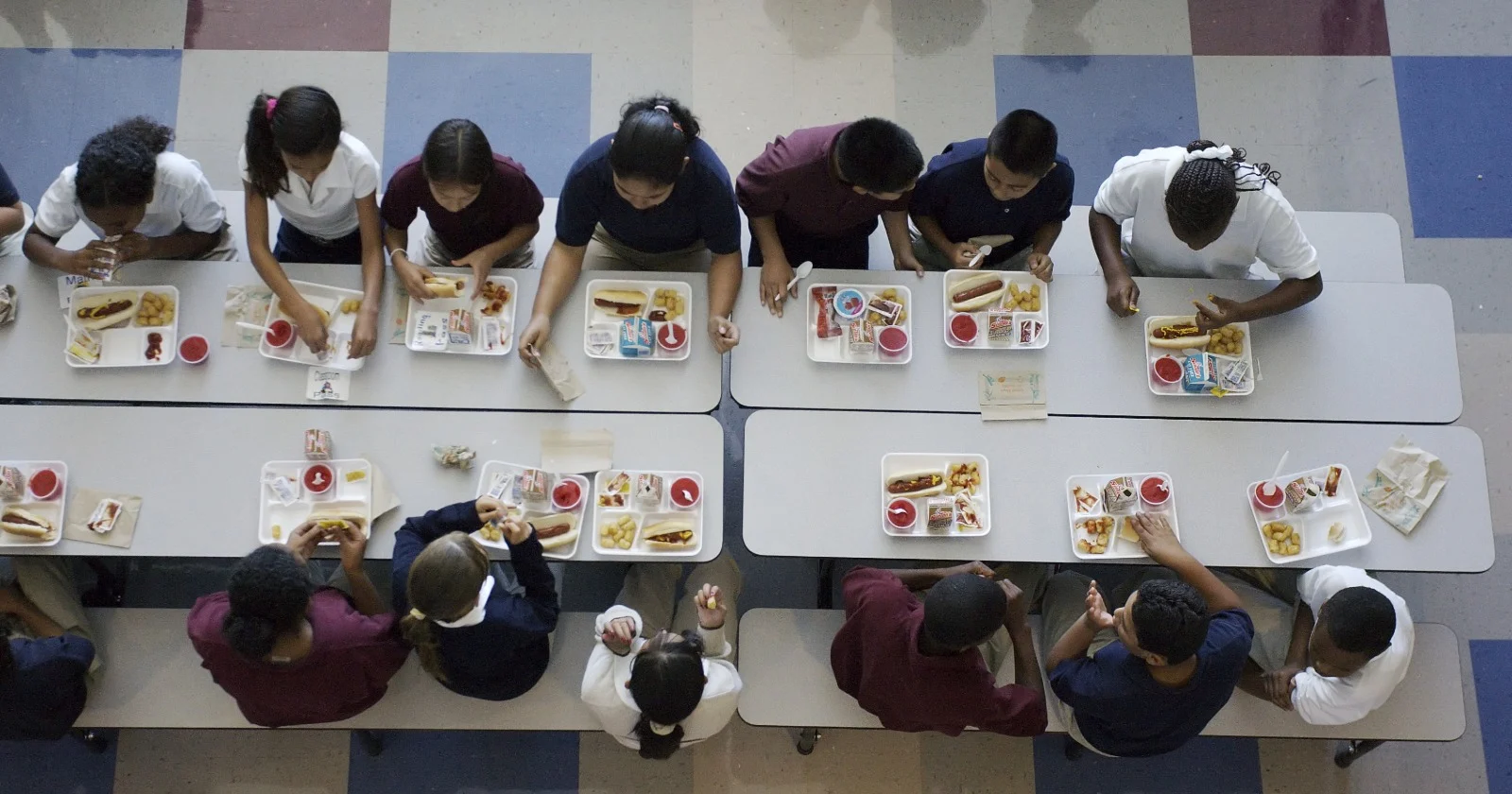
California schools have until July 1, 2029, to start phasing out ultra-processed foods under a new state law. The people who run school cafeterias in the San Joaquin Valley say getting there will be hard, according to a Stanford Medicine study published September 28 in the journal Public Health Nutrition.
Researchers interviewed food service directors from 20 school districts in the valley and asked them to rate the barriers they expect. Budget constraints, limited staff, trouble buying the right food, and inadequate kitchens topped the list.
"It's easy to say, 'Let's remove ultra-processed foods from school meals,' but school districts will likely face many challenges in implementing this policy," said Anisha Patel, a professor of pediatrics at Stanford Medicine and the study's senior author.
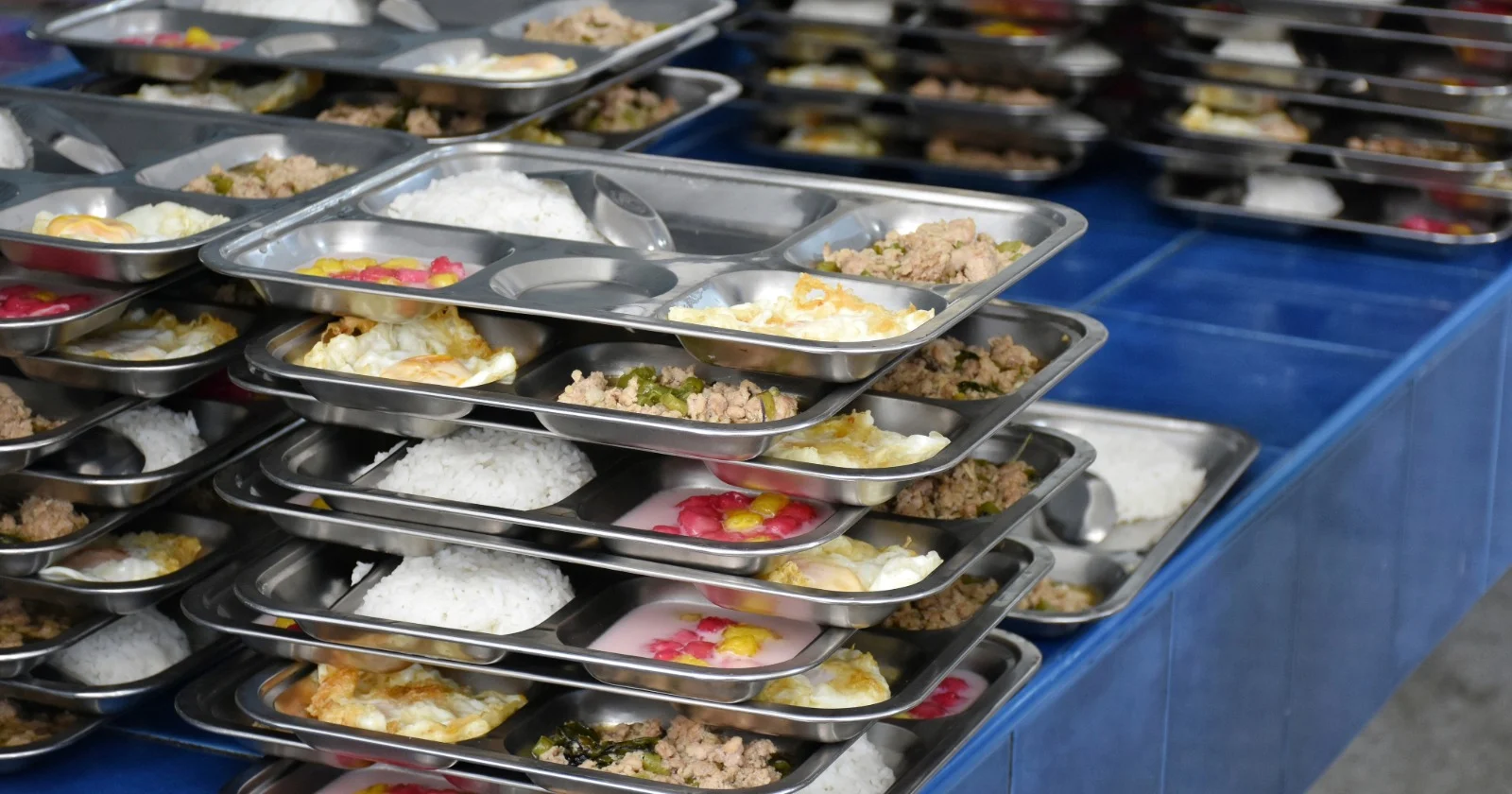
The law, AB 1264, also called the Real Food, Healthy Kids Act, sets the timeline in three steps. Schools must begin phasing out what it calls restricted school foods and ultraprocessed foods of concern by July 1, 2029. Starting July 1, 2032, vendors cannot offer those foods to schools. Starting July 1, 2035, school breakfasts and lunches cannot include them. The law spells out its own definition, including a list of banned additives and nutrient limits. Stanford gave heat-and-serve foods, flavored yogurt, frozen pizza, and breakfast cereals as common examples of ultra-processed items on school menus today.
The San Joaquin Valley is an agricultural region with many low-income families whose children depend on school meals, the researchers said. In the eight valley counties, from San Joaquin south to Kern, 74.7% of public school students were eligible for free or reduced-price lunch in 2024-25, compared with 63.1% statewide, according to allk12's analysis of federal data. Those counties enroll 859,698 students in 1,452 schools.
"For many California children, two of the three meals they eat per day come from their schools," said Andrea Pedroza-Tobias, the study's lead author, who was an instructor in pediatrics at Stanford when the research was done and is now an assistant professor-in-residence at the University of California, Irvine.
Money is the first problem. Ultra-processed foods are cheap and easy to heat and serve with little equipment. California already provides free meals to every public school student, and federal and state funding reimburse districts about $4.60 per lunch served. Pedroza-Tobias said universal meals raised participation and brought more money into food service programs, but less-processed items will cost more and likely outpace existing budgets.
Amanda Harvey, director of nutrition services for Fresno Unified, ran into that when her team took food dyes off the menu. Pickles made without green dye were hard to find. "They're pricey for pickles, and it can be quite challenging for our vendor to get them," she said. "So sometimes we have a shortage of pickles because of this food dye." Fresno Unified enrolls 67,873 students, and 86.6% are eligible for free or reduced-price lunch.
One common way districts save money could also work against them. Schools can buy low-cost commodity foods such as raw chicken through the U.S. Department of Agriculture and send them to a processor in exchange for items like chicken nuggets. Pedroza-Tobias said the practice helps schools without full kitchens but "can inadvertently increase the amount of ultra-processed food on the menu."
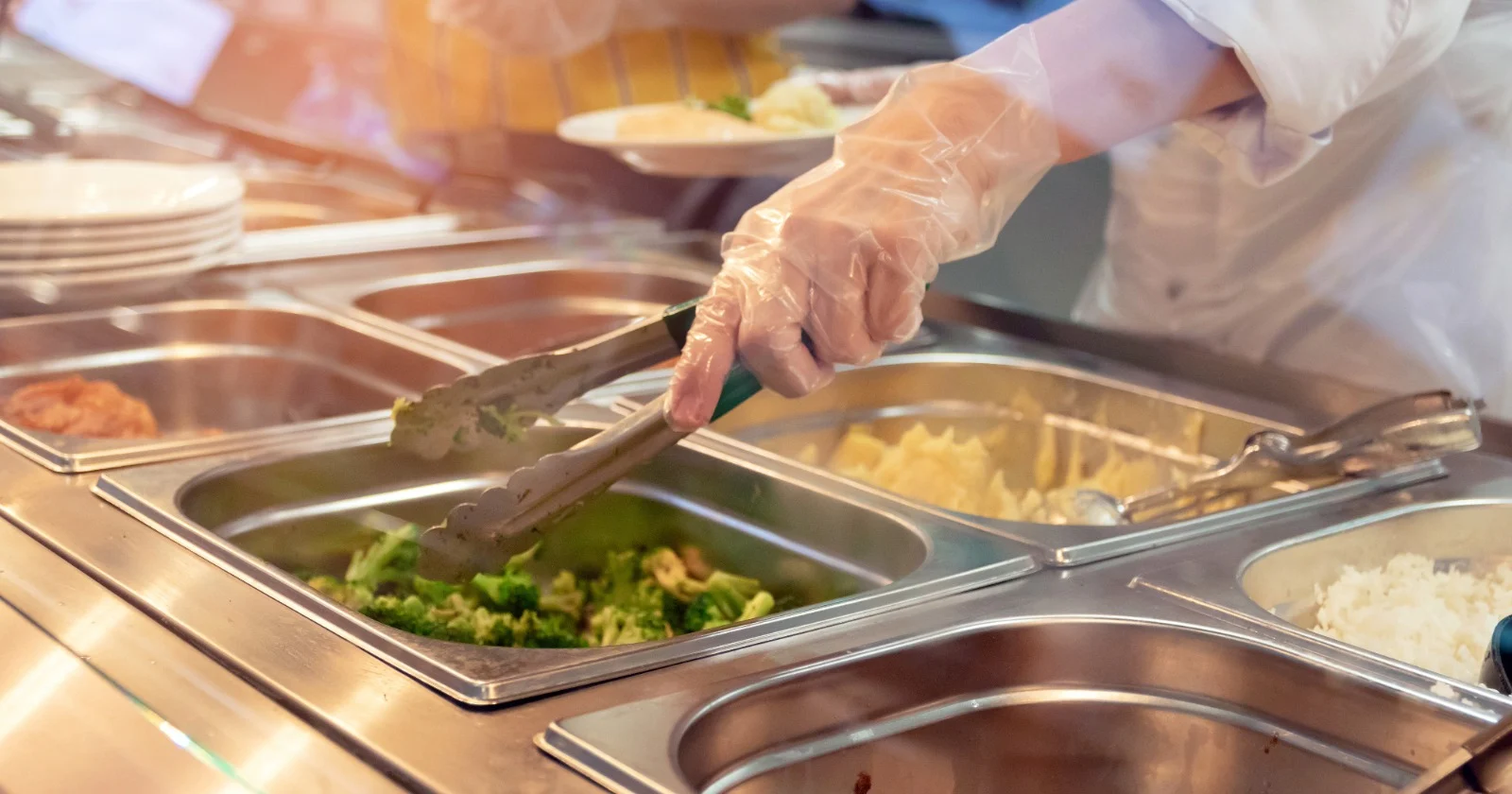
Staff and buildings are the other hurdles. Many schools rely on part-time workers trained to heat and serve, and moving to scratch cooking takes more time and more paid hours. Harvey's team looked at making sandwiches from scratch at some elementary schools with heat-and-serve kitchens, but the local health department said the kitchens did not meet permitting standards. "They said, 'In order to get these 50 schools permitted, you would need to add new sinks, drains and hoods,'" she said. That would have cost millions from district infrastructure funds, so Fresno makes the sandwiches at its central kitchen instead. Smaller districts may not have one.
Some districts have filled gaps with grants, but directors said one-year money makes lasting changes hard, and smaller districts have fewer staff to write applications. One district in the study now makes most of its food from scratch, helped by a food service director who is a chef with a nutrition background and by a junior chef contest in which some student recipes were picked to cook in the school kitchen.
California is not alone. Several other states are weighing similar bills, and the U.S. Department of Health and Human Services recently announced a $32.5 million initiative to help districts test ways to serve healthier food, according to Stanford. California is also one of the states that pays for free school meals for every student.
"Moving from ultra-processed food to scratch cooking requires an upfront investment, but healthier school meals can pay off in the long term by preventing health care costs associated with diseases such as obesity, Type 2 diabetes and cardiovascular disease," Patel said.
Sources
Stanford Medicine: Cutting ultra-processed food from school menus will be tricky, Stanford Medicine study finds
California Legislative Information: AB 1264, Real Food, Healthy Kids Act
Enrollment and free or reduced-price lunch figures from allk12's analysis of National Center for Education Statistics (NCES) Common Core of Data, 2024-25. Valley counties: San Joaquin, Stanislaus, Merced, Madera, Fresno, Kings, Tulare, and Kern.