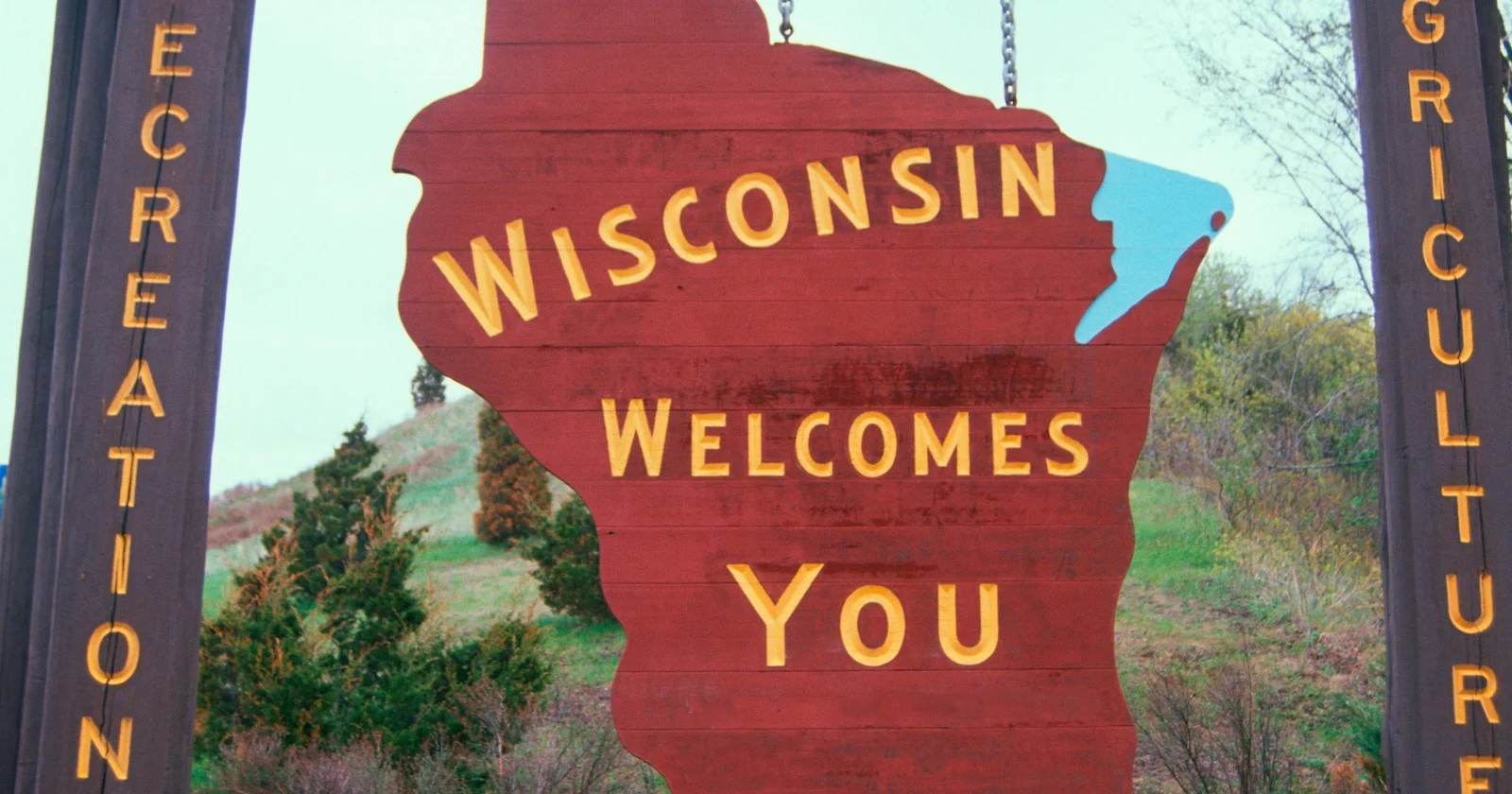
Wisconsin enrolled a record 12,141 high school juniors and seniors in its Youth Apprenticeship program during the 2025-26 school year, according to Gov. Tony Evers and the Wisconsin Department of Workforce Development (DWD). That was a 7 percent increase over the prior year and the fifth record in a row. The students worked for a record 8,105 employers.
Those students don't appear in the Labor Department's apprentice database. Wisconsin's program and Georgia's youth program are not registered with the federal or state apprenticeship system, so their students are left out of that database, according to a 2023 report the Urban Institute wrote for the department.
That gap makes high school apprentices look rare. In 2021, only 538 people were 16 when they registered as apprentices, and 1,820 were 17, the Urban Institute found. People ages 16 to 18 made up 2.7 percent of all apprentices who registered that year. By comparison, apprentices ages 16 to 24 made up 30 to 40 percent of registrations in any given year. As of that report, there was no national definition of youth apprenticeship.
Executive Order 14278, signed April 23, 2025, ordered the Labor, Commerce, and Education secretaries to deliver a plan to "reach and surpass 1 million new active apprentices." The order does not mention high school students. On May 1, 2026, the Future Ready Apprenticeship Center, a youth apprenticeship hub paid for with $12.5 million in Labor Department funds and run by the nonprofit CareerWise with the Colorado Department of Labor and Employment, named 10 states to its Apprenticeship America cohort. Each gets $200,000. "America's one millionth apprentice is probably right now just starting high school," said Brent Parton, CEO of CareerWise.
How the four program types differ
Registered apprenticeship follows federal standards in 29 CFR 29.5. A time-based program requires at least 2,000 hours of on-the-job learning. The rules recommend at least 144 hours of related classroom instruction per year, require a wage schedule that rises as the apprentice gains skill, and set the starting age at 16 or older.
Youth apprenticeship is a broader label. The Labor Department describes it as programs for ages 16 to 24 that combine classroom instruction with paid work. Some are registered and some are not. Students under 18 sign an apprenticeship agreement along with their employer and a parent or guardian, according to the department's youth apprenticeship fact sheet. The courses they take count toward high school graduation, the fact sheet says.
Pre-apprenticeship prepares students to enter an apprenticeship later. Kentucky's TRACK program (Tech Ready Apprentices for Careers in Kentucky), run by the state education department and the Kentucky Office of Apprenticeship, offers five pre-apprenticeship tracks: carpentry, electrical, heavy equipment, masonry, and welding. Students earn a nationally recognized credential at little or no cost, the department says.
Career and technical education (CTE) is regular high school coursework in career fields. Georgia's and Maryland's youth apprenticeship programs draw on their state CTE systems, the Urban Institute report says. Georgia also requires a student to earn at least one credit in a related career pathway before starting a job placement, under State Board of Education rules.
Age limits come from federal child labor law. The Fair Labor Standards Act sets an 18-year minimum age for 17 categories of nonfarm work the Labor Department has declared hazardous, called Hazardous Occupations Orders. Apprentices and student-learners who are at least 16 get a limited exemption from seven of them (orders 5, 8, 10, 12, 14, 16, and 17), according to DOL Fact Sheet #43. Under 29 CFR 570.50, that hazardous work must be incidental to training, intermittent, and brief, and closely supervised by a journeyworker. Federal law sets no hours limit for 16- and 17-year-olds outside those jobs.
State programs and who pays
States count youth apprentices in different ways and in different years, so the figures below are not directly comparable.
| State | Program | Registered? | Work requirement | Latest published count |
|---|---|---|---|---|
| Wisconsin | Youth Apprenticeship (DWD) | No | 450 hours (1 year) or 900 hours (2 years) | 12,141 students, 2025-26 |
| Georgia | Youth Apprenticeship Program (state education department) | No | 720 hours for a completer certificate | Over 3,000 students, 2017 |
| North Carolina | ApprenticeshipNC youth programs | Yes | 6,400 hours on the job, 1,600 hours of instruction | 1,082 in youth programs, 2021 |
| South Carolina | Apprenticeship Carolina | Yes | Set by each registered program | 242 of 1,089 registered programs were youth programs, 2020 |
| Colorado and other states | CareerWise | Some | 3 years, starting junior year | 2,500+ high school-age apprentices nationwide, 2026 |
| Kentucky | TRACK | Pre-apprenticeship | Five trade tracks | No count published |
Sources: Wisconsin Office of the Governor and DWD (2026); Georgia State Board of Education Rule 160-4-3-.13; Urban Institute for the U.S. Department of Labor (2023), for Georgia, North Carolina, South Carolina, and Colorado program details; CareerWise (2026); Kentucky Department of Education.
Wisconsin's 12,141 youth apprentices equal about 9.2 percent of the 132,032 juniors and seniors enrolled in the state's public schools in fall 2024 (12,141 divided by 132,032), according to allk12's analysis of federal enrollment data. That is roughly 1 in 11. More than 99 percent of Wisconsin districts with a high school offered the program in 2025-26, the governor's office said. Health science drew the most students (2,189), followed by marketing (1,571) and manufacturing (1,568).
Among states reporting to the federal database, North Carolina had the most apprentices in registered youth programs in 2021 (1,082), followed by Connecticut (853) and Virginia (632), according to the Urban Institute. Georgia's program served more than 3,000 students in 2017 but did not appear near the top of that list because it is unregistered.
Employers pay the wages. Wisconsin employers pay minimum wage or higher and provide at least 450 hours of mentored work per year, according to a DWD brochure. Wisconsin's 2025-27 budget included more than $6 million for youth apprenticeship. Georgia awards competitive grants to school districts and consortia, and each funded program must have a youth apprenticeship coordinator. South Carolina gives employers an income tax credit for each registered apprentice, equal to the cost of the apprenticeship or $1,000, whichever is greater, capped at $6,000 for the youth apprenticeship program, under state law. Total credits statewide can't exceed $5 million in a tax year.
Programs tie the work to school credit. Wisconsin students earn high school and potentially college credit and receive a Certificate of Occupational Proficiency, according to DWD. CareerWise Colorado students finish with a diploma, an industry credential, and the chance to earn up to a semester of college credit for free, the Urban Institute reported. In South Carolina, Apprenticeship Carolina makes high school graduation a program requirement.
Some youth apprentices go on to adult apprenticeships. The share of Wisconsin youth apprentices who became registered apprentices rose from 8.7 percent in state fiscal year 2021 to 15 percent in fiscal 2026, according to the governor's office.
Sources
Wisconsin Office of the Governor: Gov. Evers, DWD Kick Off National Apprenticeship Week (April 27, 2026)
Wisconsin Department of Workforce Development: Youth Apprenticeship brochure
Urban Institute for the U.S. Department of Labor: Youth Apprenticeship in the United States (January 2023)
U.S. Department of Labor: Discover Youth Apprenticeship fact sheet
Federal Register: Executive Order 14278, Preparing Americans for High-Paying Skilled Trade Jobs of the Future
U.S. Department of Labor: National Apprenticeship Week 2026 Report
CareerWise: Future Ready Apprenticeship Center Announces Apprenticeship America States (May 1, 2026)
U.S. Department of Labor: Fact Sheet #43, Child Labor Provisions for Nonagricultural Occupations
29 CFR 570.50: Exemptions for apprentices and student-learners
29 CFR 29.5: Standards of apprenticeship
Georgia State Board of Education: Rule 160-4-3-.13, Youth Apprenticeship Programs
South Carolina Code of Laws: Section 12-6-3477, Apprentice income tax credit
Apprenticeship Carolina: Youth Apprenticeship
Kentucky Department of Education: TRACK
Junior and senior enrollment from allk12's analysis of National Center for Education Statistics (NCES) Common Core of Data, 2024-25.